
Google Commits €13 Billion to Finland for Data Center and Nuclear Energy Expansion
The tech giant is securing long-term nuclear power capacity to fuel its European AI infrastructure ambitions.
By TechVaultHub Staff · · Updated September 9, 2026
Google has announced a €13 billion investment to expand its Finnish data center footprint and secure a significant portion of the Loviisa nuclear power plant's electricity output. This strategic move aims to provide the stable, low-carbon energy required to support the company’s escalating artificial intelligence and cloud service demands.
The Scale of Infrastructure Expansion
Google’s multi-billion euro investment marks its largest single capital commitment within Europe, aimed at bolstering its presence in the region’s data economy. The plan involves the construction of three entirely new data center facilities situated in Kajaani, Muhos, and Vaala, alongside a major expansion of the existing Hamina site. The Hamina facility, which has been operational since 2009, was originally retrofitted from a former paper mill, illustrating the company's long-standing history of repurposing Finnish industrial infrastructure. This massive build-out is intended to scale up compute capacity to support core products such as Gemini, Google Search, Maps, and YouTube, which currently face increasing pressure from the global AI-driven computing boom. Construction activities are slated to occur between 2027 and 2028.
Energy Security and Nuclear Strategy
A centerpiece of the deal is a long-term partnership with the Finnish utility firm Fortum, securing up to 50% of the electricity produced by the Loviisa nuclear power plant for the next 22 years. This move highlights the growing trend of hyperscalers moving beyond standard renewable energy procurement to lock in consistent, carbon-free baseload power. Currently, the Loviisa facility provides roughly 10% of Finland’s total electricity supply. By partnering with Fortum, Google is effectively providing the financial stability required for the utility to pursue life-extension programs and capacity upgrades for the nuclear station. This strategic move ensures that Google’s expanding server farms remain powered by reliable energy, mitigating the risks associated with grid instability during the intensive scaling of their artificial intelligence services.
Finland as a Strategic Data Hub
Finland has become a premier destination for global technology companies looking to house energy-intensive hardware. The region offers a unique combination of a cool climate, which naturally facilitates the cooling of densely packed server racks, and a highly stable, uncongested power grid. Furthermore, the country possesses a favorable blend of low-carbon energy sources that help corporations meet their net-zero operational targets. Google is not the only company recognizing these benefits; other global players have recently sought to establish operations there, including TikTok, which announced a $1 billion investment in a new facility in Kouvola. Local officials cite Finland’s strong digital infrastructure, data governance standards, and availability of skilled tech talent as core catalysts for this influx of corporate investment.
Economic and Local Impact
Beyond the technical infrastructure, the investment is projected to yield significant economic dividends for Finland. Google anticipates that the expansion will support over 37,000 jobs throughout the construction phase and contribute approximately €3.6 billion annually to the national GDP. The agreement also includes commitments to broader societal benefits, including funding for community education, research initiatives, and workforce development programs. Additionally, Google has pledged to support local biodiversity through dedicated funds. Government officials, including Prime Minister Petteri Orpo, have publicly welcomed the deal, emphasizing that the value of this partnership extends well beyond direct capital spending, fostering an ecosystem of innovation and R&D that promises long-term growth for both the Finnish economy and the Alphabet parent company.
The case for
Supporters, including Finnish leadership and Google representatives, point to the economic stimulation, job creation, and the advancement of sustainable, low-carbon AI infrastructure as key benefits.
Concerns
While the deal offers growth, the broader industry context suggests increasing competition for regional energy resources as tech giants race to secure the power supplies needed for AI-driven data center expansion.
What's next
Google is scheduled to commence construction on its new facilities throughout 2027 and 2028. Following this expansion, the company will integrate the new capacity with its global infrastructure network to support the continued scaling of its AI-powered services.
FAQs
How long is the nuclear power contract?
Google has signed a 22-year agreement with the Finnish utility firm Fortum. This contract allows Google to purchase up to 50% of the electricity output from the Loviisa nuclear power plant.
What specifically will this investment fund?
The investment covers the construction of three new data centers in Kajaani, Muhos, and Vaala, as well as the expansion of the existing facility in Hamina. It also supports local community funds for education, research, and biodiversity.
Why did Google choose Finland for this expansion?
Finland was selected for its naturally cool climate which aids server cooling, its clean and abundant energy mix, and its relatively uncongested power grid. These factors make the location ideal for energy-heavy AI and cloud computing infrastructure.
What is the expected economic impact on Finland?
Google expects the construction phase to support over 37,000 jobs. Furthermore, the company anticipates the development will boost Finland's GDP by approximately €3.6 billion per year.
Sources
More news
 European Commission Accuses TikTok of Violating Digital Services Act Over Minor Safety
Regulatory officials cite concerns regarding default privacy settings and content recomme…
Apple Patches macOS Screen Sharing Vulnerability Under Active Exploitation
A high-severity flaw in macOS remote access tools is being used to install crypto miners …
European Commission Accuses TikTok of Violating Digital Services Act Over Minor Safety
Regulatory officials cite concerns regarding default privacy settings and content recomme…
Apple Patches macOS Screen Sharing Vulnerability Under Active Exploitation
A high-severity flaw in macOS remote access tools is being used to install crypto miners …
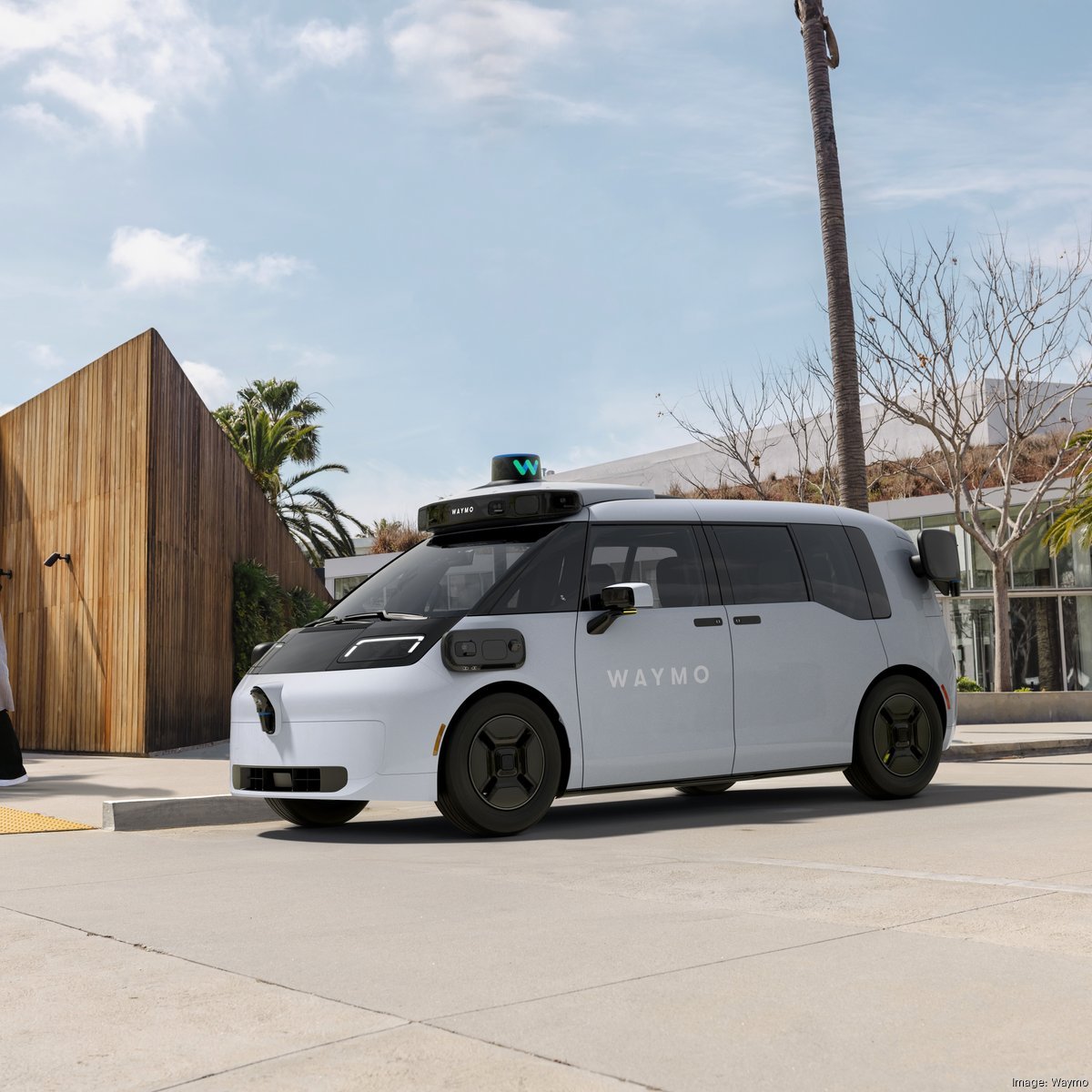 Waymo Expands Ojai Robotaxi Availability to All Riders in Three Major Cities
The Alphabet-owned autonomous vehicle company is transitioning from its legacy Jaguar fle…
Stripe and Advent International reportedly in renewed negotiations to acquire PayPal
Fintech giants explore a potential $53 billion-plus acquisition as PayPal's leadership at…
Waymo Expands Ojai Robotaxi Availability to All Riders in Three Major Cities
The Alphabet-owned autonomous vehicle company is transitioning from its legacy Jaguar fle…
Stripe and Advent International reportedly in renewed negotiations to acquire PayPal
Fintech giants explore a potential $53 billion-plus acquisition as PayPal's leadership at…