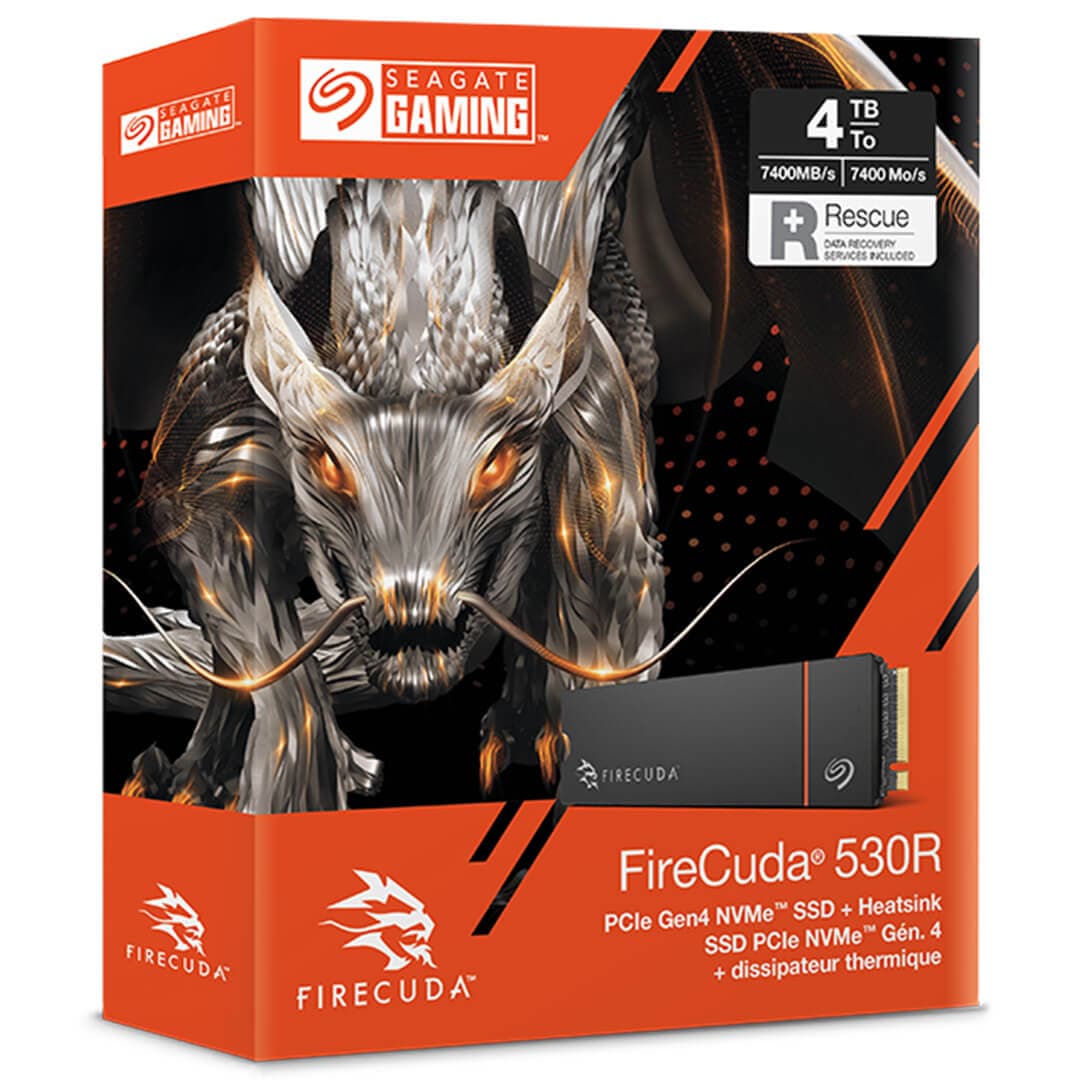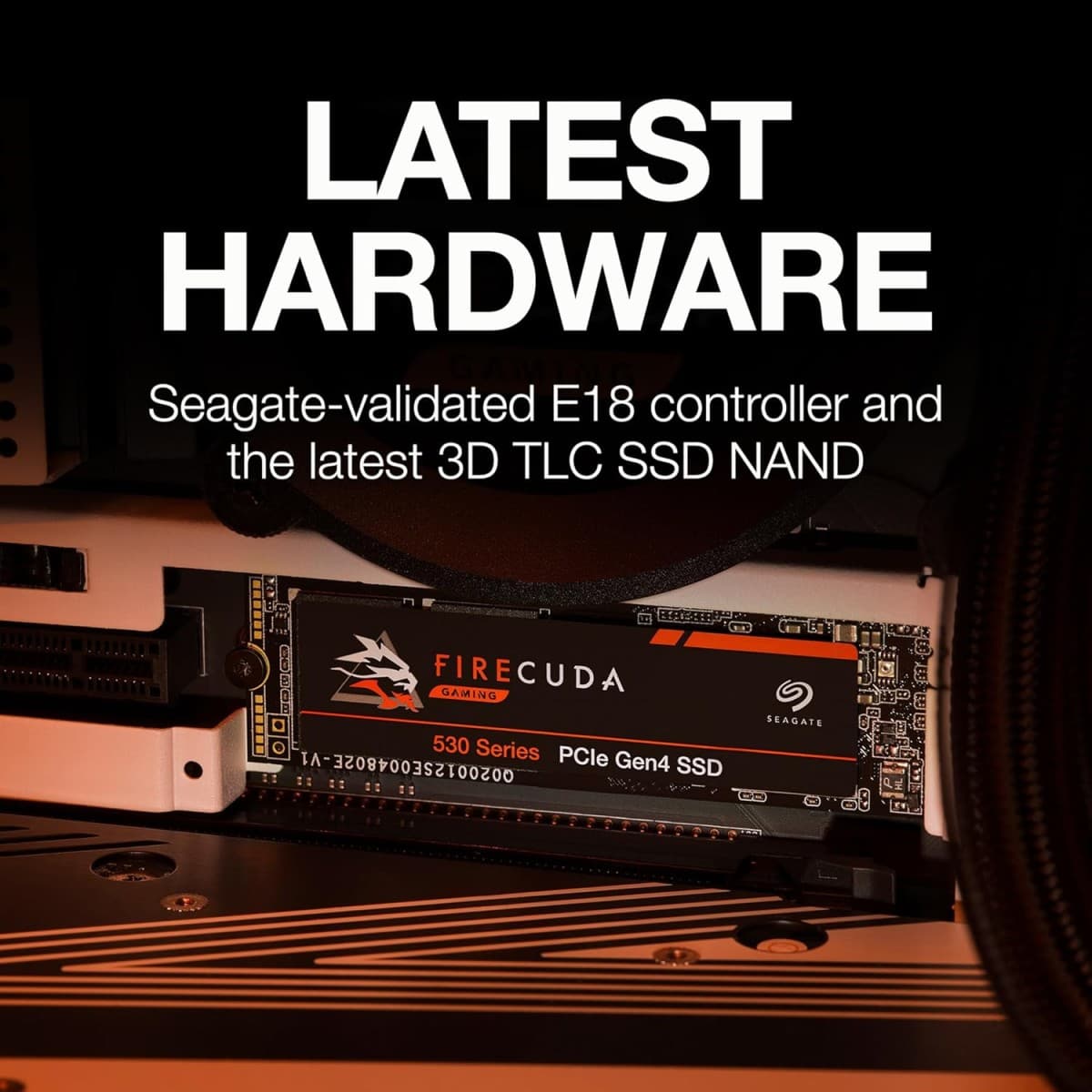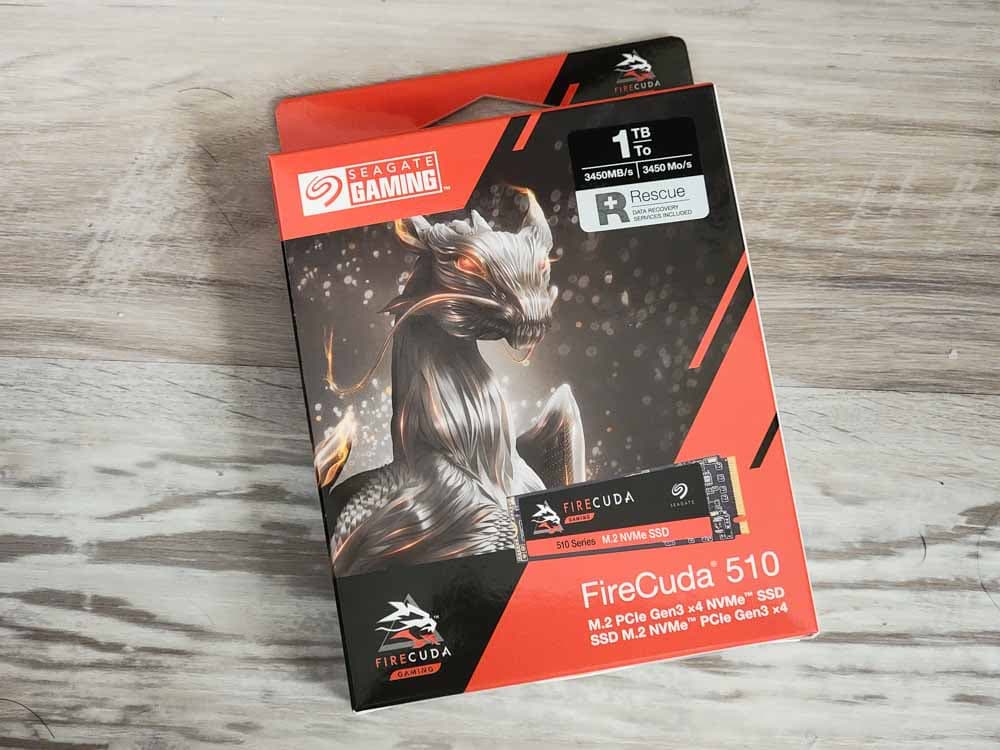

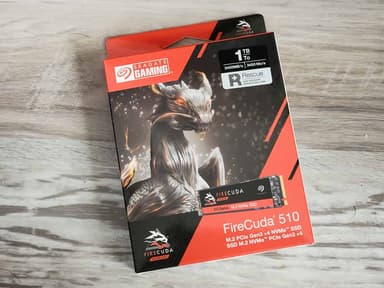
Seagate FireCuda 510 1TB PCIe Gen3 NVMe M.2 SSD
Blazing 3,450 MB/s read speeds – a PCIe Gen3 powerhouse for pro gamers and creators with high endurance and data recovery
Key Highlights
- 3,450 MB/s sequential read – flagship PCIe Gen3 performance
- 1 TB capacity with Kioxia 64-layer 3D TLC NAND and Phison E12S controller
- Dedicated DRAM cache (Hynix DDR4) for low-latency access
- 1,300 TBW endurance, 5-year warranty + 3-year Rescue Data Recovery Services
- PCMag Editors' Choice award winner for PCIe NVMe SSDs
Overview
How It Works
The Seagate FireCuda 510 harnesses PCIe 3.0 x4, a Phison E12S controller, and 64-layer 3D TLC NAND to deliver elite Gen3 performance. Here's what happens under the hood:
PCIe 3.0 x4 Interface
The drive connects via four PCIe 3.0 lanes, providing 4 GB/s of raw bandwidth. This enables sequential reads of up to 3,450 MB/s and writes of up to 3,200 MB/s[reference:21][reference:22].
Phison E12S Controller
An 8-channel, PCIe 3.0-native controller with Dual R5 + CoX architecture[reference:23]. Advanced error correction (LDPC), garbage collection, wear-leveling, and TRIM are managed by the controller[reference:24].
Kioxia 64-Layer 3D TLC NAND
High-density 64-layer 3D TLC NAND provides a strong balance of performance, endurance, and cost[reference:25][reference:26]. The 1 TB variant is rated for 1,300 TBW[reference:27].
DRAM Cache & SLC Caching
A dedicated DRAM cache (Hynix DDR4) holds the mapping table, reducing access latency[reference:28][reference:29]. A dynamic SLC cache absorbs burst writes at full speed[reference:30].
NVMe 1.3 & DirectStorage
The NVMe 1.3 protocol optimises command queuing and I/O parallelism[reference:31]. With Microsoft DirectStorage, games can load assets directly from the SSD to the GPU.
Thermal Management
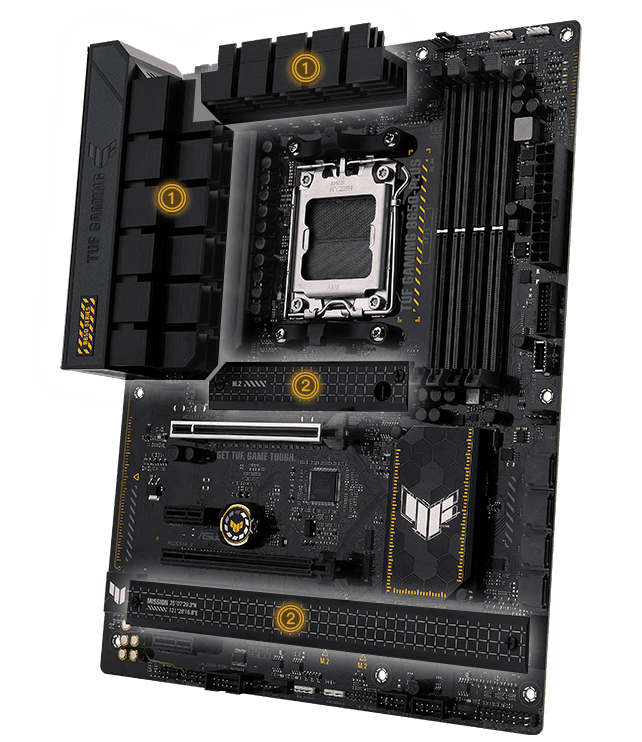
The drive ships without an integrated heatsink and relies on motherboard M.2 cooling. Advanced thermal throttling protects the drive during sustained heavy writes[reference:32][reference:33].
Key Features
3,450 MB/s Reads
Blazing PCIe Gen3 sequential read speeds that make SATA drives feel obsolete. Boot Windows, launch games, and load massive projects in seconds[reference:34].
PCIe 3.0 x4 Interface
Full compatibility with PCIe Gen3 motherboards. Backward-compatible with PCIe 2.0 slots (at reduced speed)[reference:35][reference:36].
1 TB Capacity
Ample room for your OS, a large game library, 4K video projects, and creative workloads. Also available in 250 GB, 500 GB, and 2 TB[reference:37].
Dedicated DRAM Cache
Hynix DDR4 DRAM cache stores the logical-to-physical address mapping table, reducing access latency and improving random performance compared to DRAM-less designs[reference:38][reference:39].
High Endurance – 1,300 TBW
Rated for 1,300 TBW (terabytes written) for the 1 TB variant[reference:40]—equivalent to writing over 700 GB of data every day for five years. The 2 TB variant offers 2,600 TBW[reference:41]. Backed by a 5-year warranty.
3-Year Rescue Data Recovery Services
Includes 3 years of Seagate Rescue Data Recovery Services—providing professional data recovery in case of unexpected data loss[reference:42][reference:43].
✓ Pros
- ✓Blazingly quick sequential speeds – among the fastest PCIe Gen3 drives ever tested[reference:44]
- ✓Outstanding sequential write performance[reference:45]
- ✓Good sustained write performance even after SLC cache is exhausted[reference:46][reference:47]
- ✓Very high durability rating – 1,300 TBW for 1 TB, 2,600 TBW for 2 TB[reference:48][reference:49]
- ✓Competitive pricing – earned PCMag's Editors' Choice award[reference:50][reference:51]
- ✓Dedicated DRAM cache for low-latency access[reference:52]
- ✓5-year warranty from a trusted storage leader[reference:53]
- ✓3-year Rescue Data Recovery Services included[reference:54][reference:55]
✗ Cons
- ✗Requires a PCIe 3.0 M.2 slot to achieve full 3,450 MB/s speed
- ✗Some thermal throttling when heavily loaded – adequate cooling recommended[reference:56][reference:57]
- ✗SLC cache could be larger[reference:58]
- ✗Inaccurate temperature reporting in some cases[reference:59]
- ✗Only two capacity options originally (1 TB and 2 TB), though 250 GB and 500 GB variants exist[reference:60]
Use Cases
Technical Specifications
Seagate FireCuda 510 vs Seagate FireCuda 520 vs Samsung 970 EVO Plus
| Feature | fireCuda510 | fireCuda520 | samsung970EvoPlus | |
|---|---|---|---|---|
| Interface | PCIe 3.0 x4 | PCIe 4.0 x4 | PCIe 3.0 x4 | |
| Sequential Read | 3,450 MB/s | 5,000 MB/s | 3,500 MB/s | |
| Sequential Write | 3,200 MB/s | 4,400 MB/s | 3,300 MB/s | |
| NAND Type | 64-Layer TLC | 96-Layer TLC | 3D TLC | |
| Controller | Phison E12S | Phison E16 | Samsung Phoenix | |
| DRAM | Hynix DDR4 | DDR4 | Yes | |
| Endurance (1TB) | 1,300 TBW | 1,800 TBW | 600 TBW | |
| Data Recovery | 3-Year Rescue Service | 3-Year Rescue Service | Not Included | |
| Release Year | 2019 | 2019 | 2019 |
Setup Tips
Install in the Primary M.2 Slot
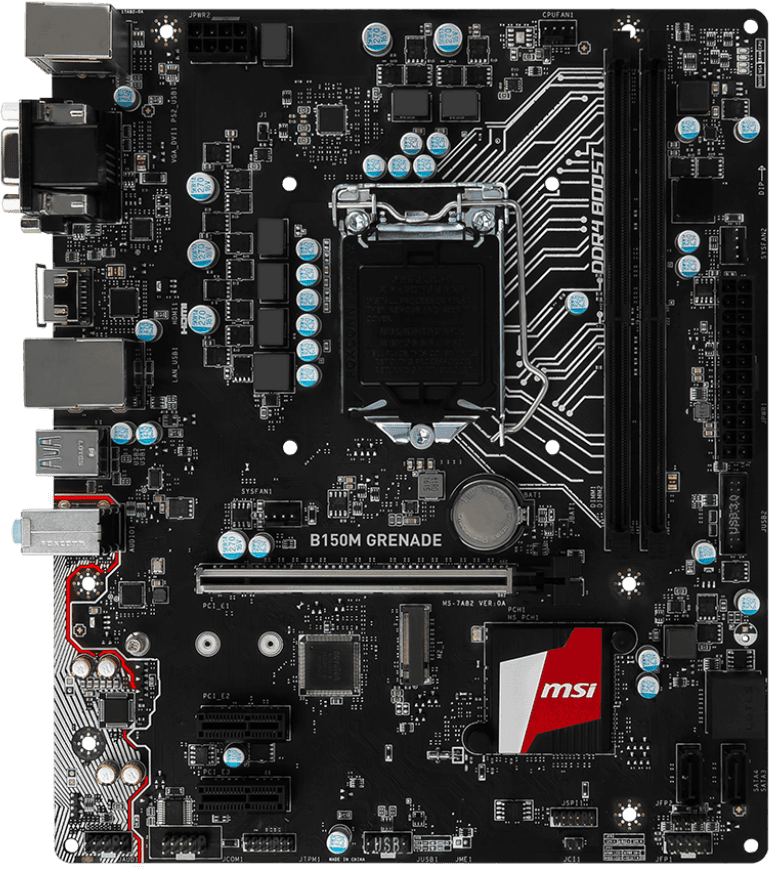
On most motherboards, the slot closest to the CPU offers the best PCIe lane allocation. Consult your motherboard manual to ensure you're using a PCIe 3.0-capable slot.
Enable PCIe 3.0 in BIOS
Some motherboards default M.2 slots to PCIe 2.0. Enter the UEFI BIOS, navigate to Advanced → Onboard Devices Configuration, and set the M.2 link speed to Gen3.
Provide Adequate Cooling
The FireCuda 510 ships without a heatsink. Use your motherboard's M.2 armour or an aftermarket heatsink. For sustained heavy writes, active airflow is recommended[reference:92][reference:93].
Update Your SSD Firmware
Download Seagate SeaTools from seagate.com to monitor drive health, manage storage, and check for firmware updates[reference:94].