
Amazon is moving forward with a major data center development in Pecos County, Texas, supported by an on-site power plant that critics warn could become the largest source of climate-warming pollution in the United States. The facility's permitted emission levels have ignited concerns regarding the tech giant's ability to uphold its long-term carbon neutrality goals.
The Proposed Infrastructure and Its Scale
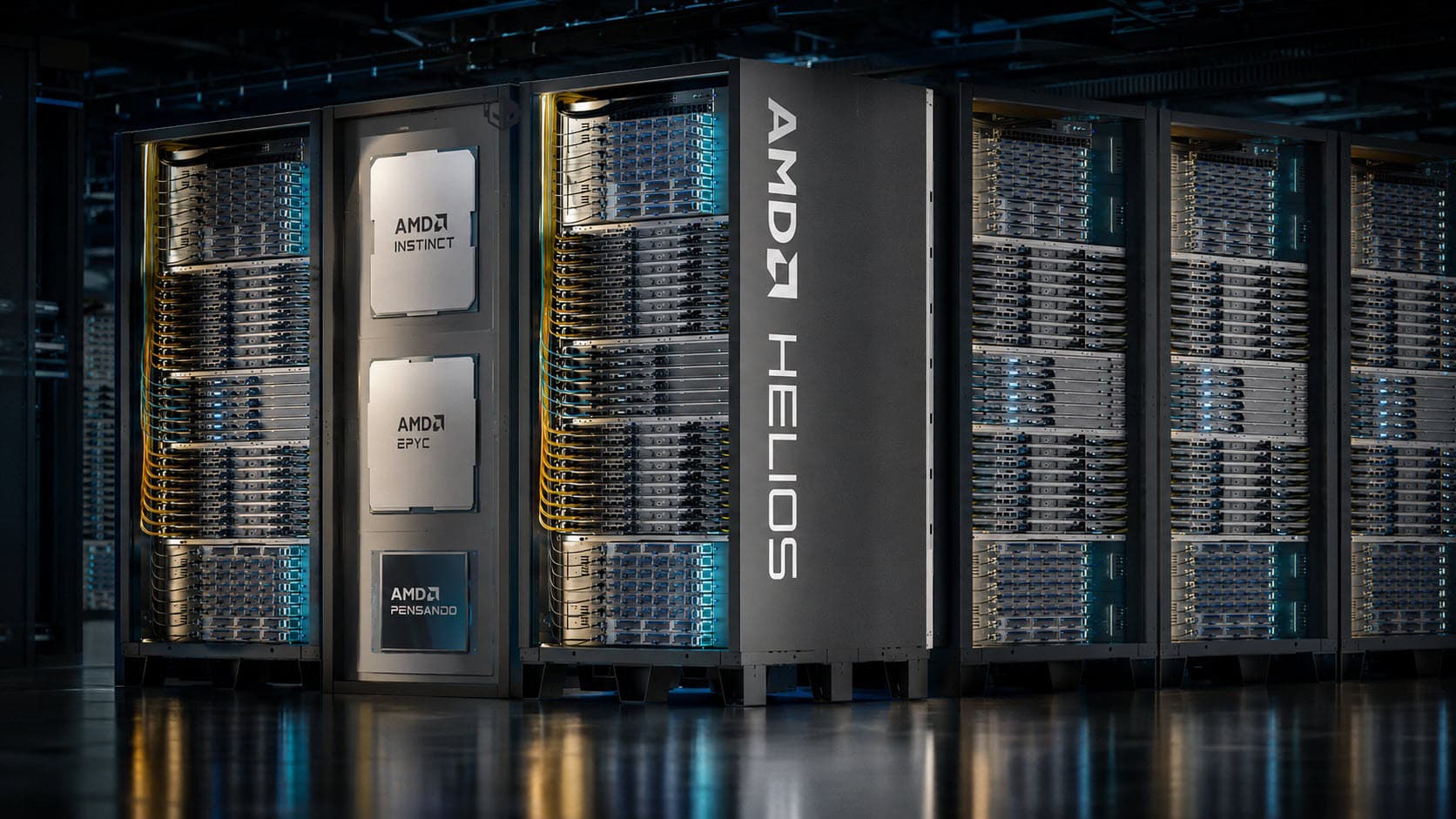
Amazon is spearheading a massive data center project in Pecos County, Texas, which relies on a dedicated on-site power generation facility known as GW Ranch. The power plant will utilize 35 natural-gas turbines, providing a massive total capacity of 7.65 gigawatts of electricity. Unlike typical data center configurations that draw from regional power grids, this facility is designed to operate primarily as an independent, behind-the-meter energy source for the Amazon-owned site. According to permit data tracked by Cleanview, the site has been authorized to emit up to 33 million tons of carbon dioxide annually. If utilized to its full permitted potential, this would surpass the annual greenhouse gas output of the largest coal-burning power plants currently operating within the United States, positioning it as a significant industrial polluter.
Conflict With Corporate Sustainability Goals
The development of a high-emission natural gas facility places Amazon in a challenging position regarding its public environmental commitments. The company has previously pledged to reach carbon neutrality by 2040, yet its recent annual carbon reports indicate a 16% increase in emissions. The surge is largely attributed to the immense power requirements of its artificial intelligence initiatives. Amazon spokesperson Margaret Callahan defended the company’s trajectory by stating that the global landscape has evolved since the original climate pledge was drafted, though she maintained that the company’s core commitment remains intact. Analysts suggest that the growing dependence on massive natural gas plants to fuel AI infrastructure may make it increasingly difficult for tech companies to reconcile their expansionist growth strategies with the decarbonization targets they previously set.
Broader Industry Trends in Energy Sourcing
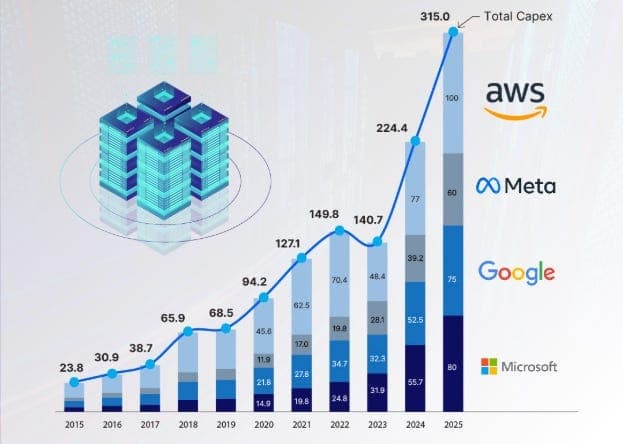
Amazon’s shift toward building its own power infrastructure is not an isolated phenomenon, as other major tech entities like Meta and Google are also increasingly turning to independent energy projects to satisfy the insatiable electricity demands of modern data centers. As these companies scale their AI operations, they are showing a growing preference for direct control over their power supplies, frequently selecting natural gas, coal, or other non-renewable sources to ensure reliability. This trend has drawn intense scrutiny from environmental groups and policymakers. Furthermore, the political climate in the United States is becoming more favorable for such projects, with the current administration under Donald Trump actively pursuing the deregulation of power plants, potentially easing the path for large-scale energy projects that would have faced stricter oversight in prior years.
Economic and Political Implications
Beyond the environmental debate, the project has also touched upon the delicate issue of energy costs for local populations. Data centers have recently become targets of political opposition due to concerns that their massive consumption of electricity could strain local grids and drive up prices for residential consumers. Amazon has attempted to preempt these concerns by stating that the GW Ranch project will generate new power capacity that is intended to operate independently from the Texas electrical grid, thereby avoiding the creation of additional costs for Texas families. By keeping the facility off-grid, Amazon is aiming to mitigate public backlash regarding energy pricing, although this strategy does not address the environmental cost associated with the heavy reliance on natural gas combustion required to run the facility at full capacity.
⚖ The Balanced View
Supporting view
Amazon asserts that the on-site generation will not increase electricity costs for local residents because the facility will provide power specifically for its own operations rather than drawing from the existing Texas power grid.
Concerns & criticism
Environmental critics and analysts argue that the plant's massive permitted CO2 output of 33 million tons per year is fundamentally incompatible with the company's public commitment to carbon neutrality by 2040.
→What's next
Regulators and environmental advocacy groups are expected to continue monitoring the construction and operational impact of the GW Ranch facility. Observers will be tracking whether actual emissions approach the site's high permit limits or if operational efficiencies keep the facility's carbon footprint lower than projected.