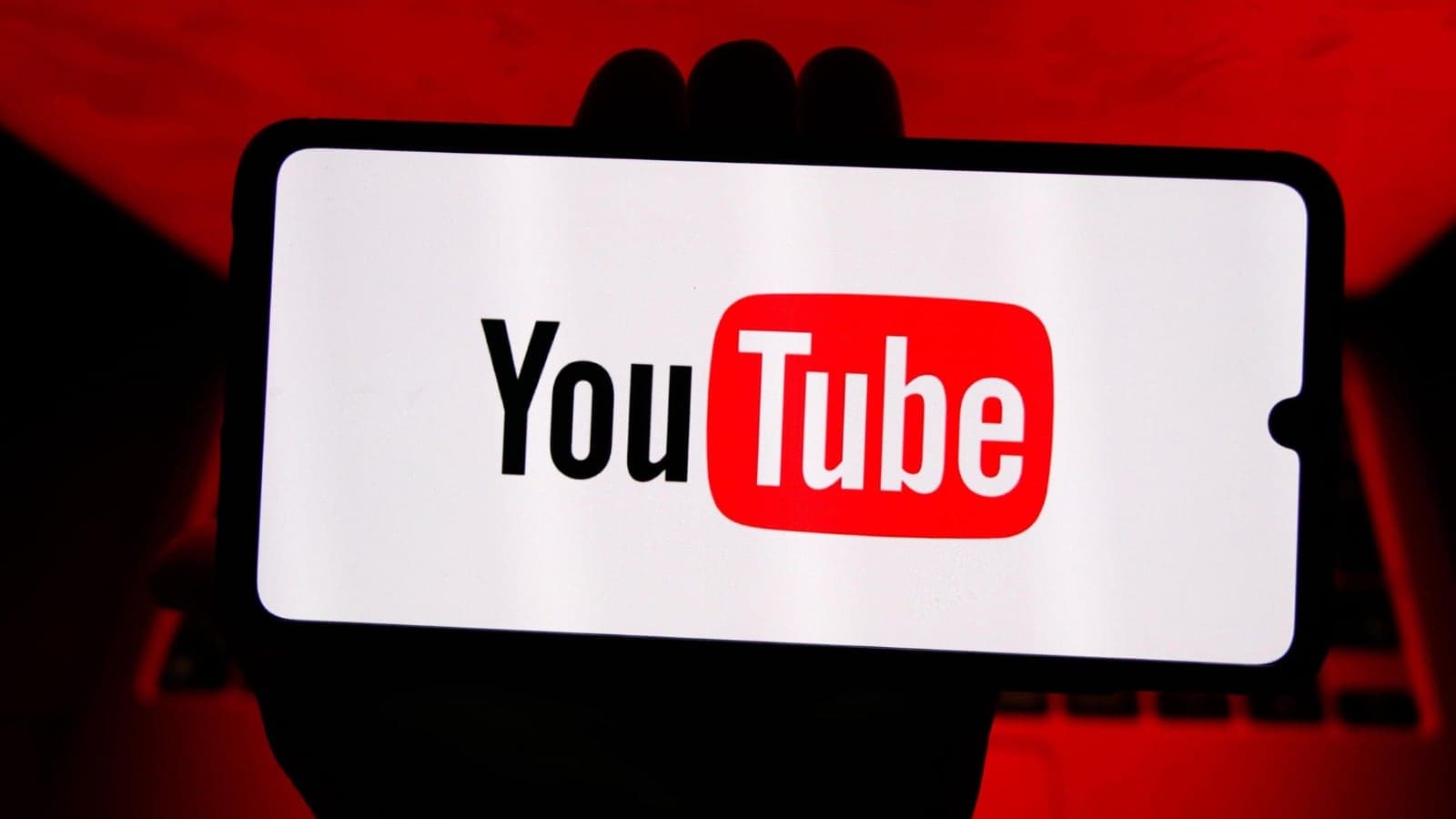
YouTube is doubling its watch time and Shorts view requirements for new creators hoping to join the YouTube Partner Program. The company is also implementing new maintenance standards for existing creators to retain their monetization access.
New Monetization Requirements
Beginning February 1, 2027, YouTube is significantly elevating the barrier to entry for its Partner Program (YPP). Aspiring creators will now be required to accumulate 8,000 qualified watch hours over the previous year, or alternatively, reach 20 million qualified Shorts views within a 90-day window. This represents a twofold increase from the current mandates, which stand at 4,000 watch hours or 10 million Shorts views respectively. While the subscriber requirement remains fixed at 1,000, these heightened activity metrics are intended to reflect the massive scale of the platform, which currently reports over 200 billion daily Shorts views and more than a billion hours of daily watch time on television devices. These changes apply specifically to new entrants, while existing partners are subject to a different set of maintenance rules.
Maintaining Program Eligibility
The platform is also introducing stricter ongoing requirements for current partners to ensure they remain active. To continue earning revenue, existing creators must now maintain at least 1,000 watch hours annually or 1 million Shorts views every 90 days. However, YouTube has provided a path to bypass these metrics through consistent activity: creators can keep their standing by uploading at least two long-form videos or five Shorts every 90 days. Furthermore, the platform reiterated its policy regarding inactivity, confirming that channels failing to publish content or update the 'Posts' tab for six months will be removed from the program. Current partners have until January 31, 2027, to formally accept these updated terms to preserve their monetization status.
Strategic Pivot Toward Premium Content
These policy shifts coincide with YouTube’s broader strategic pivot to position itself as a premium streaming service rather than a simple video-sharing site. By incorporating features like season organization for content and securing exclusive broadcasting rights for high-profile figures such as Trevor Noah, YouTube is clearly aiming to compete more directly with subscription-based giants like Netflix, HBO Max, and Disney Plus. The increased requirements serve to filter the creator ecosystem, prioritizing those who can reliably drive sustained engagement. Industry observers note that as YouTube transitions toward this premium model, it is increasing pressure on both new and established creators to demonstrate consistent audience capture to secure a share of the platform’s advertising and subscription revenue.
The Role of Premium Lite
To soften the impact of these changes, YouTube is expanding its 'Premium Lite' subscription service to every market where standard Premium is offered. This tier provides users with an ad-free experience, offline downloads, and background play, excluding the bundled music-streaming service. YouTube argues that this expansion will lead to higher earnings for creators, claiming that partners typically earn more when a viewer signs up for a subscription compared to standard ad-supported viewing. Revenue from these subscriptions is split between creators based on their watch time and views, with a 55% allocation for long-form video creators and a 45% share for Shorts creators. However, critics point out that because YouTube does not disclose specific subscriber counts per tier, it remains unclear whether this subscription expansion will sufficiently compensate for the harder-to-reach monetization goals.
⚖ The Balanced View
Supporting view
YouTube maintains that these changes are necessary to keep pace with the platform's massive growth, noting that Premium Lite subscribers can provide higher earnings for creators than traditional ad-based views.
Concerns & criticism
Critics and creators express concern that these higher thresholds will make it significantly harder for new talent to start earning a living, potentially turning the platform into a less viable career path for up-and-coming creators.
→What's next
Creators already in the YouTube Partner Program must accept the updated terms by January 31, 2027, to maintain their monetization status. Following that, the new entry thresholds will be enforced for all creators starting February 1, 2027.