
The U.S. government has issued a conditional $400 million loan commitment to Australian miner Sunrise Energy Metals to develop a primary scandium mining operation. This initiative aims to bolster domestic and allied supply chains for the strategic metal, currently dominated by Chinese production.
Strategic Investment in Critical Infrastructure
The U.S. Department of Defense, through its Office of Strategic Capital (OSC), has announced a conditional loan commitment of $400 million to Sunrise Energy Metals. This capital infusion is earmarked for the development of a full-scale scandium value chain, anchored by the company's Syerston Project in New South Wales, Australia. By facilitating this, the U.S. administration aims to establish a reliable source of scandium outside of China, which currently maintains control over approximately 70% of global rare earth production and nearly 90% of global processing. The deal represents a significant effort by the Trump administration to prioritize critical mineral security, ensuring that essential materials for defense and commercial infrastructure are not bottlenecked by foreign state control.
The Significance of Scandium
Scandium is a highly sought-after element prized for its unique physical properties, including its ability to enhance aluminum strength while maintaining resistance to heat and corrosion. In the modern industrial landscape, these characteristics make it an invaluable asset for aerospace and defense manufacturing. Beyond military applications, the metal is essential for supporting power-constrained infrastructure and the burgeoning needs of artificial intelligence data centers. Because the global market for scandium remains relatively small compared to other minerals, even a single high-output mining operation can significantly shift the supply landscape. Sunrise Energy Metals claims its Syerston site will eventually have the capacity to replace the entire volume of scandium currently supplied by China.
Market and Political Context
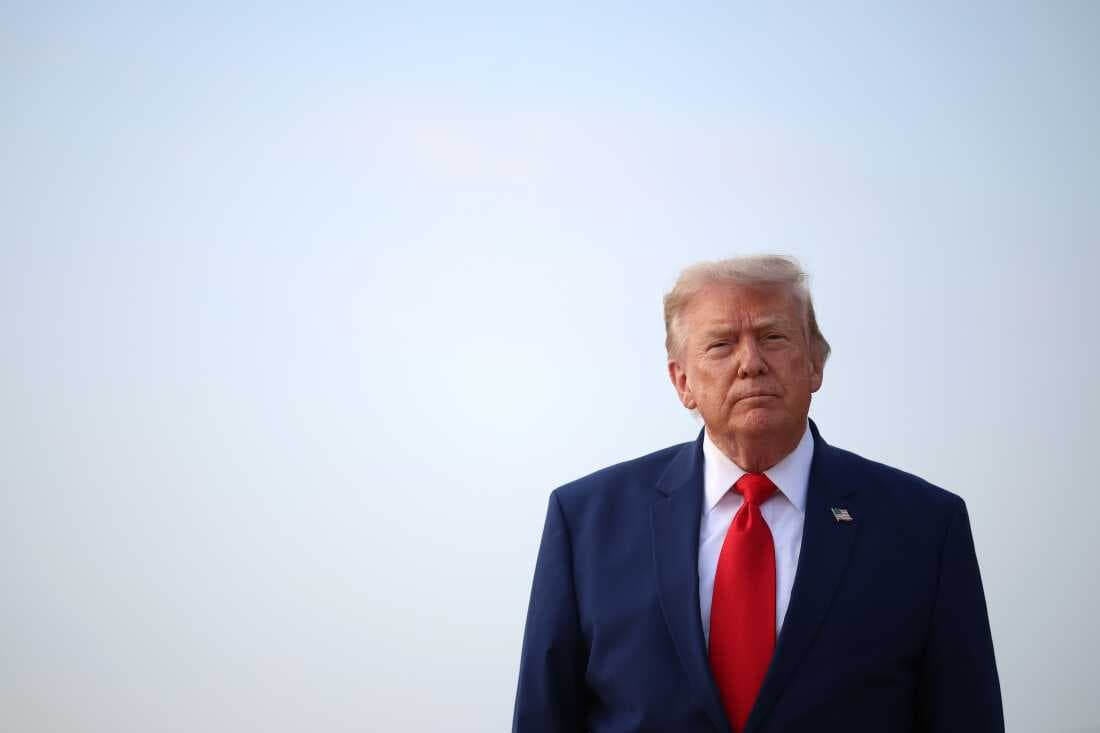
Following the announcement, shares of Sunrise Energy Metals experienced a notable surge, climbing as much as 29% on the Australian Securities Exchange before settling at a 16% gain by the close of the trading day. The funding follows a series of high-level meetings between President Donald Trump and prominent mining industry executives. Robert Friedland, Chairman of Sunrise, described the investment as a 'landmark moment' that highlights the growing link between mineral access, industrial strength, and national security. Officials, including OSC Director David A. Lorch, have emphasized that the investment—a broader deal potentially involving nearly $1 billion in total public and private capital—serves as a vital step in creating long-term supply chain resilience for the United States and its partners.
Broader Industry Implications
The reliance on China for critical minerals has been a recurring point of concern for Western policymakers, particularly as the transition toward clean energy continues to escalate demand for rare earths. By partnering with Australian firms, the U.S. is strategically attempting to diversify its sourcing to prevent future supply shocks. Sam Riggall, the CEO of Sunrise Energy Metals, has characterized the project as a ready solution to current supply risks. By shifting production to an allied nation like Australia, the U.S. aims to insulate key technology and defense sectors from the geopolitical leverage Beijing currently exerts through its dominance in refining and extraction. This effort underscores a broader trend where industrial policy and national security are becoming increasingly intertwined.
⚖ The Balanced View
Supporting view
Supporters, including Department of Defense officials and company leadership, view this move as a critical step toward national security and industrial independence, arguing that domestic and allied production is the only way to mitigate the risk of Chinese-controlled supply chains.
→What's next
The project will now move to formalize the loan process and ramp up operations at the Syerston Project. Stakeholders will be watching for construction milestones and the company's ability to successfully scale production to its full intended capacity.