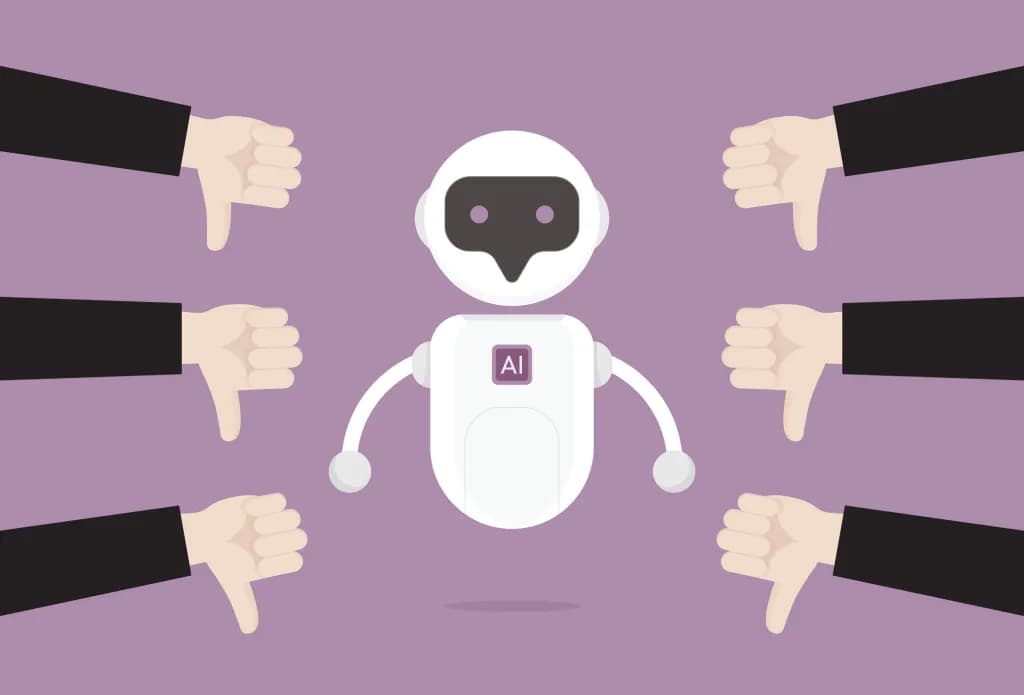

While leadership at major technology firms touts AI as a means to reduce work hours, employees report being subjected to 70- to 90-hour work weeks due to intense project demands. Recent research suggests that rather than lightening workloads, AI tools often increase the intensity and scope of tasks required of staff.
The Disconnect Between Executive Promise and Labor Reality
For several years, high-ranking executives in the technology sector have promised that artificial intelligence would act as a boon to human work-life balance. Predictions from Google leadership previously suggested a four-day work week might be feasible by 2025, and OpenAI has publicly encouraged other corporations to adopt shorter work schedules, asserting that AI would drastically increase labor productivity. However, these executive-level forecasts stand in stark contrast to the reports emerging from the front lines of AI development. Employees at top-tier firms describe a grueling atmosphere where expectations are far from the promised leisure. Former staff members highlight a culture defined by constant crisis management, weekend work, and cut-throat performance reviews. Crucially, while OpenAI has championed the benefits of a shortened work week to the wider industry, former employees suggest the company never actually implemented such a policy internally during their tenure, instead relying on intense, unrelenting hours to meet project milestones.
Extreme Sprints and Mandatory Reassignments
The operational structure inside major AI companies is currently defined by 'sprints'—periods of high-intensity labor leading up to product launches—that have begun to stretch into multi-week marathons. Workers report consistently working 70 to 90 hours per week, a sharp increase from the traditional office environments previously common in the tech industry. At Meta, the pressure has manifested through a practice some staff members call being 'drafted.' In this scenario, employees are abruptly reassigned to urgent AI-focused teams without the option to refuse, effectively forcing them into long hours and constant availability. Even when firms have attempted to walk back such rigid mandates, the damage to employee wellbeing is often already done. The work is described as inherently demanding, as these teams are tasked with the massive goal of creating infrastructure capable of replicating human labor, a process that staff members characterize as an endless cycle of technical pressure.
The Negative Impact on Health and Infrastructure
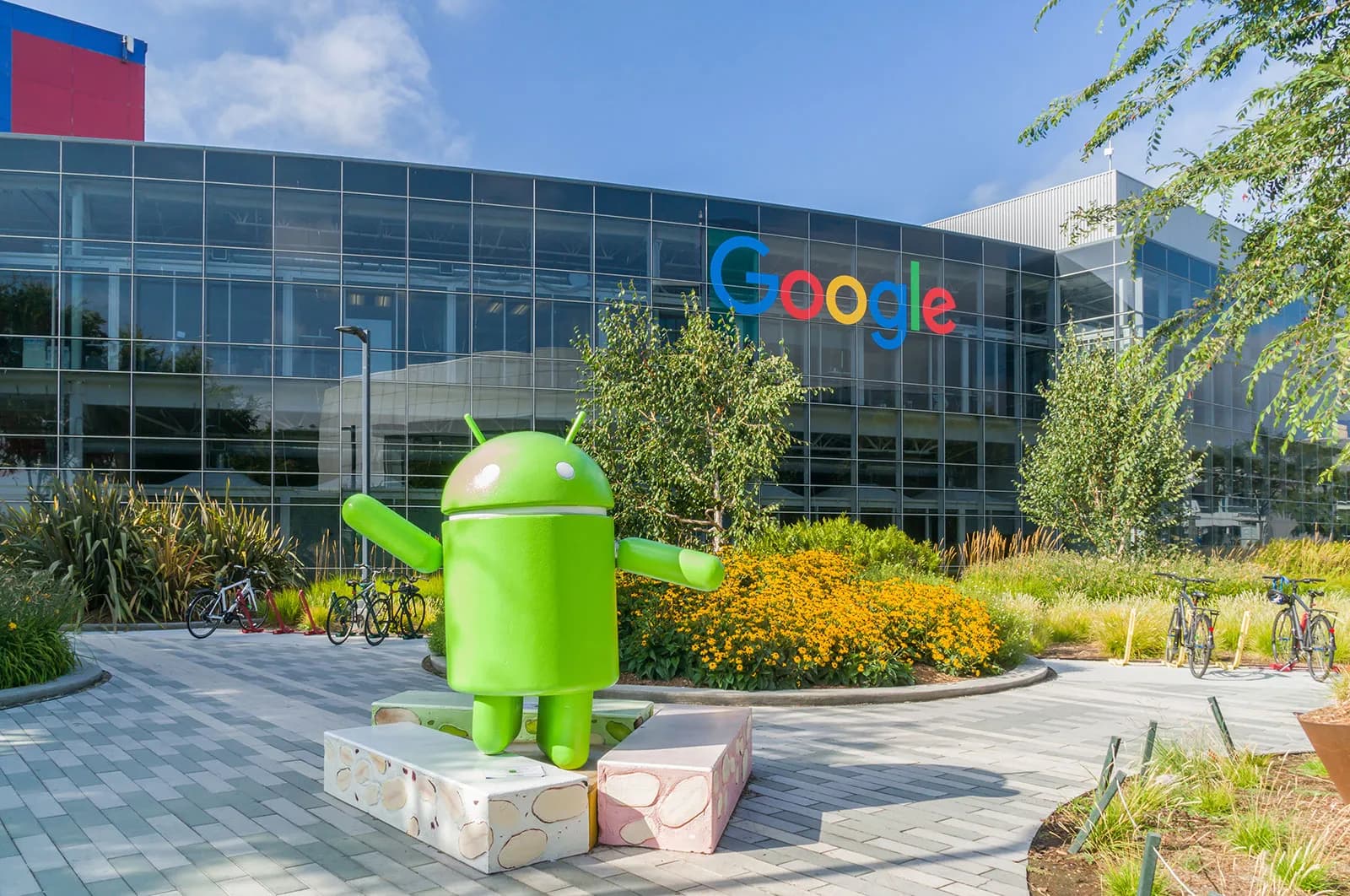
The strain is not limited to those directly coding the next generation of AI models. At Google, the redirection of critical resources like processing power and memory storage toward AI projects has created a cascade of failures for other engineering functions. This has forced non-AI specialized engineers to work throughout the night to compensate for platform instability, leading to significant personal health issues. Former employees have spoken openly about how the reliance on AI for company-wide strategic shifts has fostered a toxic work culture defined by excessive pressure. Sleep deprivation and chronic exhaustion have become common among those maintaining these systems. These experiences underscore a reality where the pursuit of AI development is actively degrading the working conditions of the broader technical staff, turning once-stable roles into high-stress positions that demand constant vigilance and physical sacrifice.
The Paradox of Efficiency
Academic research offers a potential explanation for why these efficiency-focused tools have resulted in more—not less—work for tech employees. A study conducted by UC Berkeley over an eight-month period found that when workers utilized AI, they did not necessarily finish their tasks faster to gain free time. Instead, they took on a wider variety of tasks and increased their overall pace, extending their working hours further into the evening. Neil Thompson, an innovation scholar at MIT, notes that the time 'saved' by automation is immediately absorbed by the labor required to implement, refine, and verify the output of these tools. Because AI requires constant monitoring to ensure accuracy, the human burden often shifts from manual labor to complex oversight. Furthermore, the organizational pressure to demonstrate value to an employer means that any theoretical time saved is immediately filled by the next project, preventing any actual reduction in the standard 40-hour work week.
⚖ The Balanced View
Supporting view
Executives and company leaders argue that AI will eventually dramatically change the nature of work, potentially allowing employees to accomplish significantly more than they ever could with traditional tools.
Concerns & criticism
Employees and researchers contend that AI implementation currently creates a more burdensome workload by requiring constant output verification, shifting priorities, and a culture that views every saved second as an opportunity to add more tasks.
→What's next
It remains to be seen whether the technology sector will adjust its internal policies to address growing reports of staff burnout and extreme working hours. Without significant shifts in management strategy, the disconnect between the promise of AI-enabled leisure and the current reality of constant, high-pressure 'sprints' is likely to persist.