
TSMC reported a robust 44.7% increase in July revenue, signaling that the intense demand for AI-specific semiconductors remains a dominant force in the technology sector. This strong monthly performance exceeds the company’s own annual growth guidance of 40%.
Strong July Financials
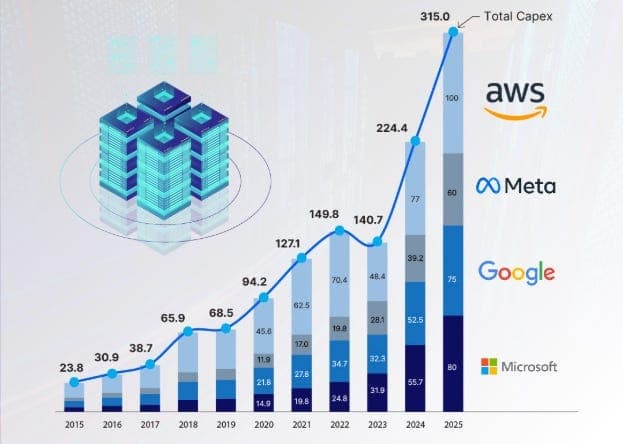
Taiwan Semiconductor Manufacturing Co. (TSMC) announced a significant financial milestone for July 2026, posting revenue of 467.58 billion New Taiwan dollars, or approximately $14.5 billion. This figure represents a 44.7% increase compared to the same period in the previous year. As the world’s largest contract chip manufacturer, these results serve as a critical health check for the broader technology industry. Analysts at Quilter Cheviot noted that these figures place the company ahead of its internal 40% annual revenue growth trajectory. Because TSMC manages the production for major industry players such as Nvidia and Google, their output and sales volume offer a transparent window into how much capital Big Tech companies are currently dedicating to the expansion of their artificial intelligence infrastructure.
AI Infrastructure Investment
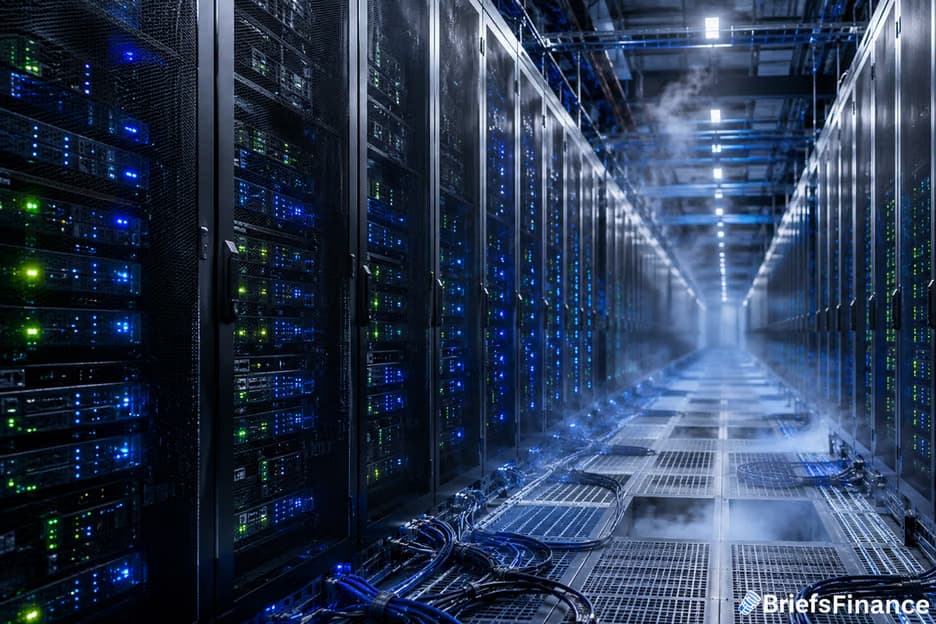
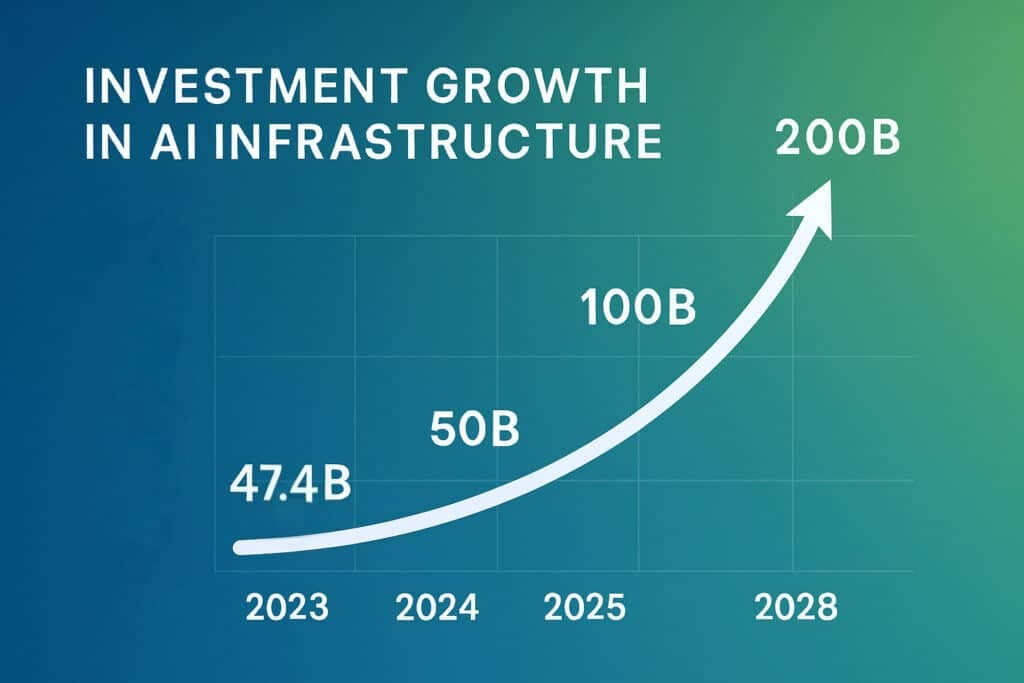
The core driver behind TSMC’s recent success is the relentless global appetite for high-performance computing components required to train and deploy artificial intelligence models. During the company’s second-quarter earnings call held last month, leadership disclosed that high-performance computing accounts for 66% of their total revenue. TSMC Chairman C.C. Wei publicly emphasized the robust nature of this AI-specific demand. To keep pace with this surging interest, the company has raised its capital expenditure forecast for 2026 to a range between $60 billion and $64 billion. This massive investment strategy is intended to bolster production capacity and ensure the company can meet the aggressive delivery schedules demanded by the tech sector's biggest names as they compete for dominance in the AI landscape.
Market Reactions and Industry Sentiment
The positive revenue announcement from TSMC sent ripples through global equity markets, particularly within the semiconductor sector. Following the report, European chip-related stocks experienced a boost, with ASML shares climbing over 2% and companies like Infineon and STMicro also seeing upward movement. This reaction occurs against a backdrop of recent market volatility; the PHLX Semiconductor index, while still up roughly 72% for the year, has faced a 15% decline from its peak in June amid investor concerns regarding the sustainability of AI capital expenditures. Despite these broader market jitters, TSMC has maintained strong investor confidence, with its shares currently trading 50% higher for the year as it continues to capitalize on its essential role in the technology supply chain.
Volatility Risks and Future Outlook
While the July growth figures are undeniably strong, industry experts caution against over-interpreting monthly snapshots. Ben Barringer, head of technology research at Quilter Cheviot, advised that semiconductor demand can be highly dynamic and prone to rapid shifts, suggesting that monthly fluctuations should not be viewed as absolute indicators of long-term stability. While July's performance reduces pressure on the company's output targets for the remainder of the third quarter, experts remain watchful. The sustained growth of the company relies on its ability to execute its expansion plans and the continued willingness of Big Tech to funnel massive capital into AI hardware. Consequently, investors are keeping a close eye on both TSMC’s operational output and the broader return on investment metrics coming out of the technology sector.
⚖ The Balanced View
Supporting view
The company’s growth is underpinned by an unprecedented level of capital investment from major technology firms into AI infrastructure, with high-performance computing now generating 66% of TSMC's revenue.
Concerns & criticism
Market analysts warn that semiconductor demand can be volatile, and recent investor skittishness has caused a 15% correction in the broader semiconductor index from its June high.
→What's next
TSMC will continue its aggressive investment cycle, with total 2026 capital expenditures projected to reach as much as $64 billion. Market participants will be looking to see if this manufacturing capacity matches the continued, high-level demand for AI-integrated hardware through the end of the year.