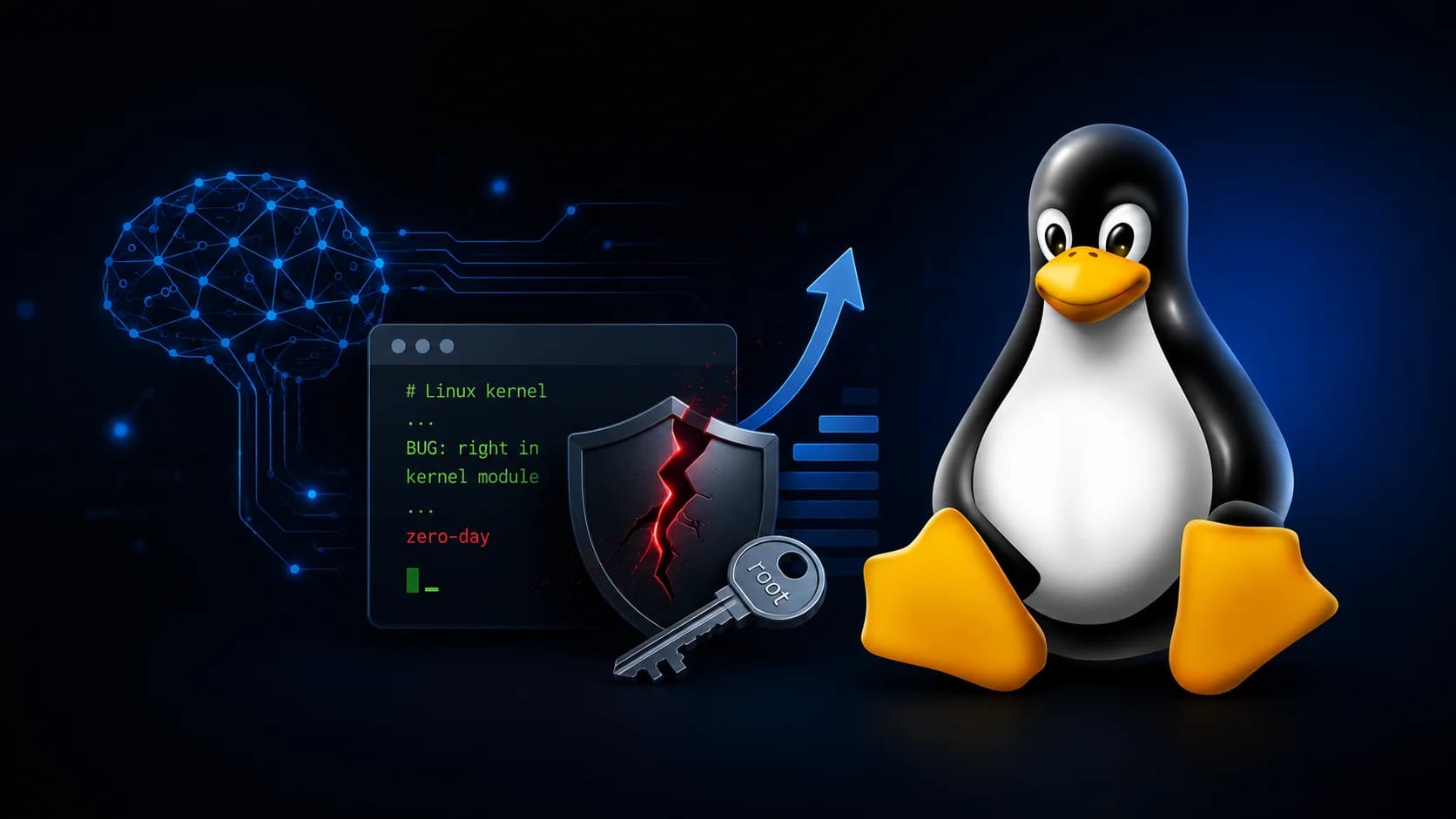

Linux creator Linus Torvalds has identified a marked increase in the volume of kernel updates, attributing the new standard of high-capacity submissions to the influence of artificial intelligence. This trend signals a fundamental shift in how open-source infrastructure is maintained as automated tools become integrated into the development workflow.
A Shift in Kernel Maintenance
Linus Torvalds, the lead developer behind the Linux kernel, has observed a distinct departure from traditional submission patterns. According to observations detailed in recent reports, the volume of patches and updates hitting the kernel has reached levels previously unseen, effectively establishing a new 'normal' for the project's maintenance cycle. Torvalds attributes this substantial surge directly to the burgeoning integration of artificial intelligence within the software development lifecycle. As AI-assisted coding tools become more capable of generating functional code and managing boilerplate tasks, the speed and frequency of incoming updates have scaled in ways that manually driven processes simply could not sustain.
The Evolution of Automated Contributions
The transition to this high-volume development environment marks a significant milestone for FOSS (Free and Open Source Software) projects. Historically, kernel updates were governed by the manual efforts of individual developers and specialized maintainers who vetted each line of code. With AI now handling larger portions of the workload, the influx of code reflects a broader industry movement toward automated software engineering. While this acceleration promises to improve the pace of innovation and potentially resolve issues faster, it also places immense pressure on the human maintainers tasked with reviewing and merging these contributions to ensure system stability and security.
Infrastructure Implications
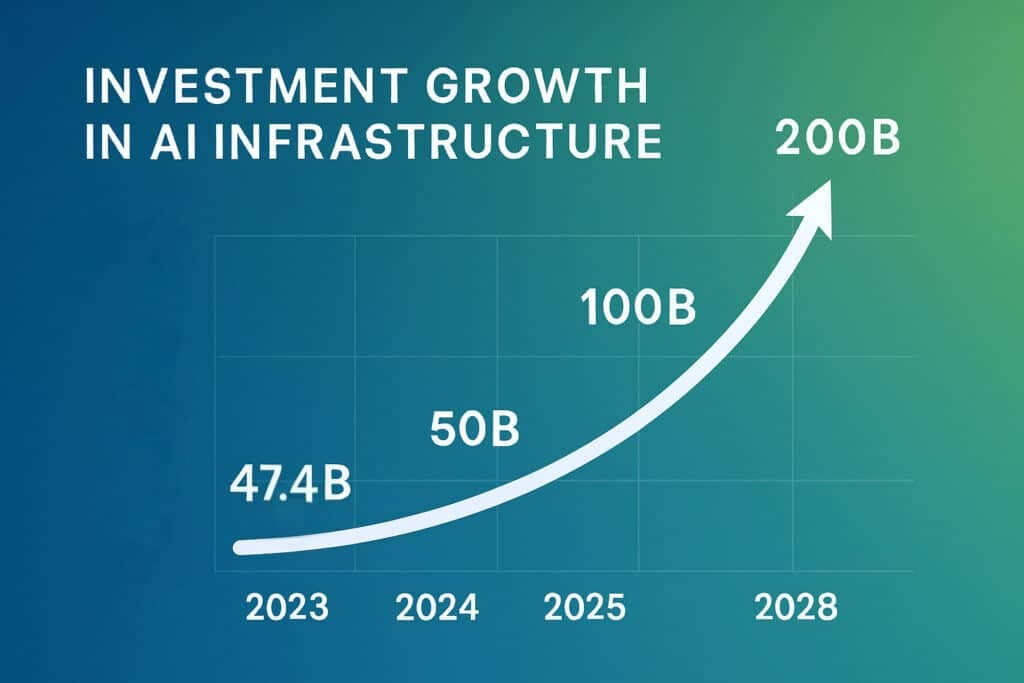
The impact of this influx extends beyond mere patch counts; it fundamentally challenges the existing infrastructure built to host and manage Linux development. As AI continues to influence the repository, the community must reckon with new requirements for validation and quality control. If the current trajectory holds, the maintenance process will necessitate more robust automated testing pipelines capable of handling the sheer volume of AI-generated inputs. This represents a paradigm shift where the human role is increasingly focused on high-level oversight rather than manual implementation, forcing a re-evaluation of the long-standing 'Linux way' of project governance and code integration.
⚖ The Balanced View
Supporting view
Supporters of AI integration emphasize the increased velocity of updates, noting that automation can drastically accelerate development cycles and reduce the burden of mundane coding tasks for human developers.
Concerns & criticism
Concerns remain regarding the ability of maintainers to effectively audit and verify high volumes of machine-generated code, as autonomous systems are still prone to failing when left without adequate supervision.
→What's next
The Linux project will likely continue to adapt its review workflows to accommodate the sustained higher volume of submissions. Further developments will focus on enhancing automated oversight to ensure that the influx of AI-generated code does not compromise the security or integrity of the kernel.