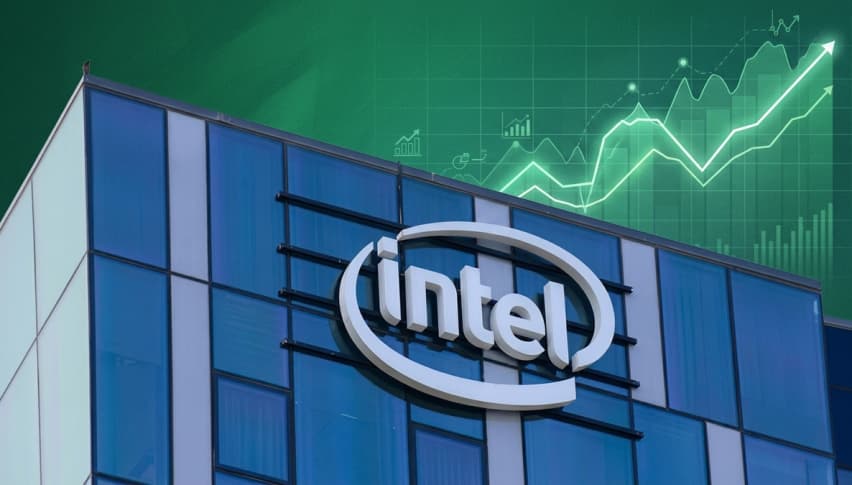

Intel has increased its common stock offering to $20 billion, priced at $95 per share, to help finance massive capital expenditures driven by the intense market demand for artificial intelligence infrastructure.
Expansion of Capital Funding
Intel has officially increased its common stock offering to $20 billion, marking a significant step up from the $15 billion initiative originally disclosed on Monday. This financial maneuver, priced at $95 per share, is designed to generate approximately $19.7 billion in net proceeds after accounting for standard underwriting commissions and various expenses. The offering is slated to finalize by August 12. Additionally, the deal structure incorporates a 30-day window for underwriters to purchase an extra $2.25 billion in shares if market conditions warrant further expansion. This move follows a period of rapid growth for the company, which recently reported its fastest revenue increase in nearly 15 years, signaling a pivot toward heavy investment in its manufacturing capabilities to satisfy global demand for specialized AI hardware.
Strategic Rationale for AI Growth
The fundamental driver behind Intel’s massive capital raise is the insatiable need for artificial intelligence computing power. Intel management has explicitly identified 'physical AI,' purpose-built silicon chips, and advanced packaging techniques as the primary vectors for the company's future growth. According to financial chief David Zinsner, the majority of the incoming funds will be directed toward factory tooling and expanding production capacity. Intel is positioning itself to handle a projected 'meaningful increase' in demand heading into 2027. This strategy aligns with a broader trend across the technology sector, where massive investments are currently being poured into infrastructure to support the next generation of compute-heavy AI models and the complex hardware required to run them effectively.
Market Context and Industry Spending
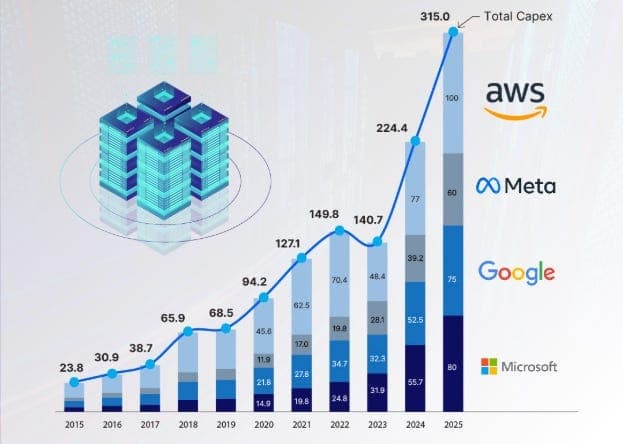
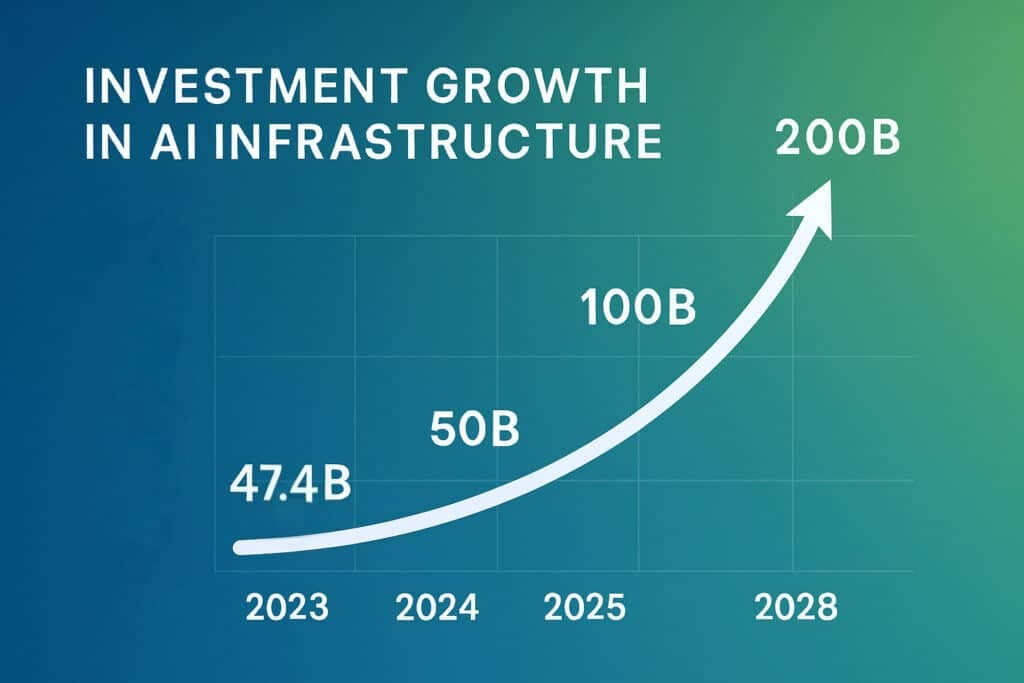
The semiconductor industry is currently navigating a period of historic capital expenditure as tech giants scramble to build out necessary AI infrastructure. According to Goldman Sachs research, collective spending from major industry players is anticipated to climb to $765 billion in the current year, with projections reaching as high as $1.2 trillion by 2027. Amazon has emerged as one of the most aggressive spenders in this group, specifically highlighting a significant memory crunch that requires urgent investment. Amid this environment, Intel has seen its own valuation rise dramatically; the company’s stock has quintupled in value over the past year and surged 175% in 2026 alone, bolstered by both the AI gold rush and a strategic 10% equity stake held by the U.S. government to support domestic manufacturing.
Financial Market Reaction
Despite the long-term potential of its expansion plans, Intel's stock saw an immediate negative response to the announcement, with shares falling 4% upon the news of the initial $15 billion offering. This volatility reflects the inherent risks of massive equity dilution even when the funds are earmarked for aggressive growth. The company intends to allocate the capital toward general corporate purposes, including working capital and essential capital expenditures. Investors appear to be weighing the necessity of this massive funding against the reality of share dilution, while simultaneously monitoring Intel's ability to execute its manufacturing roadmap. As the firm prepares for the closing of the offering, the market remains fixated on how effectively Intel can convert these billions of dollars in new capital into tangible silicon output and sustained competitive dominance in an crowded AI chip market.
⚖ The Balanced View
Supporting view
Intel is capitalizing on a massive 175% year-to-date stock surge and high demand to fund critical infrastructure and factory tooling for AI silicon.
Concerns & criticism
The market responded to the initial announcement with a 4% decline in share price, highlighting investor sensitivity to equity dilution during the capital-raising process.
→What's next
The offering is scheduled to reach its conclusion on August 12, 2026. Following the close, Intel will begin deploying the capital to ramp up factory tooling and manage working capital in anticipation of the projected compute demand increase in 2027.