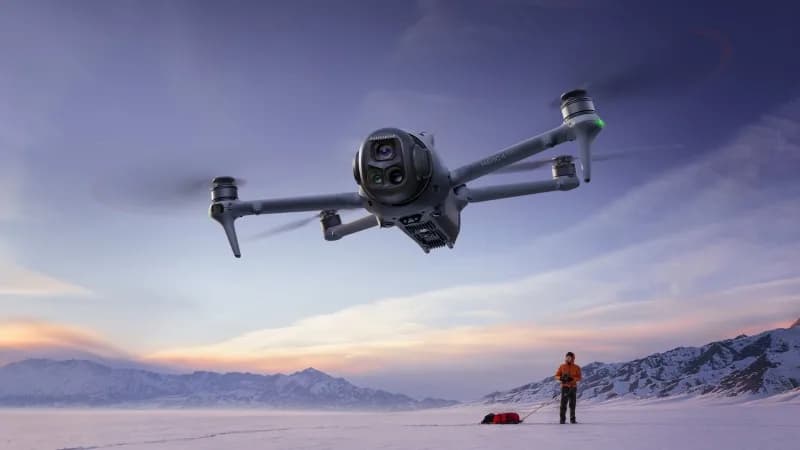

The FCC is considering a new regulatory expansion that would prohibit the sale of specific consumer and commercial drones, including several DJI models equipped with features like LiDAR and thermal imaging. While the proposed ban would not affect drones already owned by consumers, it marks a significant shift by targeting devices that the agency previously authorized.
Expansion of Federal Drone Restrictions
The Federal Communications Commission (FCC) has initiated a proposal that significantly broadens its existing regulatory framework regarding foreign-made unmanned aerial vehicles. While previous measures focused on limiting new models from entering the market, this latest push seeks to restrict specific drone categories that the agency had previously cleared for sale. By identifying drones equipped with high-end capabilities—specifically those featuring LiDAR sensors, thermal imaging, or aerosol dispensing—the agency is signaling a move toward stricter oversight of technology it now characterizes as possessing military-grade attributes. This regulatory effort stems from a broader government initiative to mitigate perceived national security vulnerabilities associated with communications equipment and surveillance technologies. The FCC is currently soliciting public input on whether to finalize these prohibitions, which would apply to both high-end consumer hardware and specialized commercial units utilized in sectors like agricultural monitoring and professional search-and-rescue operations.
Impact on Consumer Hardware
The proposed changes directly threaten the availability of several prominent DJI drone models. Devices previously granted regulatory approval, such as the DJI Air 3S, the DJI Avata 360, and the DJI Mini 5 Pro, could face a retroactive market removal if the proposal is adopted. This shift is particularly notable because it departs from the FCC’s previous policy established in late 2025, which primarily targeted incoming equipment added to the agency's 'Covered List.' The expansion also aims to close potential loopholes, as the FCC has signaled its intent to block companies suspected of rebranding DJI hardware to circumvent existing restrictions. For current owners of these devices, the regulatory change contains a crucial caveat: the prohibition would only apply to future sales. Consequently, existing users would retain their equipment, though the broader ecosystem surrounding these products could face significant challenges if the manufacturers are effectively barred from the U.S. market.
Broader Industry and Practical Implications
Although the FCC has clarified that the ban would not apply to drones already in possession of the public, the secondary effects of such a policy could prove disruptive to the consumer and commercial drone market. A potential sales freeze on these specific models creates uncertainty regarding the long-term support infrastructure for these devices. Industry experts and DJI itself have expressed concerns that even if hardware remains legal to own, the inability for manufacturers to legally sell these units could lead to a scarcity of replacement parts. Furthermore, there is significant apprehension regarding the longevity of software functionality. Should the regulation proceed as outlined, it is possible that future software updates for these affected drones could be hampered, potentially rendering features obsolete or limiting the performance of drones currently used for critical industrial or agricultural tasks.
DJI’s Response and Regulatory Tensions
In response to the agency's public notice, DJI has taken a firm stance against the proposal through its corporate blog, ViewPoints. The company characterized the FCC’s latest maneuver as a complete reversal of the regulatory agency’s prior stance, noting that the agency had previously vetted and authorized the very models it now seeks to ban. This friction highlights a deepening divide between major drone manufacturers and federal regulators tasked with balancing technological innovation with national security assessments. DJI is urging stakeholders to engage with the public comment process before the window closes in early September. The conflict underscores how sensitive surveillance features, such as those that provide sophisticated environmental scanning or night-vision capabilities, have become primary focal points in the ongoing debate over the integration of foreign-manufactured technology into the American digital and surveillance infrastructure.
⚖ The Balanced View
Supporting view
The FCC argues that these specific drone capabilities, including LiDAR and swarming technology, represent an unacceptable national security risk and warrant stricter oversight beyond current market limitations.
Concerns & criticism
DJI asserts that the move is a total reversal of the agency's prior authorization of these products, potentially harming users through reduced support, limited spare parts, and the cessation of necessary software updates.
→What's next
The FCC is accepting public commentary regarding the proposed expansion of the drone ban until the deadline of September 2, 2026. Following this period, the agency will evaluate the feedback to determine whether to officially implement the retroactive restrictions on the specified drone models.