
The U.S. Department of Defense has issued a $1.4 billion loan to Sila to scale production of its silicon-carbon battery anodes at its Washington state facility. This initiative aims to bolster domestic supply chains for high-performance battery materials amid rising geopolitical tensions.
Strategic Defense Funding
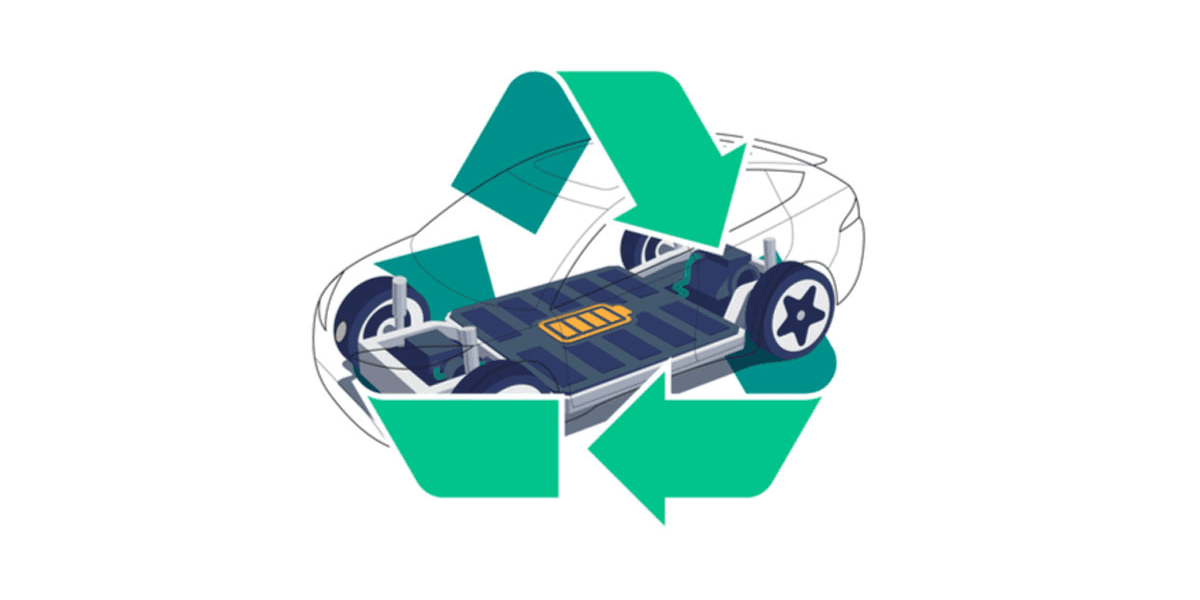
The U.S. Department of Defense has committed $1.4 billion in loan funding to Sila, a startup focused on advanced battery materials. This significant capital injection is designed to accelerate the manufacturing capacity of Sila’s silicon-carbon anode materials, which serve as a modern alternative to traditional graphite-based battery components. By strengthening domestic production, the Pentagon seeks to mitigate risks associated with the current battery supply chain, which is heavily concentrated in China. This move is part of a broader government strategy to secure critical material access for both automotive industries and defense applications, ensuring that key technologies are not subject to the volatility of international trade tariffs or geopolitical disputes that currently complicate global logistics.
Technological Advancements in Battery Anodes
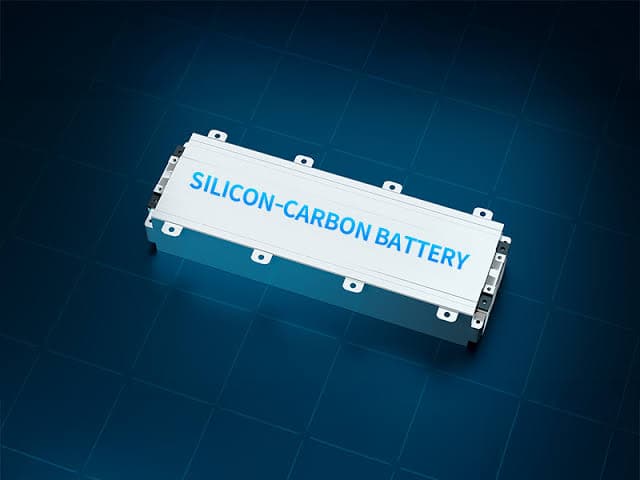
Sila’s proprietary silicon-carbon anode technology is positioned as a high-performance successor to conventional lithium-ion materials. Unlike graphite, which dominates the current market, silicon-based anodes provide significantly improved energy density, with the potential to store between 20% and 40% more electricity. This increase in energy capacity is crucial for various sectors, particularly in defense, where drones and other mobile platforms require lighter, more durable, and long-lasting power storage. By replacing graphite with their specialized material, Sila aims to provide a path toward smaller and more efficient battery cells. The company’s success in this niche has already attracted significant interest from automotive industry giants, including Panasonic and Mercedes, highlighting the broader market demand for higher-energy battery solutions.
Operational Scale and Growth
Located in Moses Lake, Washington, Sila’s production facility serves as a vital anchor for their domestic manufacturing operations. The plant, which became operational in September, currently manages an annual output of approximately 2 gigawatt-hours of anode material. However, the company is already engaged in an ambitious expansion project that intends to increase the factory's production capacity fivefold. Once completed, this upgrade will allow Sila to supply enough material for more than 100,000 electric vehicles annually. To support these capital-intensive growth efforts, the company recently secured $300 million in private funding in July from investors including Sutter Hill Ventures and Atreides Management, bringing their total private equity backing to over $1.5 billion according to PitchBook data.
Broader Defense Department Initiatives
The loan to Sila is not an isolated incident but part of a coordinated Department of Defense effort to shore up the domestic industrial base for high-tech components. Alongside the Sila agreement, the Pentagon announced investments in three other entities to diversify its supply chain. Sunrise Energy Metals, based in Australia, was granted a $400 million loan to facilitate the mining of scandium, a rare earth element essential for lightweight alloys. Meanwhile, Minnesota’s Niron Magnetics received $150 million to develop rare earth-free magnets intended for use in missiles, smartphones, and various electric motors. Additionally, Strategic Bauxite secured an $85 million equity investment from the government to support the mining of minerals containing aluminum, further signaling a multi-pronged commitment to securing essential resources for national defense and technology needs.
⚖ The Balanced View
Supporting view
Supporters note that silicon-carbon materials provide 20% to 40% more electricity than graphite, which is essential for developing lighter and more effective defense equipment.
Concerns & criticism
The industry faces significant headwinds due to its current reliance on a supply chain for graphite that is predominantly controlled by Chinese companies.
→What's next
Sila is expected to utilize the new capital to execute its fivefold expansion of the Moses Lake facility. The influx of Pentagon funding will likely serve as a bridge to secure new contracts with defense industry partners in addition to their existing commercial commitments.