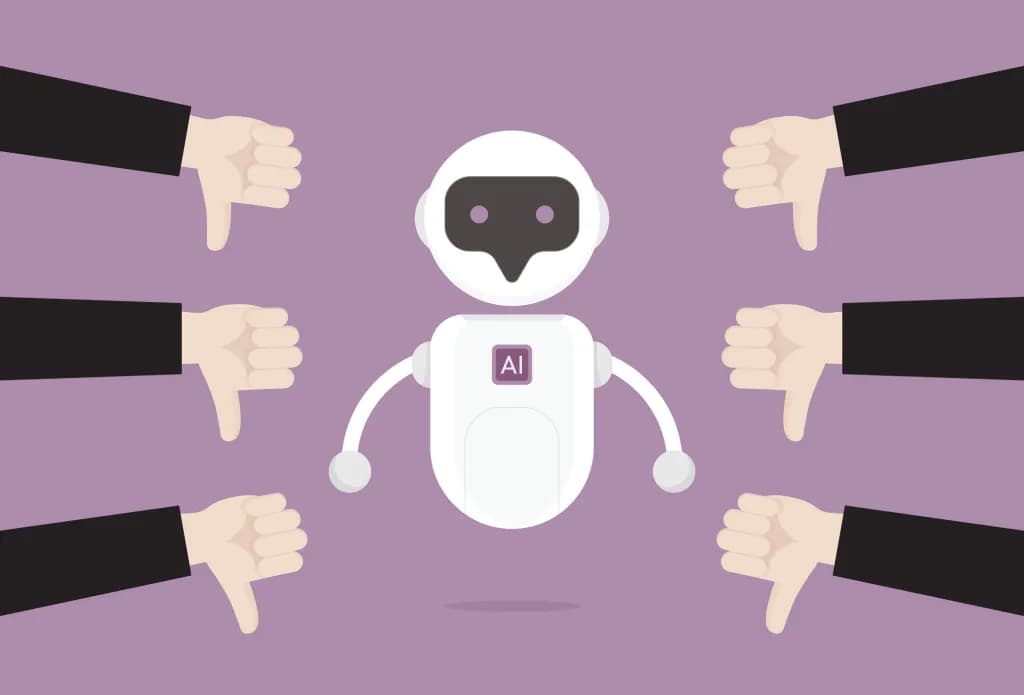

As AI-powered writing tools become ubiquitous, institutions are turning to AI detectors to verify human authorship, often resulting in false accusations and significant academic or reputational harm. Despite the widespread adoption of these tools, experts and developers frequently acknowledge their inherent limitations and susceptibility to false positives.
The Evolution of Academic Integrity Policing
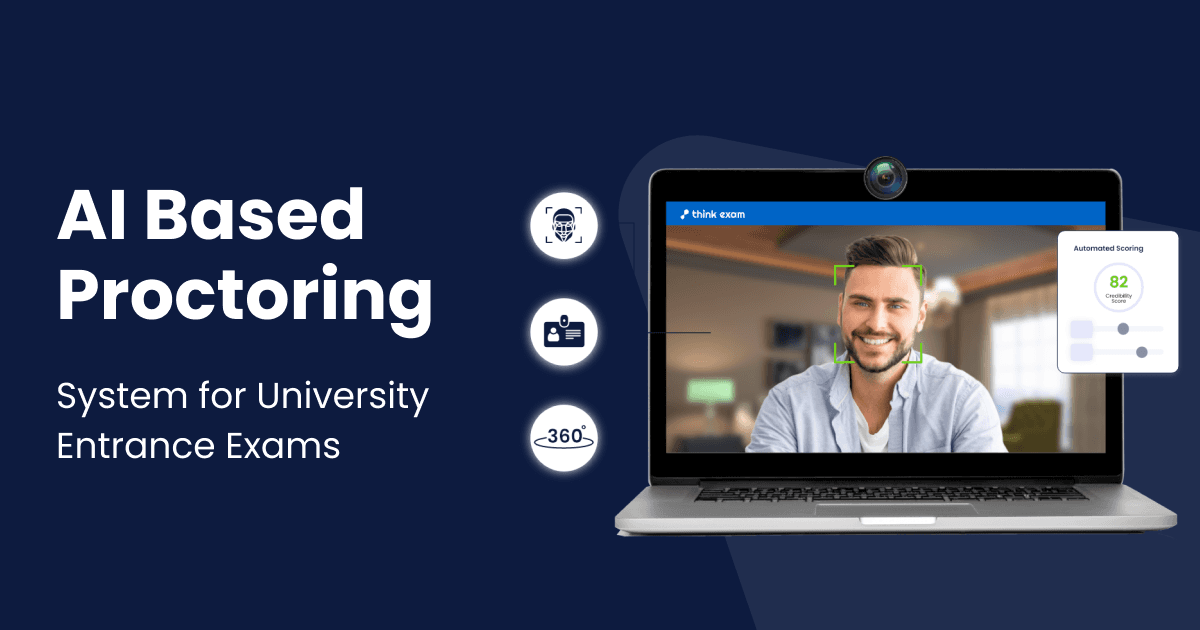
For years, educators relied on anti-plagiarism software to maintain academic standards by cross-referencing student submissions against vast databases of existing literature. This process, while established, frequently encountered friction regarding false positives and the nuance of duplicated phrases. The rapid emergence of generative AI platforms like ChatGPT and Google Gemini, however, has shifted the focus from simple text matching to intent-based surveillance. Because these new AI models generate unique content rather than copying existing text, schools have pivoted toward detection algorithms that claim to analyze the cadence, structure, and unpredictability of prose. According to data from the Center for Democracy and Technology, nearly half of middle and high school teachers in the United States adopted these detection tools within the 2024-2025 period. However, this transition to algorithmic 'guessing' has proven significantly more contentious than traditional anti-plagiarism measures, as the metrics used for detection—such as tone and sentence rhythm—are inherently subjective and difficult to verify.
Reliability Concerns and Demographic Bias
The central controversy surrounding AI detection tools involves their reported accuracy rates, particularly regarding non-native English speakers and neurodivergent individuals. A 2023 study by Stanford University highlighted that these detectors are more likely to misidentify essays written by non-native speakers as AI-generated. UCLA researchers have suggested that these models flag patterns common in non-native writing, such as repetitive sentence structures or specific phrasing choices, as machine-generated. This has led to high-profile legal consequences, including a lawsuit filed by a French student against Yale University after being falsely accused of using AI on an exam. While developers like Turnitin, GPTZero, and Pangram maintain that their false positive rates are extremely low—some claiming figures as small as 1 in 10,000—they simultaneously admit that their products are not foolproof. These internal disclaimers often contradict the high stakes associated with their usage, where an algorithmic flag can lead to severe penalties like failing grades or the loss of professional book contracts.
The Social and Professional Fallout
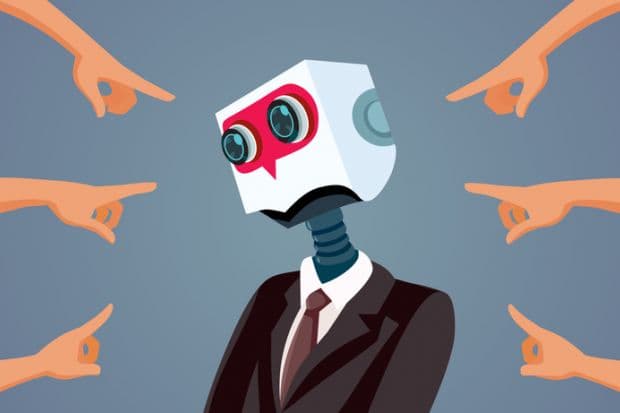
Beyond the classroom, the suspicion of AI usage has permeated professional journalism and social media, creating a climate of pervasive distrust. Influential figures and online platforms have begun weaponizing these detection results to publicly discredit writers. One notable incident involved Jack Osbourne accusing a journalist of using AI, citing results from a detector named Getsolved as definitive proof. Such accusations can have immediate, damaging effects on a person's career, as seen when the publisher Minotaur canceled a multimillion-dollar deal with an author based on similar allegations. The issue is compounded by platforms like Substack and LinkedIn, which have integrated detection features or buttons to report 'AI slop,' further encouraging users to act as investigators. This environment often ignores the nuanced reality that human authors may naturally utilize writing styles that an algorithm might deem 'robotic,' forcing many writers to find ways to certify their work as human-made via third-party badges.
Shifting Pedagogical Strategies
Given the persistent reliability issues, many prestigious academic institutions are opting to abandon these tools entirely rather than refine their usage. MIT, Georgetown, and Vanderbilt are among the universities that have restricted or fully disabled AI detection software, citing its fundamental inability to provide accurate results. Instead of turning to automated policing, these schools are advocating for a return to traditional assessment methods. Suggested strategies include requiring in-class assessments, breaking down large assignments into smaller, reflective milestones, and encouraging students to engage in deep reading exercises. Some institutions are even updating their policies to allow students to disclose AI assistance without fear of penalty, acknowledging that generative tools are becoming a standard part of the writing process. This shift represents a broader realization that detection is a losing battle and that the future of education may rely more on pedagogical adaptation than on trying to build a 'digital wall' against AI usage.
⚖ The Balanced View
Supporting view
Proponents of these tools, including some educators and publishers, utilize them as a necessary layer of oversight to maintain the perceived integrity of work in an era of easily accessible generative text.
Concerns & criticism
Critics argue that these tools function as 'black boxes' with high rates of bias, frequently targeting non-native English speakers and causing severe, often unjust, harm to individual reputations and livelihoods.
→What's next
Academic institutions will likely continue to move away from relying on automated detection as the primary means of ensuring integrity. Future efforts will likely focus on redesigning curricula to emphasize in-person evaluation and critical thinking, rather than attempting to filter AI-written content through fallible software.