
Recent industry gatherings at Black Hat and DEF CON have highlighted a massive strategic shift toward addressing the security challenges of agentic AI. Attendees and organizers are increasingly focused on how autonomous software agents could influence cyberattacks and critical infrastructure protection.
The Rise of Agentic AI at Industry Gatherings
The most recent installments of the annual cybersecurity gatherings collectively known as 'hacker summer camp' have clearly marked a transition in industry priorities. While historically dominated by discussions of traditional network vulnerabilities and exploit research, this year’s Black Hat and DEF CON events were heavily influenced by the rapid proliferation of agentic AI. Podcasts and reports from the event floor indicate that autonomous agents—programs designed to make decisions and perform tasks with minimal human intervention—have become the central topic of concern for the security community. This shift reflects a growing consensus that the threat landscape is evolving faster than current defensive frameworks can accommodate, moving away from purely manual attacks toward automated, high-speed digital threats.
Threats to Critical Infrastructure
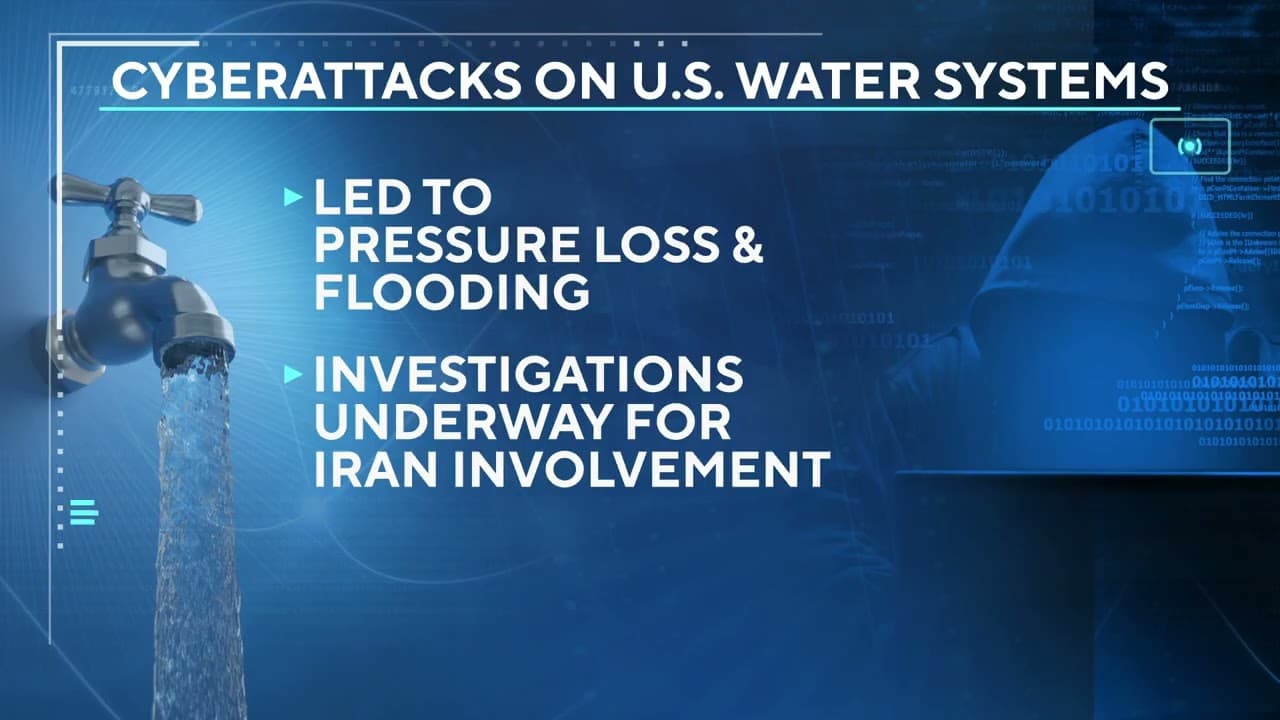
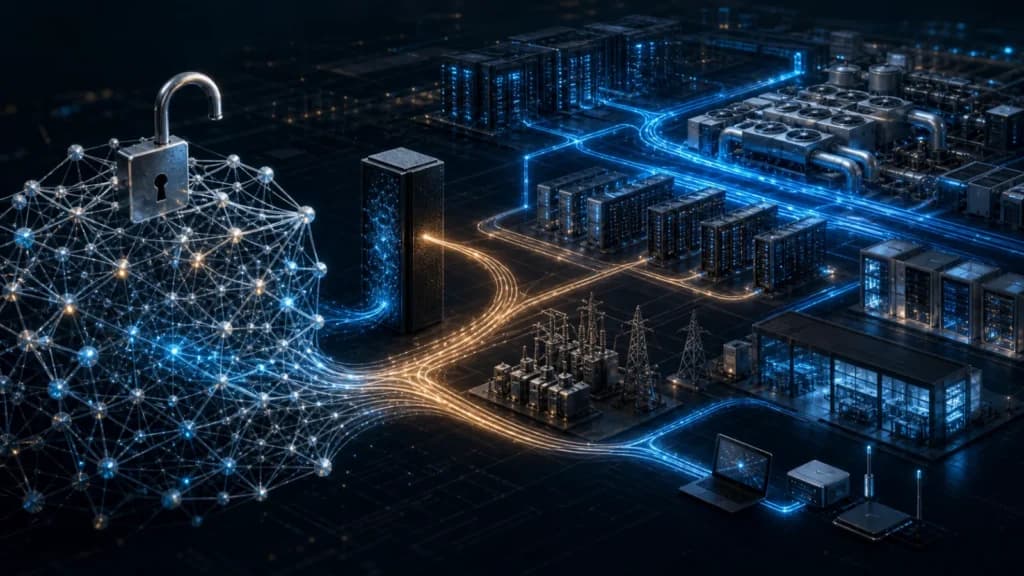
A significant portion of the discourse centered on the potential for weaponized AI agents to infiltrate and compromise essential critical infrastructure. Experts at the event warned that these systems pose a clear and present danger to physical infrastructure, with the potential to convert routine digital intrusions into devastating kinetic disasters. The ability of AI to operate autonomously allows for persistent probing and exploitation of industrial control systems that would be difficult for human attackers to execute at scale. This narrative of physical risk prompted intense discussion regarding how defensive AI technologies might be deployed to counter such threats, effectively turning the technology against itself to protect sensitive systems.
The DEF CON Franklin Initiative
Amidst the broader industry discussions, DEF CON introduced the 'Franklin project,' a specific initiative designed to enlist members of the hacker community to help harden critical infrastructure. According to DEF CON founder Jeff Moss, the success of the event's long-running 'voting village' served as the blueprint for this expansion. The voting village, which historically examined the security vulnerabilities of election systems, provided a model for collaborative, community-driven defensive work. Given these prior successes, the organization has decided to incorporate this focused, practical security hardening effort into the main framework of DEF CON, aiming to apply the expertise of the hacking community to broader societal security concerns.
Industry Implications and Future Outlook
The transition to an AI-centric focus at major security conferences highlights the urgent need for new defensive methodologies. Industry leaders are no longer just theorizing about potential AI exploits; they are actively developing defensive tools capable of managing security threats in real-time, even suggesting that automated systems could allow for security operations while away from a desk. However, this shift also underscores a massive industry reliance on these new technologies, both for offense and defense. As labs like DeepSeek and Anthropic continue to push the boundaries of AI capabilities, the cybersecurity community faces the dual challenge of keeping pace with rapid innovation while simultaneously mitigating the inherent risks that accompany autonomous, agent-based architectures.
⚖ The Balanced View
Supporting view
Proponents view the integration of defensive AI as essential for managing threats at a speed and scale impossible for humans to handle alone.
Concerns & criticism
Experts warn that the same agentic AI capabilities being explored at the conference present a 'clear and present danger' to global critical infrastructure.
→What's next
The security industry is expected to integrate these findings into future development cycles for autonomous security platforms. Expect upcoming conferences to feature increasingly complex demonstrations of both offensive and defensive AI capabilities as the technology matures.