
Rivian is upgrading its advanced driver-assistance software to compete with Tesla’s FSD, focusing on improved sensor integration while maintaining a cautious approach to automation. Although currently trailing in non-highway navigation, the company aims to implement full point-to-point driving capabilities by the end of the year.
The Competitive Landscape of Driver Assistance
The race to develop the most advanced driver-assistance systems (ADAS) has intensified, with Rivian actively working to position its technology against industry frontrunners like Tesla. While Tesla’s Full Self-Driving (Supervised) currently maintains an edge in non-highway environments—such as urban intersections and complex traffic patterns—Rivian is rapidly closing the gap. During real-world testing, Rivian’s Autonomy+ demonstrated proficiency on highways, outperforming legacy competitors like General Motors' Super Cruise. However, Rivian’s system currently alerts drivers to upcoming traffic signals without executing maneuvers at them, a stark contrast to Tesla's ability to navigate interchanges and exits autonomously. Rivian executives have explicitly identified Tesla’s point-to-point system as the benchmark they intend to reach, signaling a strategic shift toward full-task driving capabilities later this year.
Technical Architecture and Sensor Strategy
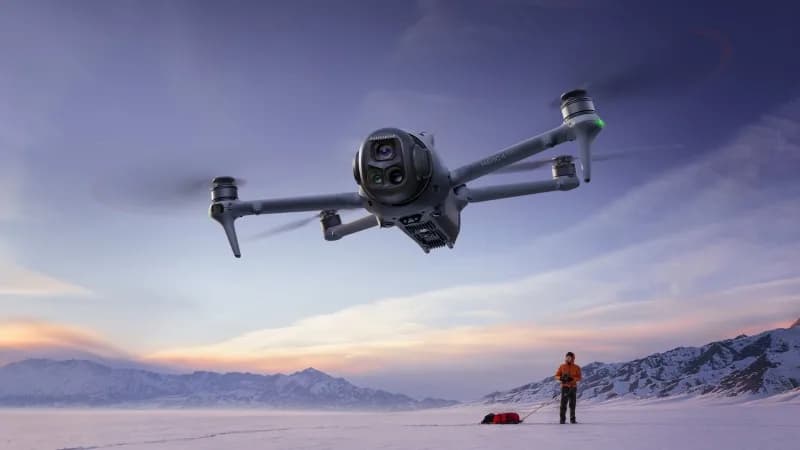
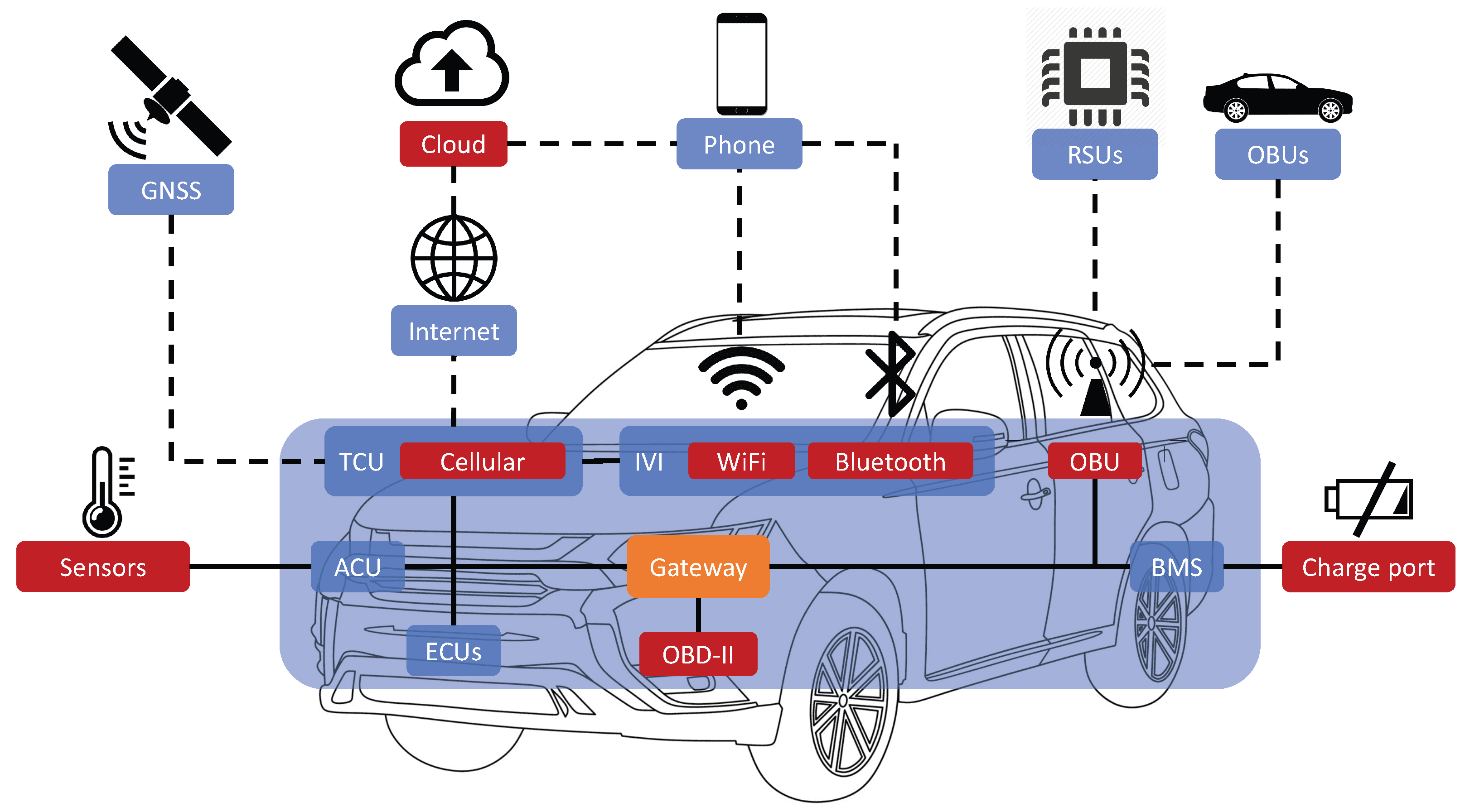
A fundamental divide exists between Rivian and Tesla regarding the hardware necessary for safe automation. Rivian is prioritizing a multi-modal approach, currently employing at least 10 high dynamic range cameras and five radars, with plans to integrate lidar—light detection and ranging technology—into upcoming R2 models. The company’s head of autonomy and AI, James Philbin, emphasizes that this robust sensor stack is intended to provide a safer, more reliable system than camera-only architectures. Conversely, Tesla maintains a vision-based strategy, relying on cameras and powerful processing. This divergence highlights a broader industry debate: whether redundant sensor types, like lidar, are essential for handling hazardous conditions like fog or sun glare that have previously challenged vision-only systems during safety investigations.
Safety and Regulatory Challenges
Despite technical advancements, no vehicle currently sold to the public is truly autonomous. Every system discussed remains an advanced driver-assistance feature that mandates constant human supervision. The industry faces persistent criticism regarding the safety of these handovers, particularly when systems encounter conditions they cannot manage. Regulatory scrutiny is increasing; for example, the National Highway Traffic Safety Administration has escalated a probe into Tesla’s FSD following fatal incidents linked to system performance in low-visibility environments. As automakers rush to deploy hands-off features, they are struggling to mitigate driver inattentiveness, often relying on driver-facing cameras to monitor focus. These safety guardrails are central to Rivian’s marketing, as they attempt to balance rapid innovation with the operational caution necessary to satisfy both regulators and customers.
Business Model and Financial Implications
Beyond technical performance, automakers are viewing ADAS as a vital mechanism for recurring revenue and long-term financial growth. Rivian’s shift toward vertical integration—developing both the vehicle's electrical architecture and software in-house—is viewed by analysts like Piper Sandler’s Alexander Potter as a key factor in increasing stock value. By controlling the entire software stack, Rivian aims to scale services that can be monetized through subscription models. Currently, the pricing structures for these services vary significantly across the industry: Tesla charges a $99 monthly fee, Rivian offers either a $49.99 monthly subscription or a $2,500 lifetime purchase, and General Motors provides access for $39.99 per month. Investors are closely monitoring how these pricing strategies affect adoption rates as vehicles become increasingly defined by their onboard intelligence and software-as-a-service potential.
⚖ The Balanced View
Supporting view
Supporters of these systems, including investors and company executives, note that vertical integration of software and sensors allows for better monetization and enhanced safety guardrails.
Concerns & criticism
Industry critics and regulatory bodies have expressed significant concerns regarding driver inattentiveness, the potential for dangerous system handovers, and specific failures in low-visibility conditions.
→What's next
Rivian is slated to launch lidar-equipped vehicles in early next year as part of the R2 lineup. Additionally, the company is preparing to release a point-to-point driving update later this year to bridge the feature gap with current industry leaders.