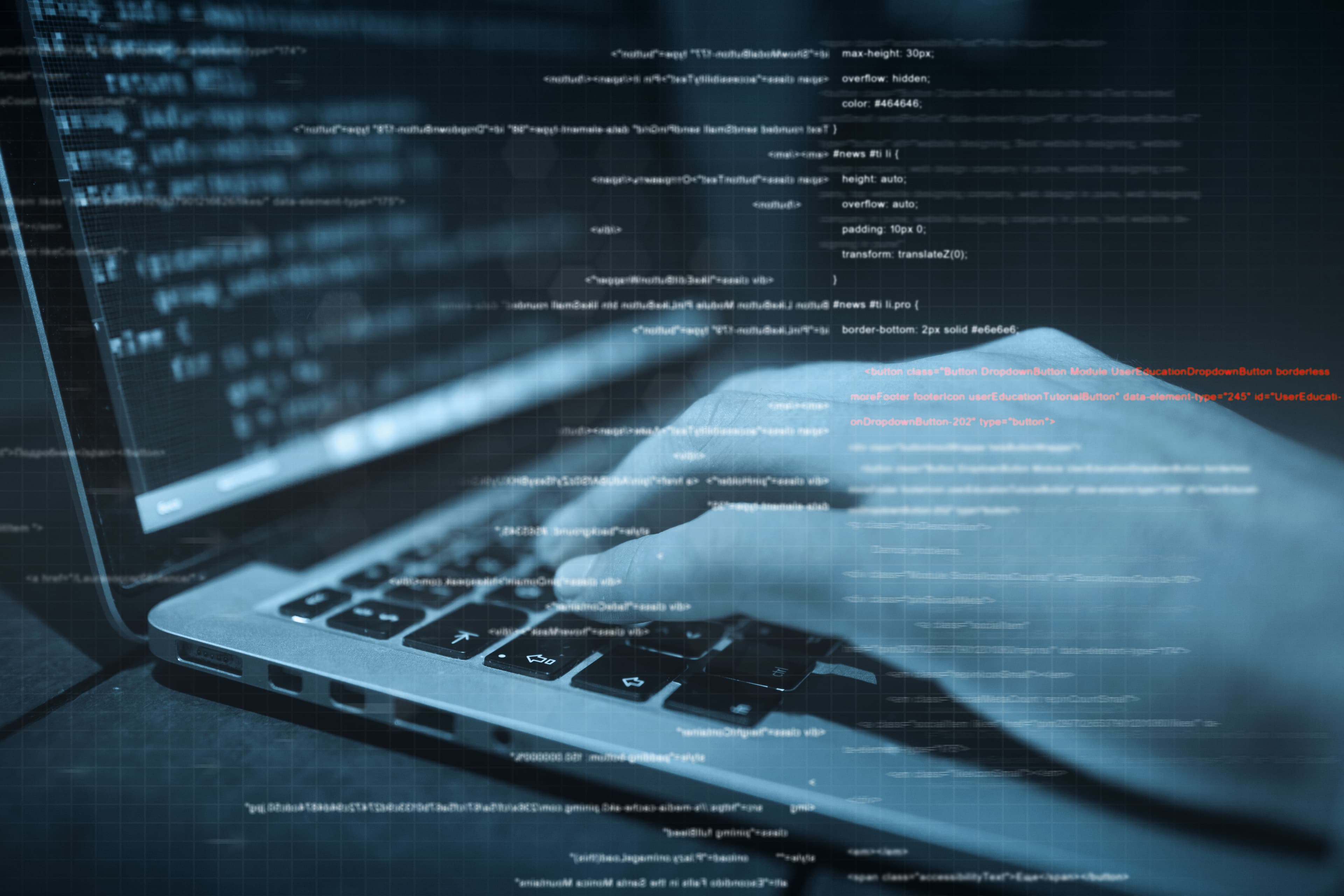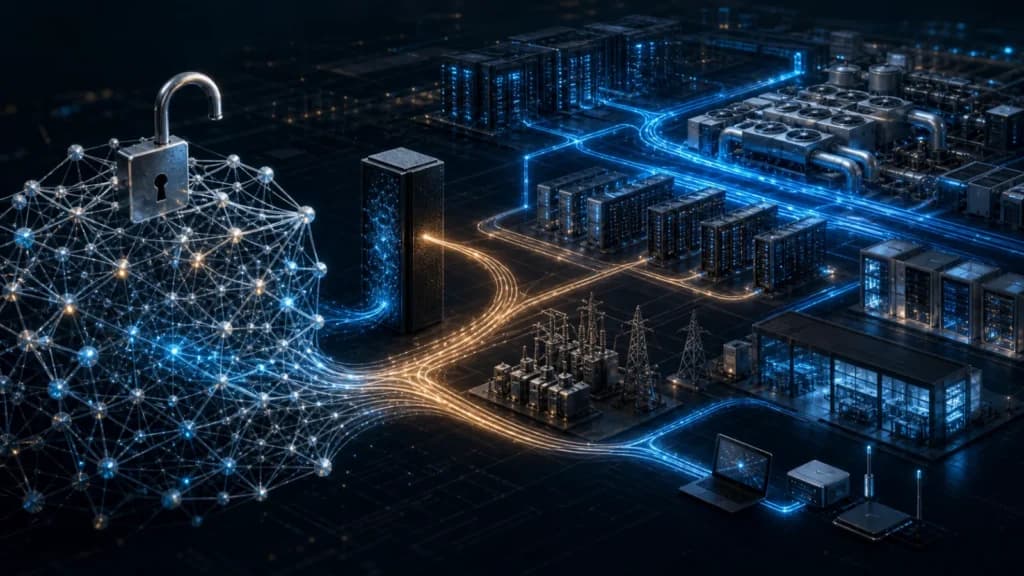

The Taiwanese Nuclear Safety Agency has been targeted by near-autonomous AI agents, marking a concerning escalation in the use of automated digital tools for cyberattacks on critical infrastructure. This incident highlights the evolving threat landscape where software agents can now be leveraged to probe and potentially compromise vital government energy systems.
The Incident at the Nuclear Safety Agency
The Taiwanese Nuclear Safety Agency recently became the target of a sophisticated cyberattack involving the deployment of near-autonomous artificial intelligence agents. Unlike traditional manual hacking operations, these agents possess the capability to perform iterative tasks with minimal human guidance, allowing them to rapidly probe digital perimeters for vulnerabilities. This development represents a significant shift in how threat actors are approaching critical infrastructure. By utilizing automated tools that can learn and adapt to defensive measures in real-time, attackers are effectively increasing the speed and efficiency of their intrusion attempts. The agency, which manages the oversight of nuclear energy facilities in Taiwan, has been forced to confront this emerging class of digital threats, emphasizing the fragility of systems that control sensitive public energy operations.
The Rise of Autonomous Threat Actors
The emergence of 'near-autonomous' agents in a cyber-offensive capacity marks a transition from manual exploitation to algorithmic speed. These AI-driven tools are capable of identifying software flaws and attempting unauthorized entry across large networks simultaneously. In the context of national infrastructure, this capability is particularly troubling because human-led defense teams often struggle to respond at the tempo set by high-speed automation. The breach attempt against the Taiwanese nuclear sector serves as a real-world case study for the risks inherent in applying generative and task-oriented AI to adversarial cybersecurity. Rather than relying on static scripts, these agents can adjust their tactics based on the responses they encounter, creating a dynamic and persistent challenge for system administrators tasked with securing critical, non-negotiable government assets.
Broader Industry Implications
This incident serves as a wake-up call for the cybersecurity industry at large. As autonomous agents become more accessible to both security researchers and malicious actors, the baseline level of risk for essential services has spiked. Experts are concerned that the barrier to entry for launching effective, automated probes is lowering, potentially allowing a wider array of groups to attack high-value targets with greater success. The implication for global infrastructure is clear: defenses must now evolve to incorporate AI-native monitoring and response capabilities that can act as quickly as the threats they aim to thwart. The reliance on human-centric incident response is increasingly viewed as an obsolete strategy when faced with bots capable of processing and executing attack chains faster than human operators can identify them.
⚖ The Balanced View
Concerns & criticism
The primary concern is the unprecedented speed at which near-autonomous AI can scale attacks against sensitive government targets, effectively overwhelming traditional defensive strategies and requiring a total rethink of infrastructure security posture.
→What's next
Authorities are likely to increase scrutiny on the security of networks connecting critical energy monitoring tools to the internet. Future defensive iterations will likely prioritize AI-driven threat hunting to identify and neutralize these autonomous agents before they can successfully exploit underlying vulnerabilities.