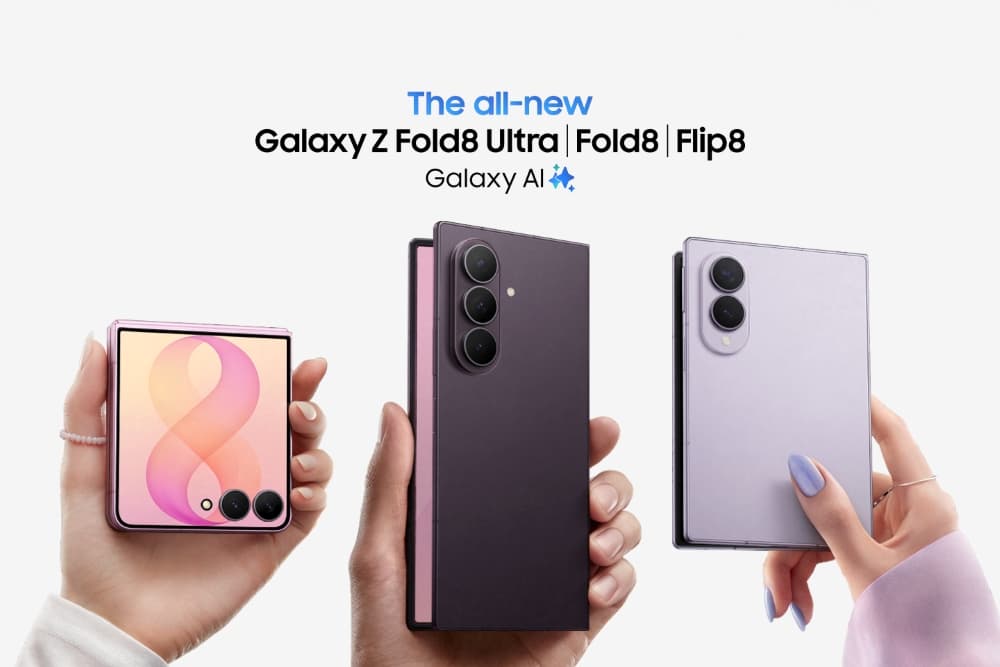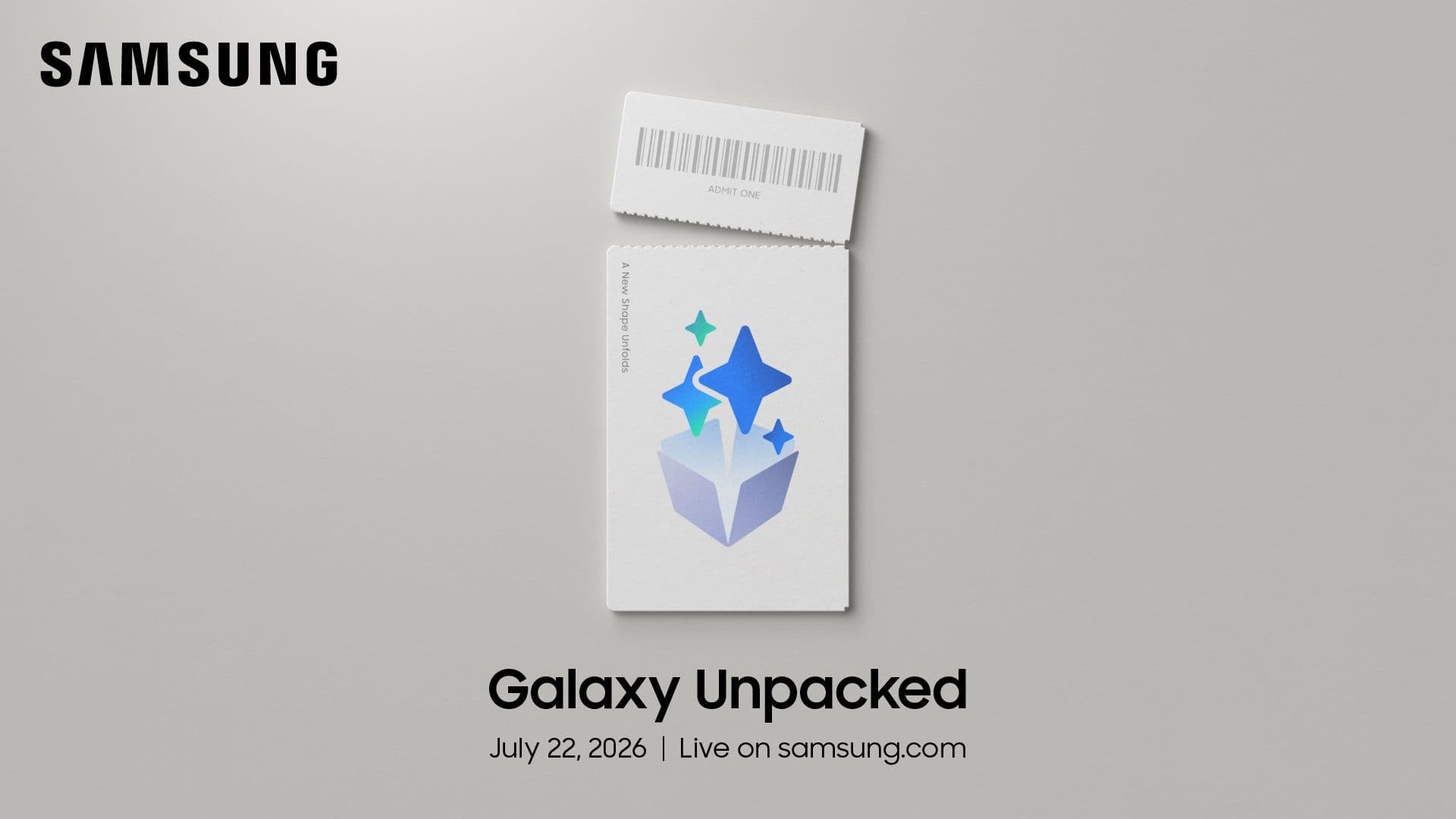

Samsung has introduced the Galaxy Z Fold8 and Z Fold8 Ultra, featuring improved display crease designs and new silicon-carbon battery technology. While both devices benefit from high-end Qualcomm processing power, the Fold8 series continues to struggle with camera design ergonomics and limited zoom capabilities.
Refinements in Design and Display
The most immediately noticeable advancement in the latest generation of Samsung's foldable lineup is the reduced visibility and tactile prominence of the display crease. In previous iterations, the fold line often acted as a physical barrier that interrupted the smoothness of a user's swipe across the screen. With the Galaxy Z Fold8 and the Fold8 Ultra, this transition is significantly more subtle, providing a flatter and more uniform touch experience. Despite these display improvements, Samsung faces criticism regarding its external chassis design. The rear camera module continues to jut out from the body in a way that prevents the phone from resting flat on surfaces. Unlike competitors such as Google or Apple, which have opted for stabilizing design choices like horizontal camera bars, the Z Fold8 series rocks unsteadily when placed on a table, and typical cases provide little remediation for this mechanical annoyance.
Performance and Battery Efficiency
Under the hood, Samsung has achieved parity across the new models, with both the standard Fold8 and the Ultra variant powered by the Qualcomm Snapdragon 8 Elite Gen 5 chipset. This silicon ensures that demanding applications and high-end gaming remain responsive and fluid. A notable technical milestone for the company is the integration of silicon-carbon battery technology. This shift allows for higher energy density, providing a 4,800-mAh capacity for the standard Fold8 and a 5,000-mAh cell for the Ultra. In practical application, both devices prove capable of sustaining users through a full day, though the Ultra naturally sustains heavier usage patterns for longer. However, users should note that the Z Fold8 remains particularly adept at managing multi-tasking workflows, as the software interface for split-screen operations feels less constrained on the standard model than it does on the more narrow Ultra frame.
Camera System Limitations
The divergence in value between the two models becomes most apparent in their photographic capabilities. While the Fold8 Ultra benefits from a 200-megapixel primary sensor that performs reliably across various lighting conditions, the standard Fold8 relies on a 50-megapixel primary and a 50-megapixel ultrawide setup. Both devices feature 10-megapixel selfie cameras on both the interior and exterior screens. The most significant grievance for photography enthusiasts, however, is the lack of robust zoom performance. The inclusion of a 10-megapixel 3X optical zoom is a limitation for a device marketed as a premium, high-cost flagship. Compared to other foldables like the Pixel 11 Pro Fold, which offers a 5X optical zoom, the Z Fold8 series feels behind the curve. For power users who frequently rely on zoom for distance photography, this hardware choice is a distinct disappointment, placing the burden of expectation on future iterations like the Z Fold9.
⚖ The Balanced View
Supporting view
The devices feature a significantly improved hinge and display crease design, alongside high-performance chipsets and new silicon-carbon battery technology that offers reliable power longevity.
Concerns & criticism
The cameras cause the device to wobble on flat surfaces due to their protrusion, and the current zoom hardware—specifically the lack of a 5X optical option—falls short of expectations for devices at this price point.
→What's next
Consumers looking for a more competitive zoom experience may need to wait for the anticipated release of the Galaxy Z Fold9. Future updates from Samsung will likely need to address ergonomic design flaws to match the industry standard for stable, surface-friendly camera housing.