
Meta and Nvidia have introduced new open-weight AI models to bolster the American open-source ecosystem and compete against proprietary rivals and Chinese AI developers. Meanwhile, Chinese tech giant Tencent reported a massive surge in infrastructure spending to support its own competitive AI and cloud services.
Strategic Shift Toward Open-Weight Models
This week, Meta and Nvidia took significant steps to invigorate the American open-weight AI landscape by releasing new models to the public. Meta introduced Muse Glimmer and announced that it would open the weights for its latest project, Muse Spark 1.2, under the leadership of Alexandr Wang. This pivot marks a strategic effort by Meta to regain favor with the developer community after previous iterations of its Llama model were met with lukewarm reception. Shortly after Meta’s announcement, Nvidia launched Nemotron 3.5 Lightning. Unlike some competitors, Nvidia emphasized that its offering is truly open-source, providing developers with access to the training datasets and techniques used to build the model. Both companies aim to provide domestic alternatives for enterprises and government agencies that may be wary of utilizing AI models developed in China.
The Competitive Landscape and National Security Concerns
The push for open-weight models comes as industry leaders grapple with the influence of Chinese AI labs, including Alibaba, DeepSeek, and Moonshot AI. Proponents of open AI, including Box CEO Aaron Levie and various tech consortium signatories, argue that withholding these tools would concentrate too much power within a small group of proprietary AI companies. They contend that open-weight models drive innovation, lower token costs, and strengthen American technological leadership. Conversely, critics express concern over the potential national security risks posed by foreign models and the practice of 'distillation'—a method for improving models that some characterize as intellectual property theft. Despite these tensions, industry analysts suggest that making these powerful tools available again could restore transparency and deployment flexibility for organizations that require domestic alternatives.
Tencent’s Infrastructure Spending and AI Monetization
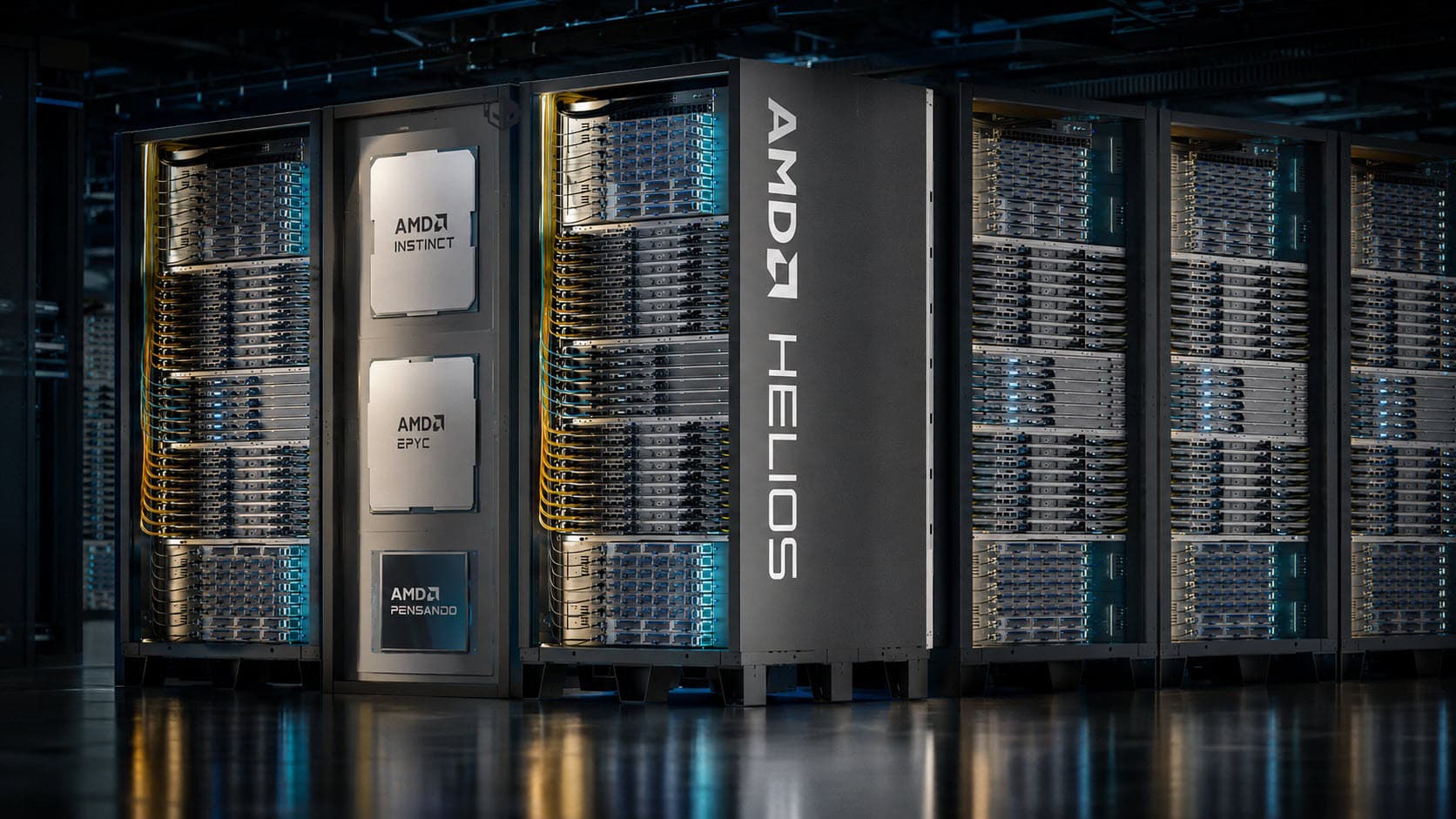
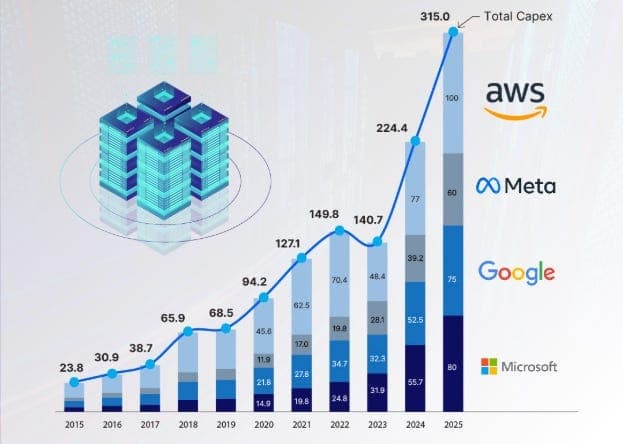
While American firms focus on open-weight releases, Tencent is heavily investing in proprietary AI and computing infrastructure to capture market share in China. The company reported a 65% increase in capital expenditures for the second quarter, totaling 52.8 billion yuan. Executives emphasized that this massive procurement of compute is essential for building their 'state-of-the-art' models and applications, which they believe will lead to superior economic returns in the long term. Tencent is also integrating AI into its core consumer services, including the testing of an AI assistant called Xiaowei within the WeChat ecosystem. Additionally, AI-driven advertising features contributed to a 22% year-over-year revenue growth in the company's marketing services division, demonstrating the tangible impact of these investments on their bottom line.
Industry Reactions and Market Headwinds
Meta's latest strategy is not without its skeptics. Umesh Sachdev, CEO of the business AI startup Uniphore, noted that some developers feel betrayed by Meta’s previous oscillation between open and proprietary models. He suggested that it will take more than high-level manifestos to rebuild trust within the developer community. Simultaneously, companies like Tencent are facing their own set of challenges, including intense domestic competition and a stock price that has declined 26% year-to-date. Investors are closely monitoring how these substantial capital expenditures will translate into sustainable profits as the company navigates a competitive market for both gaming and artificial intelligence. Whether these massive investments in compute capacity will yield the 'superior returns' Tencent executives promise remains a central question for shareholders amidst a period of rapid AI-driven expansion.
⚖ The Balanced View
Supporting view
Advocates argue that open-weight models foster competition, reduce token costs, and provide necessary domestic tools for major government and banking institutions.
Concerns & criticism
Critics raise alarms regarding the potential national security implications of foreign models and warn that distillation practices could facilitate intellectual property theft.
→What's next
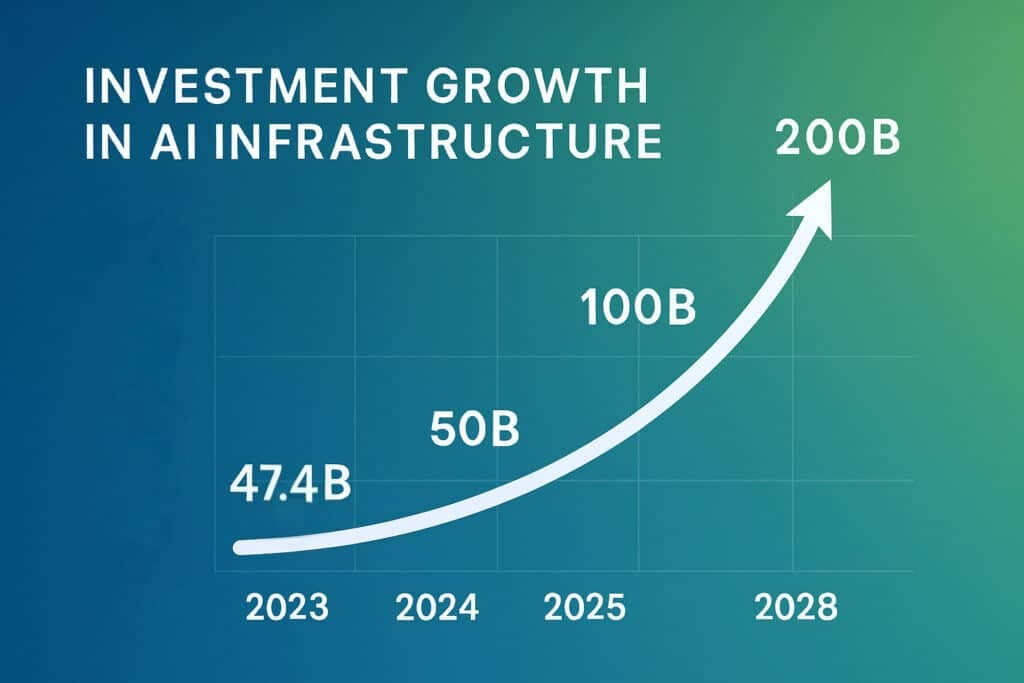
Tech giants will likely focus on proving the viability of their respective open-source ecosystems while balancing the need for monetization against growing developer distrust. Investors will continue to scrutinize the massive capital expenditures in AI infrastructure to see if they yield measurable revenue growth in the coming quarters.