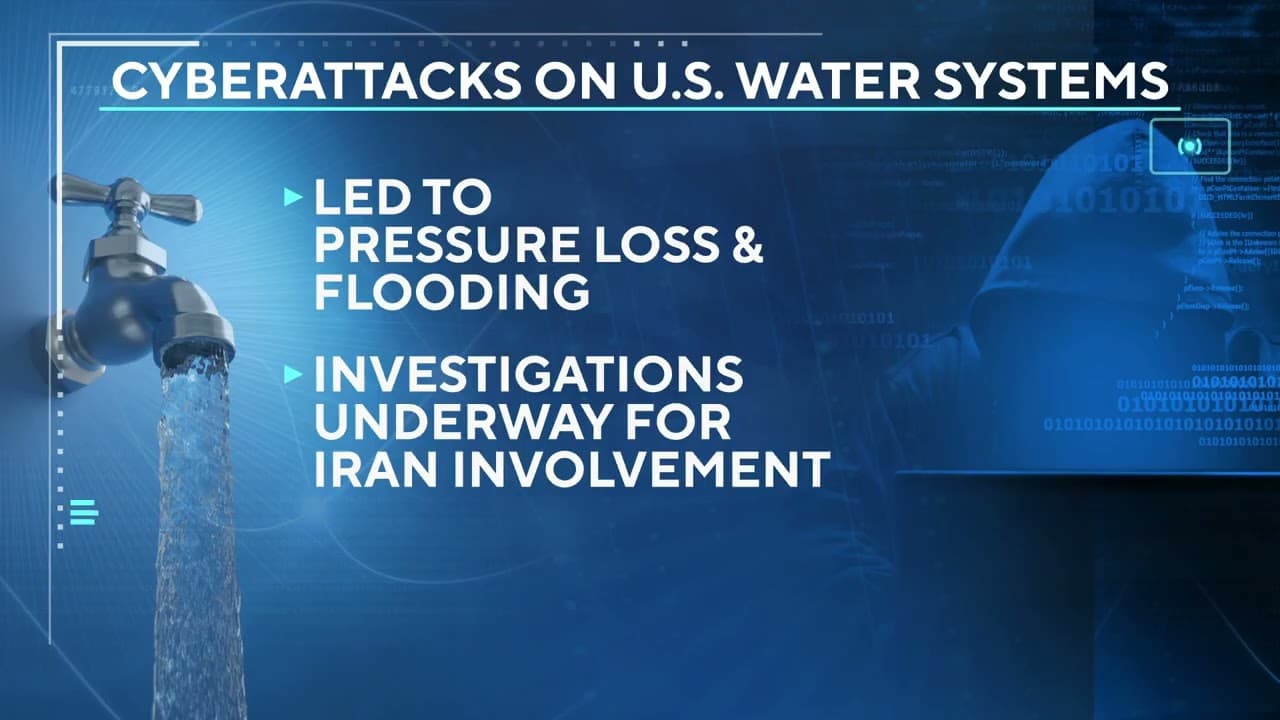

Water utilities in at least a dozen U.S. states have faced significant cyberattacks since late July, leading to operational degradation and localized safety warnings. Intelligence assessments suggest potential Iranian state-sponsored involvement, marking a concerning escalation in targeting critical public infrastructure.
Scope of the Infrastructure Incursions
Since late July 2026, the United States has grappled with a sophisticated wave of cyber incursions targeting critical water and wastewater infrastructure. The incidents were first publicly acknowledged by Minnesota authorities on July 28, when more than 30 communities reported coordinated disruptions. By the end of the month, the Federal Bureau of Investigation confirmed that utilities in at least seven states had experienced similar digital intrusions. As of mid-August, the geographic footprint has expanded to include facilities in Arkansas, Georgia, New Jersey, and Michigan. While the U.S. relies on a decentralized network of over 150,000 water systems, this scale of coordinated targeting is unprecedented, representing a shift from isolated, opportunistic attempts to a more systematic campaign that has successfully degraded actual water operations in several municipal settings.
Attribution and Intelligence Assessments
While the U.S. government has stopped short of an official public attribution, intelligence agencies reportedly possess high confidence that the Islamic Revolutionary Guard Corps (IRGC) is behind the operation. This assessment aligns with warnings previously issued by the Cybersecurity and Infrastructure Security Agency (CISA) regarding Iranian state actors targeting internet-connected industrial control devices within the water and energy sectors. The attribution process has been complicated by political friction, notably President Donald Trump’s public rejection of the Iranian connection, which he blamed on state-level governance. Despite these denials, nonprofit industry groups like WaterISAC have explicitly informed members that the ongoing disruptions mirror the specific campaign warnings circulated by CISA earlier this year. Intelligence officials remain cautious, however, as they continue to work toward identifying the exact sub-unit responsible for the attacks.
Operational and Safety Impacts
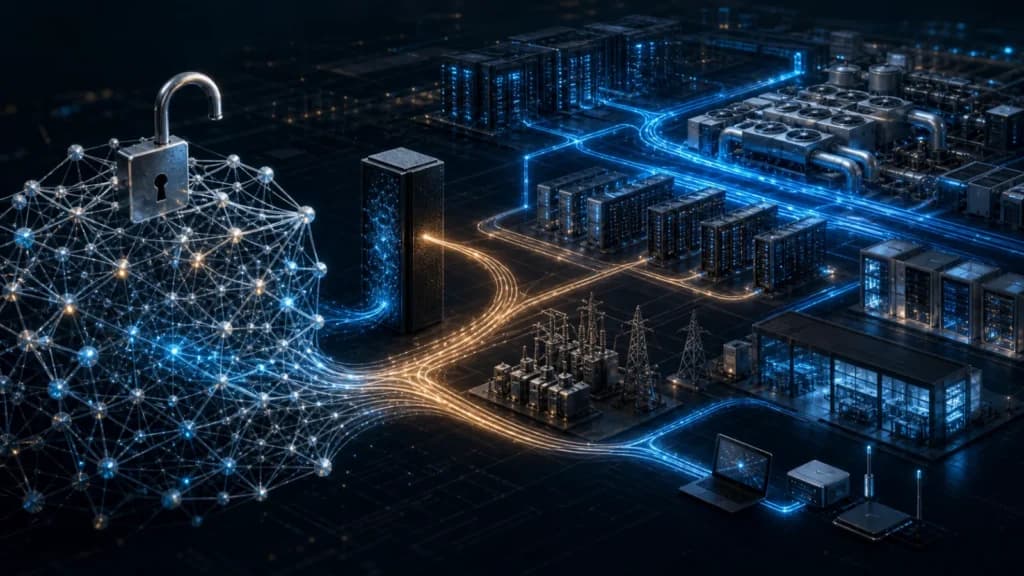
The technical vulnerability at the heart of these attacks stems from the prevalence of internet-exposed controllers within municipal utility systems. Cybersecurity firm Forescout recently identified over 2,800 such controllers accessible via the public web, providing a clear attack surface for persistent threats. The real-world consequences have been tangible: the FBI noted that several attacks led to a loss of water pressure, a condition that risks allowing untreated groundwater to infiltrate distribution pipes. In specific instances, the town of Braham, Minnesota, was forced to cease operations at its water plant, while nearby Maple Plain declared a state of emergency. Georgia authorities even issued precautionary boil-water advisories for residents in one county. Beyond the mechanical failures, officials are concerned about the psychological impact on the public, as the constant threat to essential services appears designed to instill widespread fear and distrust.
Historical Context and Escalation
The current campaign marks a sharp increase in the operational capabilities attributed to Iranian-linked hackers. Previously, Iranian cyber activity targeting American entities was largely characterized as sporadic or limited in success. Past incidents included disruptions caused by the hacktivist group Handala—linked by authorities to Iran’s Ministry of Intelligence and Security—which targeted medical technology firm Stryker and compromised the personal account of FBI Director Kash Patel. The transition from these niche, high-profile individual targets to broad-spectrum interference with critical utility infrastructure suggests a strategic shift. Observers posit that these actions may serve as a retaliatory measure regarding recent geopolitical conflicts. The ability to move from theoretical access to the actual degradation of life-sustaining services represents a significant hurdle for domestic cybersecurity defense and highlights the inherent risks of legacy utility systems that lack modern, robust security perimeters.
⚖ The Balanced View
Supporting view
Supporters of official U.S. security assessments, including members of the intelligence community and WaterISAC, maintain that the evidence of Iranian involvement is consistent with known hacking tactics and prior government intelligence warnings.
Concerns & criticism
President Donald Trump has publicly expressed skepticism regarding the attribution to Iran, suggesting that the reported cyberattacks may be a local or political issue rather than a foreign state-sponsored operation.
→What's next
Government agencies are expected to continue analyzing the breach patterns to harden critical infrastructure against further unauthorized access. It remains to be seen if the administration will formalize the attribution to the IRGC as intelligence units complete their investigation into specific responsible actors.