
An open-source AI development utility called LiteLLM was compromised, leading to a large-scale exfiltration of sensitive access tokens from over 2,500 major organizations. The breach originated from an upstream attack on a vulnerability scanner and was orchestrated by a group known as TeamPCP.
Scope of the Data Breach
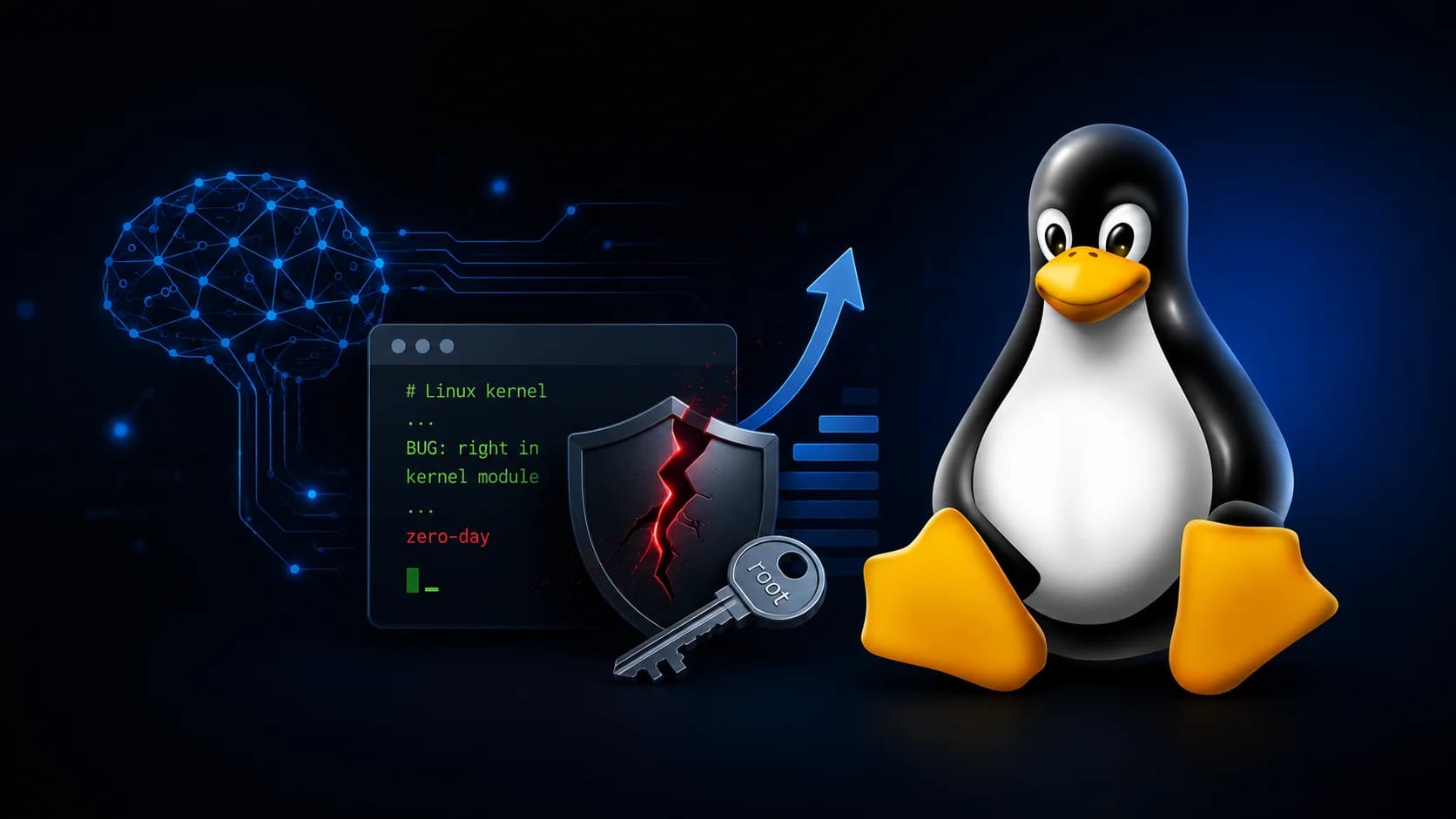
The security incident centered on LiteLLM, a widely utilized open-source project designed to simplify AI application development. By injecting malicious code into the package, attackers were able to siphon a vast array of authentication secrets during a brief 40-minute window in March. The types of data compromised are extensive, including cloud access keys, repository tokens, Kubernetes secrets, SSH keys, environment variables, and specialized keys for various AI service providers. Security research firms CloudSEK and Hudson Rock revealed that this breach impacted more than 2,500 organizations globally. Among those identified as victims are some of the world’s most prominent tech and enterprise companies, such as Microsoft, Amazon, Cisco, Samsung, and Salesforce, highlighting the severe implications of vulnerabilities within the software supply chain.
Technical Origins and Propagation
The compromise of LiteLLM did not occur in isolation but was part of a larger, systemic campaign targeting developer tools. According to security analysis, the attack vector was secondary, originating from a successful compromise of Trivy, a popular vulnerability scanner used in DevOps pipelines. By poisoning the supply chain at this foundational level, attackers were able to propagate malicious code to downstream dependencies and tools. Beyond LiteLLM, the campaign impacted other prominent software, including the Telnyx Python SDK and the infrastructure configuration tool KICS. The discovery of this wide-reaching campaign was facilitated by Hudson Rock’s analysis of a massive 195TB data set, which provided evidence of the credentials harvested during the short duration when the malicious versions of these packages were hosted on the Python Package Index.
The Rise of TeamPCP
Responsibility for this expansive campaign has been attributed to a group known as TeamPCP. While the group is described as consisting largely of teenagers, researchers have warned that their technical capabilities are significant and should not be underestimated. The gang has openly taken credit for the operation, a claim that has been corroborated by multiple security experts, including independent researcher Kevin Beaumont. Beaumont confirmed that the leaked data is legitimate, noting that he observed verified sensitive content belonging to multiple organizations within the stolen files. This incident serves as a stark reminder of how young, motivated groups can exploit lax security practices to conduct large-scale cyber espionage, particularly when organizational focus shifts toward the rapid deployment of artificial intelligence at the expense of established, secure DevOps procedures.
Broader Security Implications
The LiteLLM breach underscores a growing vulnerability in modern software engineering: the over-reliance on third-party, open-source libraries that are not always scrutinized for security integrity. Industry experts have pointed out that the incident is less a reflection of inherent flaws in AI technology itself and more a failure in foundational DevOps security. As organizations rush to integrate AI models into their workflows, they often bypass rigorous security vetting processes for the tools enabling those models. When these foundational developer tools are compromised, the ripple effect is immense, granting attackers an immediate, automated foothold into the sensitive infrastructure of thousands of companies simultaneously. The event highlights an urgent need for companies to adopt more robust auditing of their software dependencies to prevent the massive data exfiltration events that have become increasingly common in the modern supply chain landscape.
⚖ The Balanced View
Concerns & criticism
Independent security researchers warn that the incident highlights how poor DevOps security practices and a rush to implement AI tools have created massive, systemic gaps that are easily exploited by highly capable, albeit young, threat actors.
→What's next
Organizations that utilize the affected packages should immediately audit their environment variables and rotate all cloud, API, and SSH credentials that were potentially exposed. Further investigation is likely to focus on tightening security requirements for repository managers to prevent future instances of poisoned package distribution.