
Criminal organizations are increasingly using violent tactical maneuvers to hijack semi-trucks carrying expensive AI hardware after neutralizing private security escorts. These incidents represent a shift toward highly coordinated, high-stakes theft within the logistics industry.
Escalating Tactics in Freight Theft
Consultant and former law enforcement detective Gerardo Pachuca reports that cargo thieves are adopting aggressive, violent tactics to intercept shipments of AI infrastructure. In two distinct recent incidents, thieves targeted trucks traveling from Silicon Valley to Southern California that were under the protection of private security escorts. The criminals reportedly neutralized these escorts using high-risk maneuvers, such as performing PIT maneuvers—intentionally forcing the vehicle into a tailspin—or using hit-and-run collisions to disable escort vehicles. Once separated from their security, the trucks reportedly diverted from their planned routes and vanished. While no injuries were reported, industry experts believe these heists suggest that the truck drivers themselves may be complicit in the schemes. These incidents are seen as a dangerous evolution of freight crime, shifting away from simple theft toward targeted, coordinated assaults on high-value logistics supply chains.
The Rise of AI Hardware as a Commodity
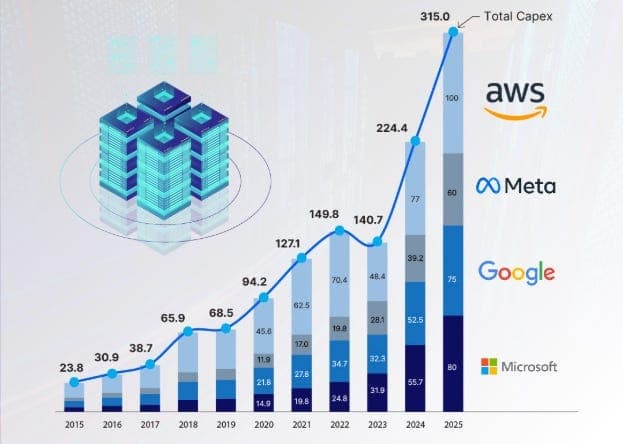
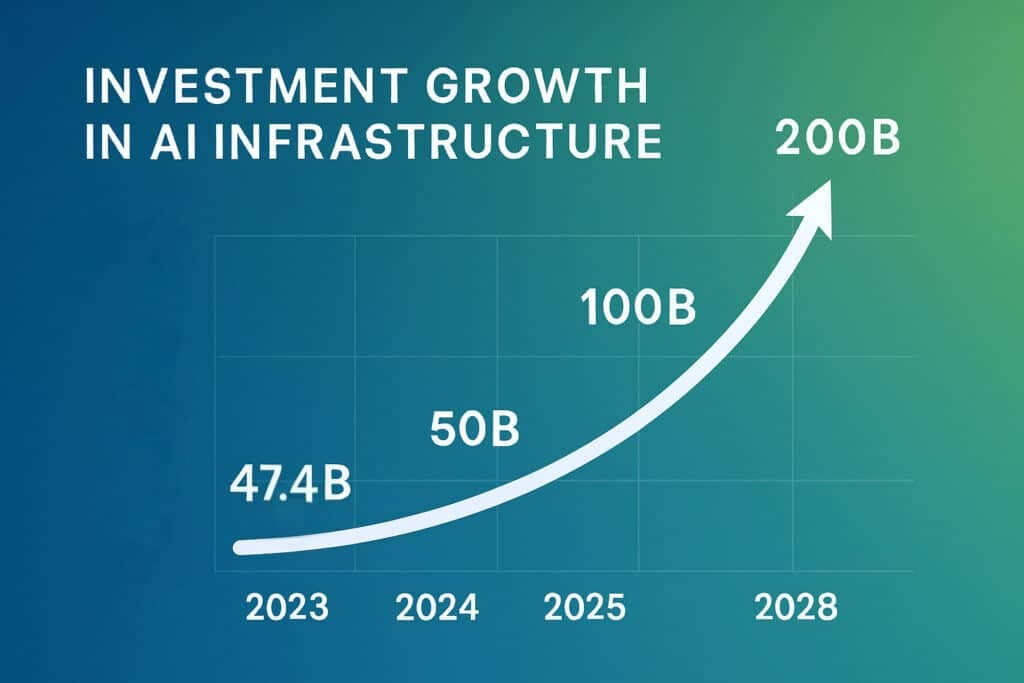
The booming artificial intelligence sector has transformed data center components into a lucrative target for criminal syndicates. While overall cargo theft statistics from Verisk CargoNet showed a 26 percent decline in incident volume last quarter, the actual financial value of stolen goods has surged by more than double. Criminals are focusing on enterprise-grade networking equipment, specialized cooling hardware, and high-end computer chips. The financial disparity between these items and standard shipping security profiles makes them attractive targets for organized crime. Beyond anecdotal reports from investigators, law enforcement has successfully recovered millions in stolen gear, including a $4 million seizure of cooling equipment in Southern California and $2.2 million in server switches manufactured by Celestica for Meta. These recoveries highlight the massive scale of the black market for data center infrastructure.
Systemic Vulnerabilities in Logistics
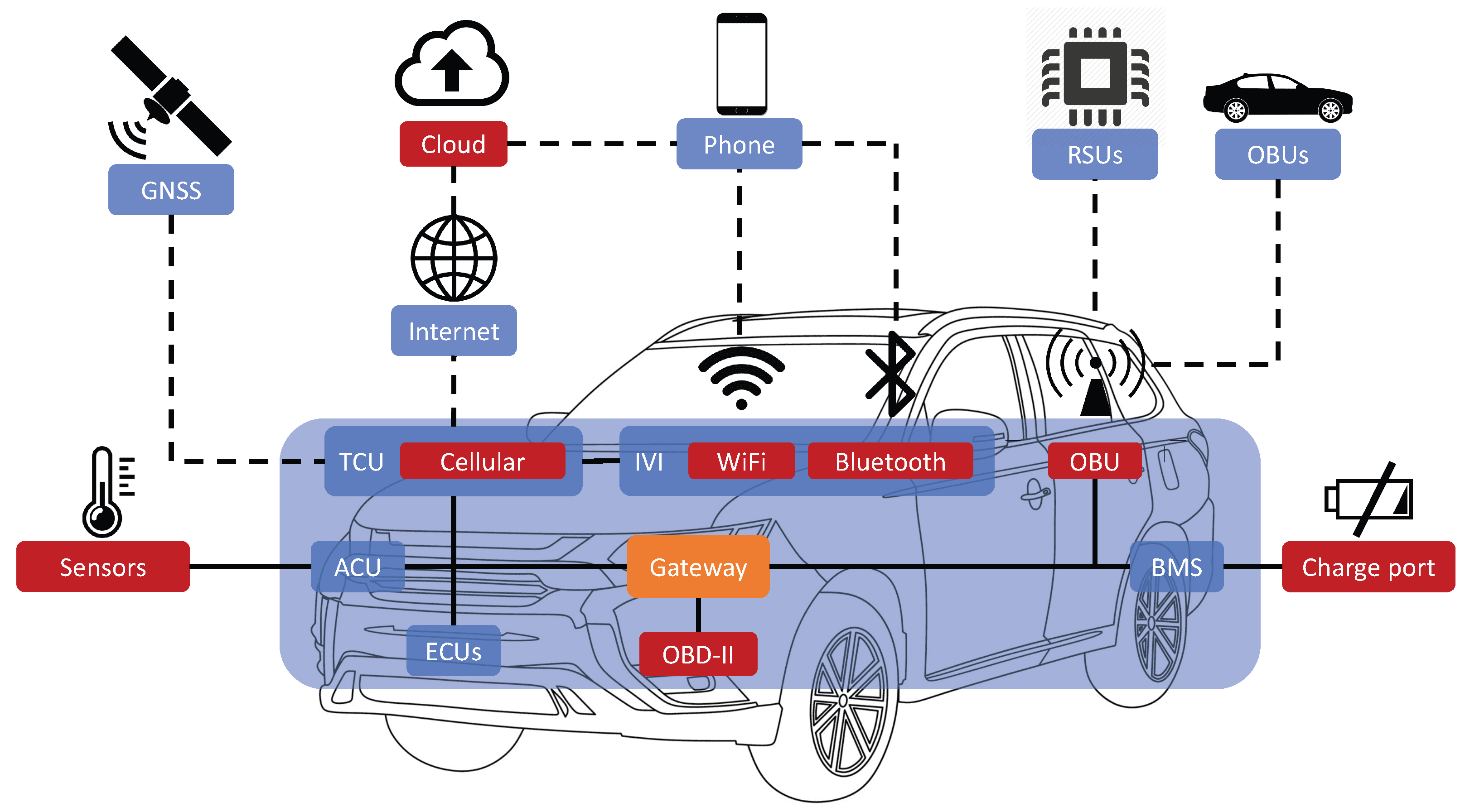
Most modern cargo heists rely on deep-seated vulnerabilities in the trucking industry’s digital and regulatory framework rather than physical force. Because the logistics market is highly fragmented, criminal groups frequently use social engineering to hijack the identities of legitimate trucking companies. By phishing for login credentials or illegally purchasing established motor carrier numbers, thieves pose as authorized carriers to secure valuable contracts. Once they gain access to a load, they may spoof or disable onboard GPS trackers to evade monitoring. These techniques allow criminals to operate with an appearance of legitimacy until the theft is discovered. Industry professionals, including those at FLS Transportation Services, indicate that internal employee training is the primary defense, yet even experienced logistics firms struggle to identify these sophisticated impostors daily.
Industry Response and Mitigation
The escalation in violent cargo theft has forced freight operators to reevaluate their security postures and insurance coverage. Private escort companies, such as Solutions Group International, have seen demand for their services rise throughout the year, rather than just during peak shopping seasons. Companies are currently developing new tactical protocols, including instructions for security personnel to immediately contact law enforcement at the first sign of suspicious activity. Furthermore, federal regulators are attempting to curb identity-based fraud through the new MOTUS system, which aims to improve the management of motor carrier registrations and verify the legitimacy of shipping participants. Despite these efforts, some firms have been forced to change insurance providers or distribute high-value loads across multiple trailers to mitigate potential losses. Industry leaders warn that without more robust verification standards, the cycle of high-stakes theft and loss is likely to continue.
⚖ The Balanced View
Supporting view
Supporters of increased security measures argue that private escorts are the most effective deterrent, with some firms protecting thousands of shipments over several years without a single loss.
Concerns & criticism
Industry concerns include the high cost of insurance premiums and the fear that reporting thefts will lead to massive increases in future coverage expenses, leading some firms to under-report criminal activity.
→What's next
Regulators and freight industry leaders are expected to continue promoting the adoption of the MOTUS system to verify motor carrier identities. Future investigations into these coordinated heists will likely focus on cracking the encrypted communication channels used by criminal organizations to orchestrate these multi-vehicle maneuvers.