
The S&P 500 reached record highs this week, buoyed by moderate inflation reports and significant new financing strategies from Intel and Nvidia aimed at supporting the artificial intelligence sector. These developments signal growing investor confidence in compute hardware as essential, long-term infrastructure.
Market Performance and Economic Context
Last week saw notable movement on Wall Street as both the S&P 500 and Nasdaq secured their third consecutive winning weeks, despite a slight decline on Friday. A significant milestone occurred during Thursday's session, with the S&P 500 trading above 7,800 points for the first time in history before ultimately closing at a record high. Conversely, the Dow Jones Industrial Average did not mirror this growth, experiencing a weekly loss of approximately 0.6%. This market activity occurred against a backdrop of easing inflationary pressures, which investors believe provides the Federal Reserve with the flexibility to pause interest rate hikes. According to the CME Fed Watch tool, the likelihood of the Fed maintaining its current benchmark rate at the upcoming September meeting climbed to 67%, up from 55% the previous week.
Intel's $20 Billion AI Infrastructure Commitment
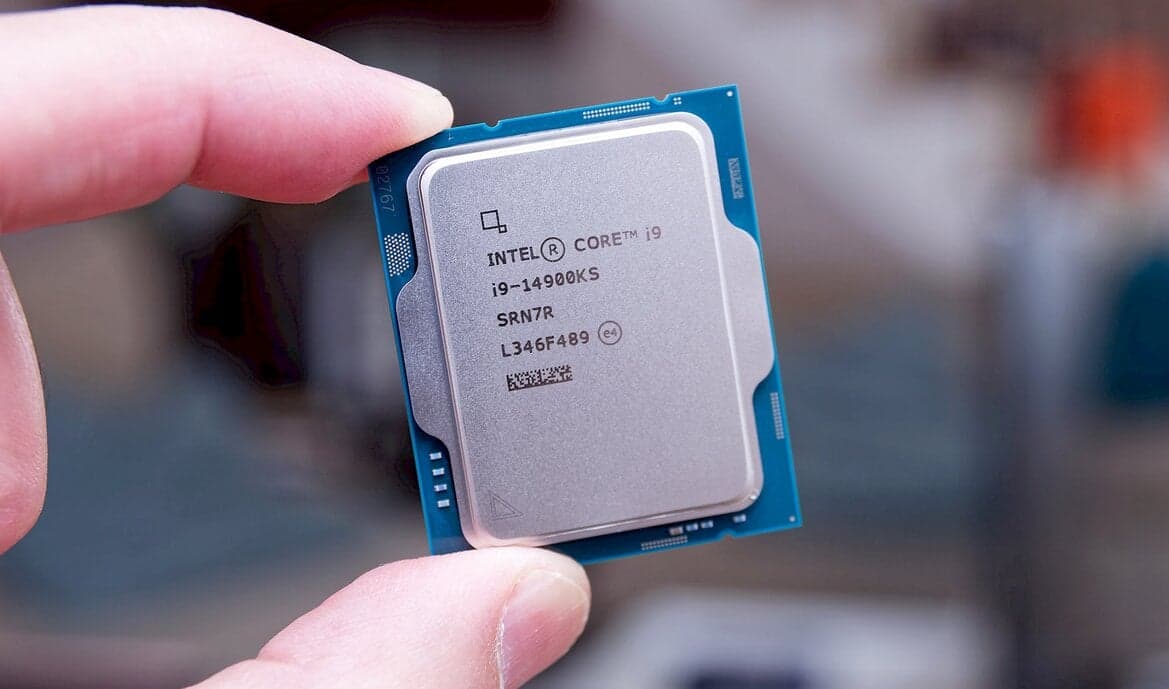
Chipmaker Intel made headlines by significantly expanding its capital raise to $20 billion, an increase from its original plan to sell $15 billion in common stock. While the announcement initially caused the company's shares to dip 4% on Monday, management framed the move as a necessary step to fund the expensive expansion of semiconductor manufacturing capacity. CEO Lip-Bu Tan demonstrated personal conviction in the strategy by agreeing to purchase $12 million worth of the new stock alongside a family member, a move interpreted by market observers as a sign of executive alignment with long-term growth. The strong reception of this offering, which helped drive shares up roughly 1% by the week's end, underscores the market's appetite for companies aggressively positioning themselves for the ongoing AI buildout.
Nvidia's Asset Class Transformation
Nvidia has entered into a strategic collaboration with six major asset managers—Apollo Global Management, Blackstone, BlackRock, Brookfield Asset Management, KKR, and Goldman Sachs—to launch a $500 billion financing initiative. This platform is designed to provide financing to Nvidia customers, essentially treating graphics processing units (GPUs) as long-lived, revenue-producing infrastructure rather than rapidly depreciating hardware. This shift is critical to the broader AI economy, as it allows for the monetization of compute power as a reliable asset class. Evidence supporting the durability of these chips came from CoreWeave, which reported that their older Nvidia hardware continues to provide utility for longer than previously anticipated. This trend is expected to lower the barrier to entry for firms looking to acquire high-performance compute infrastructure.
Broader Industry Implications
The week's developments suggest a pivot in how the financial sector interacts with artificial intelligence hardware. By moving from purely speculative equity investment to structured debt and asset-based financing, Wall Street is signaling that AI compute is no longer a fringe technology but a foundational pillar of modern infrastructure. Facilitators such as Goldman Sachs played a pivotal role in the week's transactions, managing both the Intel capital raise and the Nvidia financing initiative. Furthermore, this trend has encouraged investors to look deeper into the supply chain, with interest expanding toward memory chip manufacturers like Micron. As compute becomes integrated into the core architecture of the economy, the transition from hardware as a volatile expense to hardware as a financeable utility appears to be gaining significant institutional momentum.
⚖ The Balanced View
Supporting view
Proponents argue that Intel's massive capital raise and Nvidia's financing initiative represent essential steps to legitimize AI hardware as a stable, long-term asset class that produces predictable cash flows.
Concerns & criticism
Skeptics have historically questioned the viability of financing GPUs, citing their nature as rapidly depreciating technology that may not hold sufficient residual value to secure large-scale debt instruments.
→What's next
Investors will likely monitor the Federal Reserve's September meeting closely to see if current inflation trends allow for the expected interest rate stability. Simultaneously, market analysts will observe how the newly announced financing platforms affect the ability of companies to scale their AI operations in the coming quarters.