
Twitch has introduced a new privacy setting allowing content creators to opt out of having their streams and videos utilized for training Amazon’s generative AI models. This change follows significant backlash from the creator community regarding the default use of their content for machine learning purposes.
Introduction of the Opt-Out Setting
Twitch has officially rolled out a feature within its account settings that permits streamers to decline the use of their content for training artificial intelligence models developed by Amazon, the platform's parent company. Users can access this control by navigating to the 'Security and Privacy' section within their account dashboard on either the website or the mobile application. Once there, they can locate the 'Generative AI Training' toggle to prevent their videos, streams, and posts from being ingested into Amazon's training data. This update arrives amid growing scrutiny regarding data privacy and the intellectual property rights of creators whose work is essentially being repurposed to refine complex computational systems.
Contextualizing the Creator Backlash
The introduction of this setting was prompted by a wave of public resistance, with over 16,000 creators voicing opposition in online forums against the silent, default utilization of their content for AI development. The shift was explained during a livestream hosted by Twitch’s head of community, Mary Kish, who acknowledged the likely negative sentiment from users. Twitch’s head of product, Mike Minton, offered a blunt justification for the prior default status, suggesting that if participation were not opt-out by default, the platform would not have secured enough data to be useful. Minton further argued that the extraction of publicly available online content for model training is likely standard industry practice across all major technology firms, often occurring regardless of explicit user permission.
Limitations and Data Usage Policy
While the new toggle is designed to stop training for general generative AI, Twitch has clarified that it does not serve as a total restriction on data usage. The platform maintains that it and Amazon retain the right to utilize channel content for other functions outlined in its Privacy Notice, such as monetization support, sponsorship assistance, community safety initiatives like AutoMod, and viewer recommendation algorithms. Twitch’s Terms of Service, which have been in place since March 2024, already provided the company with broad permissions to reproduce, adapt, and distribute user content. However, the lack of explicit language regarding generative AI training prior to this update has fueled questions about the transparency of the company's data practices.
Industry Trends in AI Data Scarcity
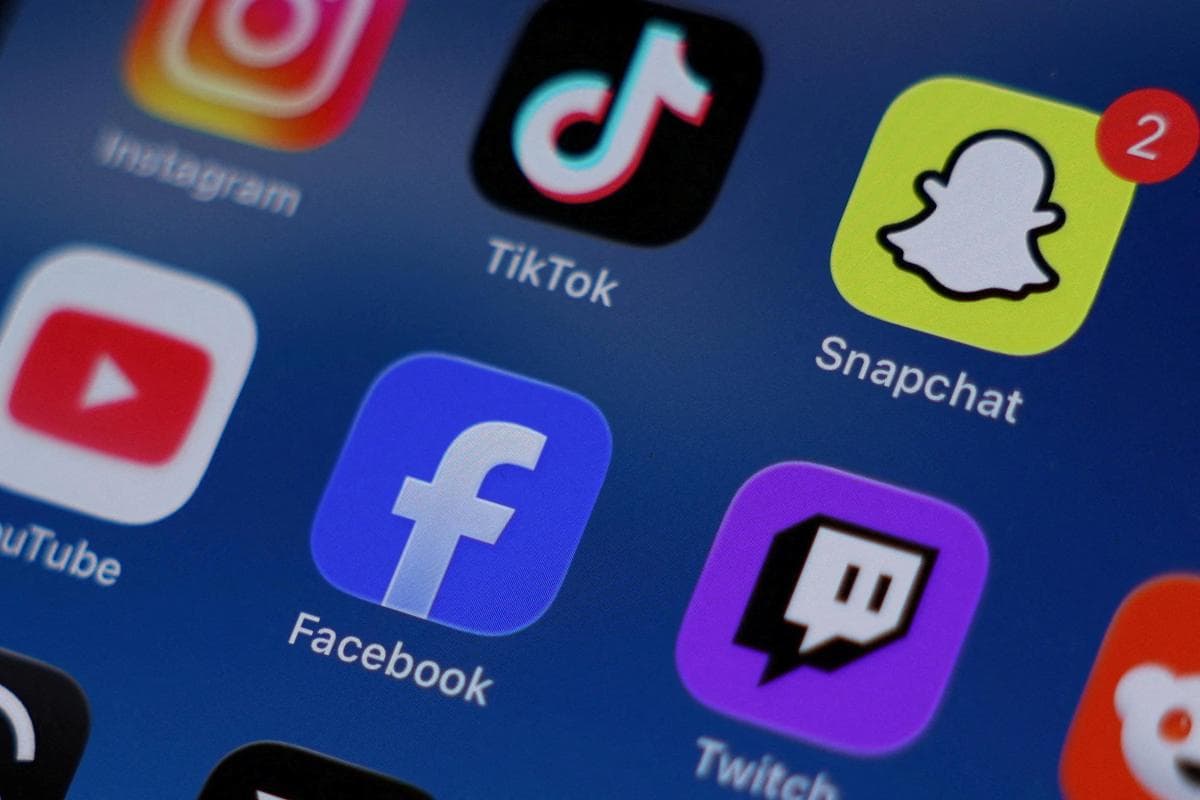
The controversy at Twitch reflects a broader industry-wide dilemma concerning the exhaustion of high-quality training data. As the performance of generative AI models becomes increasingly dependent on massive datasets, developers are facing a critical shortage of information. While some organizations, such as OpenAI, have pursued licensing deals with media entities to secure content, others have relied on scraping user-generated content from social platforms. Meta, for instance, has faced similar criticism for using Facebook and Instagram posts, as well as employee activity and smart glasses footage, to train its systems. Google and YouTube have been implicated in comparable practices, highlighting how user data has transitioned into a strategic resource equivalent to hardware and electricity in the race for AI dominance.
⚖ The Balanced View
Supporting view
Company leadership suggests that default inclusion is a necessary mechanism to sustain the data-intensive requirements of modern AI training, noting that such data harvesting is likely an industry-wide norm.
Concerns & criticism
Creators have expressed significant opposition to the lack of transparency regarding how their content has been historically used, as well as concerns that their creative output is being exploited without explicit consent.
→What's next
It remains to be seen if other major streaming platforms will implement similar opt-out features to satisfy creator demands for transparency. The ongoing debate may also invite further regulatory scrutiny regarding the rights of users to protect their content from being used in proprietary AI development.