
California regulators have authorized autonomous heavy-duty truck testing on public highways and approved a major expansion for Waymo's robotaxi service across 18 counties. These developments mark a significant shift in the state's transport landscape, though they have been met with legal challenges from labor organizations.
Heavy-Duty Trucking Enters California Highways
The California Department of Motor Vehicles (DMV) has officially opened the door for autonomous heavy-duty trucking on public roads. Following new regulations finalized on April 28, 2026, the state lifted a longstanding prohibition against testing driverless vehicles exceeding 10,000 pounds. Aurora Innovation and Kodiak AI are the primary beneficiaries of this regulatory shift, having met rigorous state requirements involving safety documentation, insurance protocols, and vehicle registration. While these companies have previously conducted extensive testing in states like Texas—where Kodiak began commercial operations in 2025—this move allows them to integrate their home state of California into their development map. The current permits are subject to specific operational constraints: each vehicle must be accompanied by a human safety operator in the driver's seat, and operations are generally restricted on roads with speed limits of 25 miles per hour or lower, barring direct transit routes.
Waymo's Broad Geographic Expansion
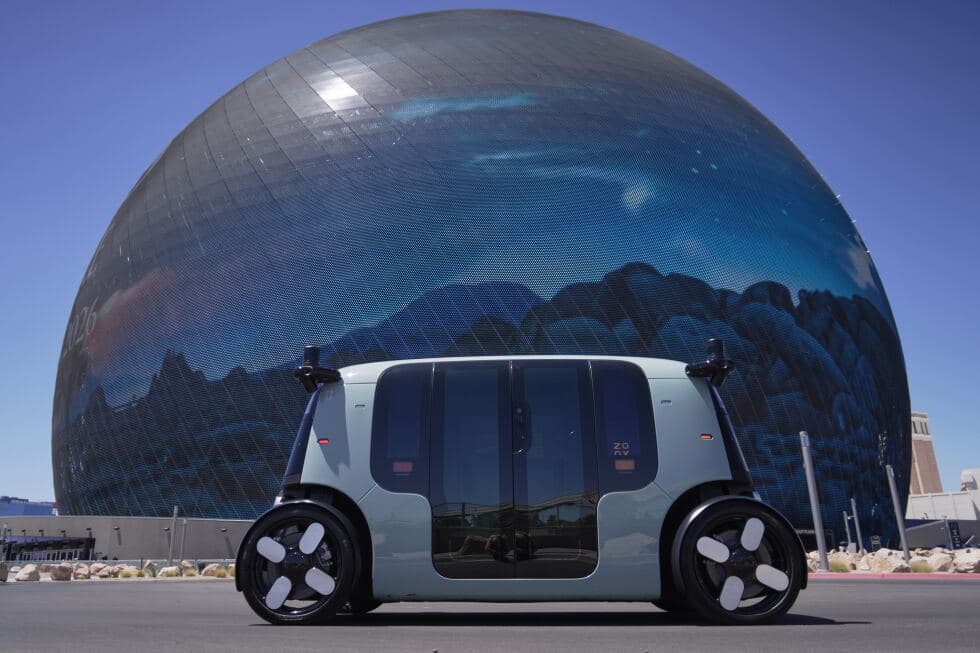
Simultaneously, the California Public Utilities Commission (CPUC) has provided the green light for Waymo to significantly scale its robotaxi footprint. The company is authorized to extend its autonomous passenger services into Sacramento and San Diego, while further saturating its existing operations in the San Francisco Bay Area and Los Angeles. This approval covers an expansive network spanning 18 counties, including regions like Alameda, Santa Clara, and Orange County. Although the authorization is broad, Waymo has clarified that the deployment will be phased, following a structured safety framework rather than an immediate rollout across every jurisdiction. The service will utilize the company's existing fleet of Jaguar I-Pace vehicles alongside new Ojai robotaxi minivans, which are manufactured by the Chinese automotive company Zeekr. This regulatory milestone follows months of coordination between Waymo and state commissioners regarding safety planning.
Labor and Regulatory Opposition
Despite the rapid advancement of autonomous technologies, the industry faces mounting political and legal headwinds. Most notably, Teamsters California has initiated a lawsuit against the DMV in the Alameda County Superior Court. The labor group argues that the state regulator bypassed mandatory legal requirements to conduct and release public studies regarding the economic impact of autonomous trucking on the workforce. Furthermore, the lawsuit contends that the DMV failed to adequately account for potential safety risks that these large, automated vehicles pose to other motorists on public roads. This tension highlights a broader societal friction regarding the displacement of professional drivers and the speed at which autonomous systems are being integrated into public infrastructure. As companies like Aurora and Kodiak begin their California testing, they must navigate not only the technical complexities of highway driving but also an increasingly contentious political landscape regarding labor security.
⚖ The Balanced View
Supporting view
Developers argue that autonomous technology offers a path toward safer roads, cleaner operations, and the ability to test in their home state of California, which was previously prohibited for heavy-duty vehicles.
Concerns & criticism
The Teamsters union has challenged the DMV’s decision in court, alleging that the agency failed to study the potential economic devastation for professional drivers or sufficiently address the safety risks posed by heavy-duty autonomous trucks to the general public.
→What's next
Waymo plans to implement a gradual expansion across its newly authorized 18-county service area in California, guided by its internal safety frameworks. Meanwhile, legal proceedings between the Teamsters and the California DMV will likely determine the long-term feasibility of the current autonomous trucking permit structures.