
An unidentified individual reportedly deployed a fraudulent Wi-Fi network on a Delta flight, leading the crew to disable the aircraft's legitimate connectivity for approximately 30 minutes. The incident, which occurred on a flight departing Las Vegas, is currently under investigation by federal authorities.
The In-Flight Incident
During a flight from Las Vegas to Atlanta, an unidentified passenger allegedly established a deceptive Wi-Fi network meant to mimic the legitimate onboard connection. Pilots were alerted to the situation mid-flight and communicated with air traffic control, noting that the passengers aboard the aircraft included individuals who had recently attended cybersecurity conferences in Las Vegas. The situation prompted the flight crew to preemptively deactivate the plane's official Wi-Fi system for a duration of roughly half an hour to prevent any further exploitation or security risks. Delta Air Lines has explicitly stated that the aircraft's primary operating systems remained entirely unaffected throughout the event, maintaining that the overall safety of the flight was never at risk during the disruption.
Technical Mechanics of the Spoofing
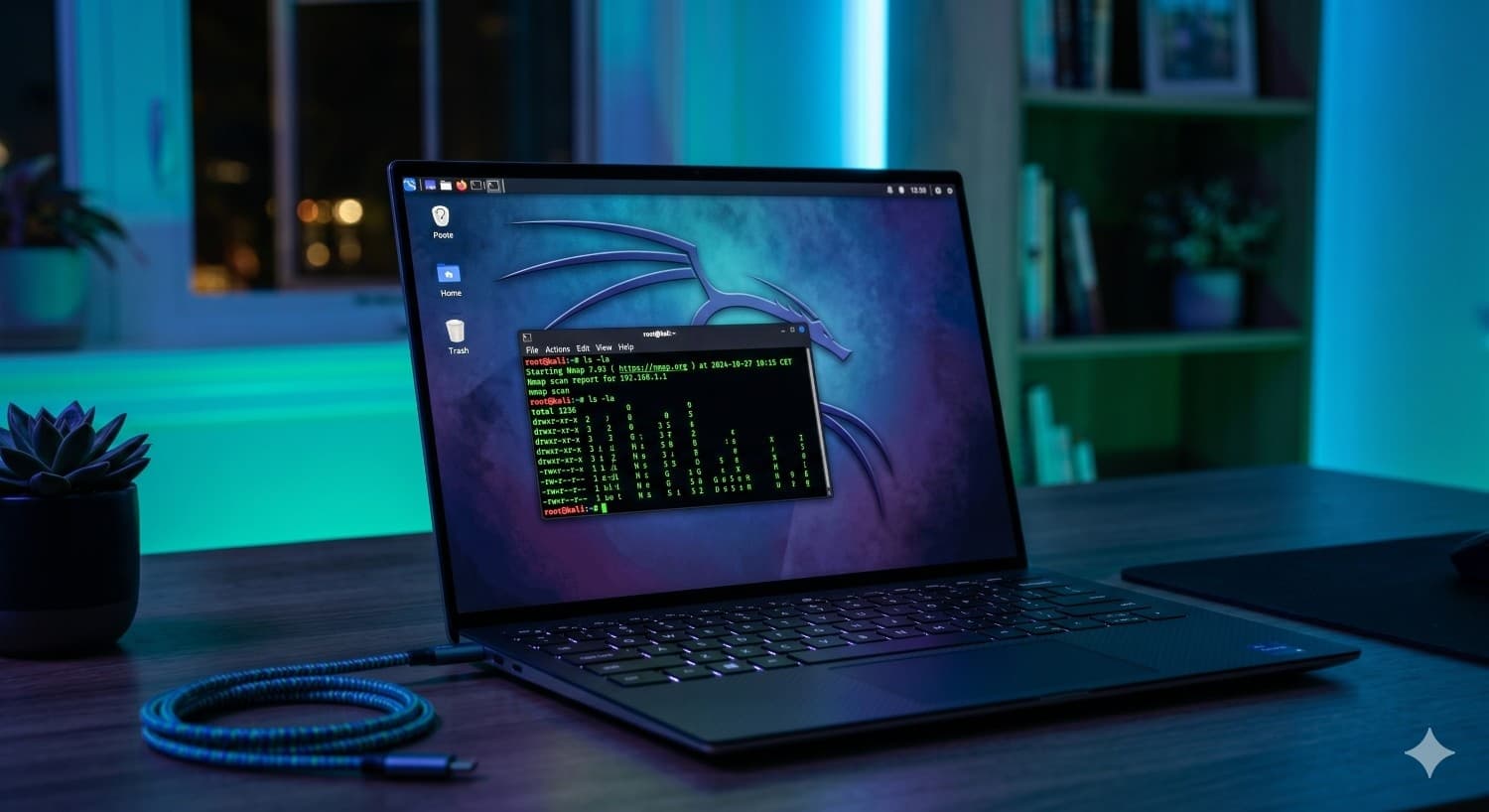
The incident is being categorized by industry observers as an 'evil twin' attack, a well-known technique in information security. By using portable hardware—such as a Wi-Fi Pineapple, which is commonly used by professional security auditors and hobbyists—an attacker can broadcast a signal that mimics a legitimate network name. Once connected, such a network can be used to harvest sensitive data, including login credentials. According to reports based on air-to-ground ACARS broadcasts and social media descriptions, the fake hotspot was allegedly labeled 'Delta WiFi Fast' and included a phishing page. While such tools are easily accessible for authorized security testing, their unauthorized use in a pressurized, sensitive environment like an airplane cabin represents a significant breach of both airline policy and potential federal regulations.
Context and Community Speculation
The timing of the event is notable, as it occurred the day following the conclusion of the DEF CON security conference, one of the world's largest hacker gatherings, which takes place annually in Las Vegas. Because the pilots explicitly mentioned that a significant portion of the passengers had attended a cyber conference in the city, widespread speculation has emerged linking the incident to attendees of the event. While it remains unclear if the perpetrators were indeed conference attendees or if the pilots' assessment was merely an observation of the demographic on the flight, the incident has highlighted the persistent security challenges posed by sophisticated hardware in the hands of individuals capable of running localized network attacks.
Airline and Regulatory Response
Delta Air Lines has confirmed that they are conducting a comprehensive investigation into the incident, noting that they are working alongside federal law enforcement and aviation regulators to gather the full facts. The airline emphasized that this process will take time given the complexity of the onboard systems and the nature of the alleged unauthorized activity. While the Atlanta Police Department has deferred to federal authorities, the status of the investigation at the FAA remains ambiguous, with one spokesperson noting that they had not received a formal report as of the time of the initial press inquiries. The FBI has also been mentioned as a stakeholder in the investigation, though they have not provided an immediate statement regarding the potential for federal criminal charges.
⚖ The Balanced View
Supporting view
The incident highlights the necessity for heightened awareness regarding cybersecurity vulnerabilities on public transport networks, as demonstrated by the ease with which portable hardware can compromise consumer connectivity.
Concerns & criticism
The unauthorized use of spoofing technology during a flight raises serious concerns about passenger privacy and the potential for large-scale credential theft in an environment where users trust the network provider.
→What's next
Delta Air Lines will continue to partner with federal authorities to finalize its investigation into the incident. The findings could potentially influence future in-flight security protocols regarding how crew members monitor and manage onboard wireless network integrity.