
SK Hynix is launching an expansive $720 billion infrastructure project in South Korea to significantly increase its high-bandwidth memory (HBM) production capacity for AI hardware. This strategic investment aims to solidify the company's leading market position as global demand for specialized AI memory chips continues to surge.
Strategic Expansion of Memory Infrastructure
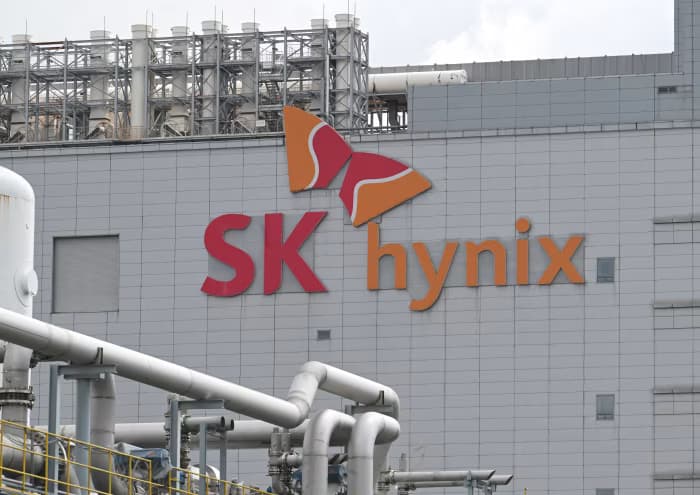
SK Hynix has committed $720 billion toward creating what is projected to be the world's most extensive network of memory production facilities. This effort centers on the Yongin Cluster in South Korea, where the company is constructing towering fabrication plants. Unlike conventional single-story chip factories found in regions like Arizona, these South Korean sites are designed as vertical structures that can reach the height of 50-story buildings. By utilizing a multi-floor design to house six cleanrooms, SK Hynix aims to maximize floor space and efficiency. This infrastructure push is a critical component of a broader national mandate, supported by President Lee Jae Myung, to double South Korea’s total memory output within the next five years. The company is simultaneously upgrading existing cleanroom operations in Cheongju to meet the intense requirements of AI hardware manufacturers.
Meeting Intense AI Chip Demand
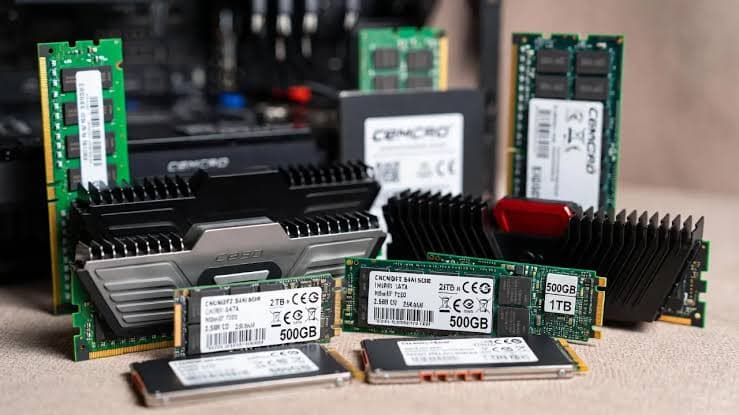
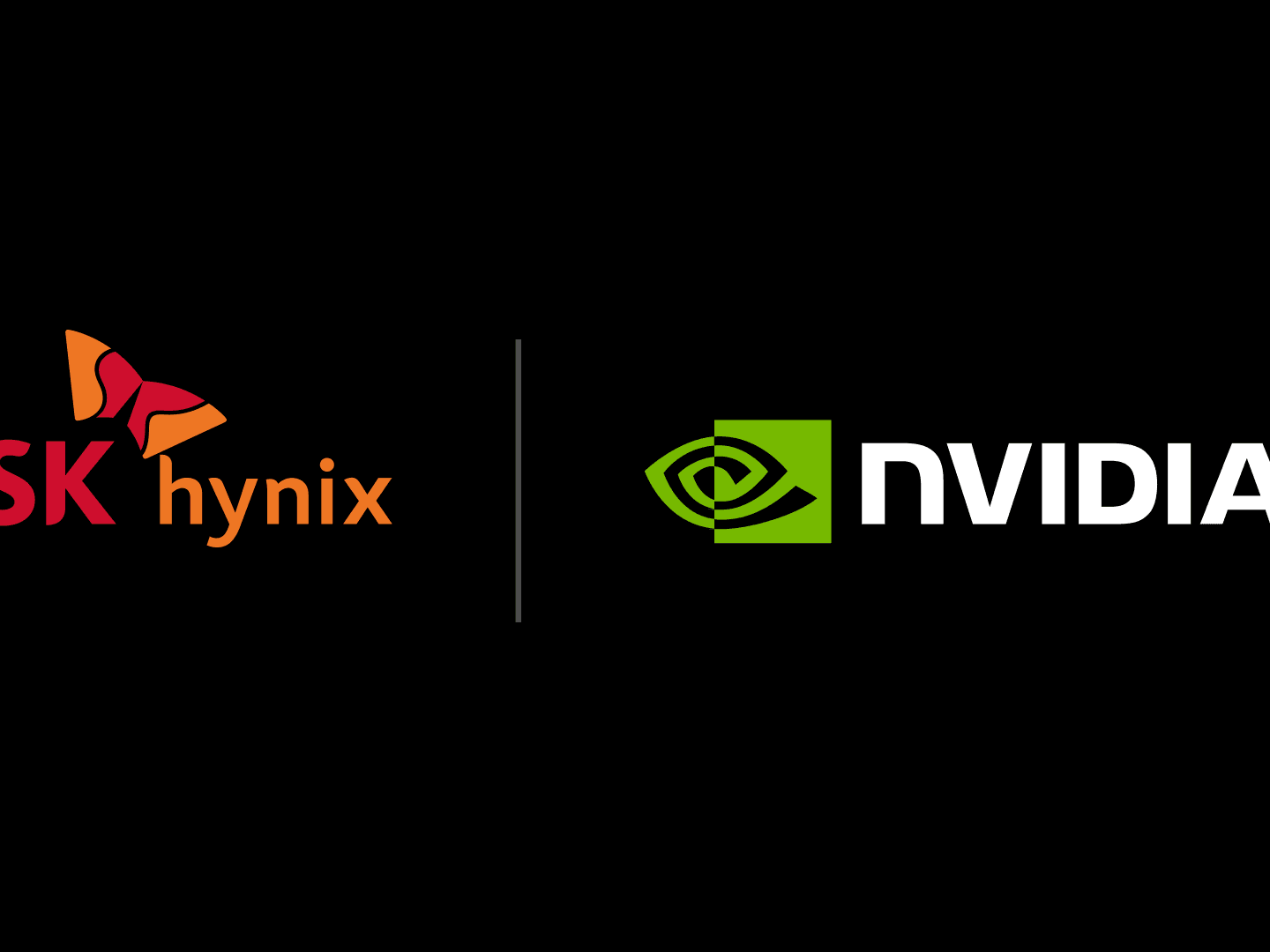
The global surge in artificial intelligence development has transformed high-bandwidth memory (HBM) from a traditional commodity into a critical bottleneck. HBM, created by stacking layers of dynamic random access memory, is essential for high-speed data processing in AI chips. As companies like Nvidia scramble to secure supplies, SK Hynix has shifted its business model to accommodate significantly longer contracts. Chairman Chey Tae-won has described the current market climate as a 'war' for supply, noting that memory availability is the primary constraint for AI computing. In response, SK Hynix has entered into numerous long-term agreements with major tech entities, including a notable co-development partnership with Nvidia. Furthermore, the company is pivoting toward custom HBM solutions, working directly with hyperscalers like Google and Nvidia to design memory specifically tailored for their individual AI processors, moving away from a one-size-fits-all product strategy.
Financial Dynamics and Market Volatility
SK Hynix’s aggressive expansion comes amidst intense market volatility. After a highly successful listing on the Nasdaq in July that raised $26.5 billion—the largest ever for a foreign firm in U.S. markets—the company's share price faced a correction, dropping approximately 21% from its July peak. This decline mirrored a broader downturn in the South Korean Kospi index, which had been pressured by forced selling and the unwinding of leveraged positions. However, the market has since shown signs of a robust rebound, returning to bull-market territory. Analysts suggest that the rally is grounded in strong fundamentals and optimism regarding AI infrastructure spending rather than pure speculation. Despite this, experts warn that the South Korean market’s heavy concentration in semiconductor giants like SK Hynix and Samsung creates a unique vulnerability, where any shift in AI sentiment or tech spending could trigger significant fluctuations.
Global Footprint and Competitive Pressures
While the core of SK Hynix’s buildout is located in South Korea, the company maintains a complex global strategy. It operates three memory fabs in China, though these are limited by U.S. export controls that prohibit the sale of advanced HBM technology within that market. Meanwhile, the domestic competition in China is growing, with firms like CXMT making significant advancements. To navigate the U.S. regulatory landscape and address local supply needs, SK Hynix is investing $4 billion in a packaging facility in West Lafayette, Indiana, expected to be completed in 2028. This move complements the company’s existing U.S. footprint, which includes the Solidigm subsidiary born from the acquisition of Intel’s NAND business. Leadership continues to evaluate additional U.S. sites for potential future expansion, balancing the search for suitable locations with the urgency to increase overall capacity in a highly competitive global race.
⚖ The Balanced View
Supporting view
Supporters argue that the expansion is supported by strong fundamental growth, with record-level earnings expectations and long-term contracts from major tech firms proving that AI hardware demand remains robust and reliable.
Concerns & criticism
Critics point to extreme market concentration in a few semiconductor companies, noting that the South Korean index is highly vulnerable to any downturn in AI spending, hyperscaler guidance, or geopolitical export restrictions.
→What's next
SK Hynix is expected to continue its aggressive construction schedule in South Korea while finalizing plans for its Indiana packaging site. The company will likely transition more of its output toward custom-designed HBM solutions as it looks to differentiate its technology from standard memory commodities.