
Uber is scaling its autonomous vehicle operations by partnering with Pony.ai to roll out 2,000 robotaxis across European and Middle Eastern markets. This initiative builds on the companies' existing commercial service in Croatia and aligns with Uber's goal to lead the global autonomous vehicle commercialization market.
Expansion of Autonomous Services
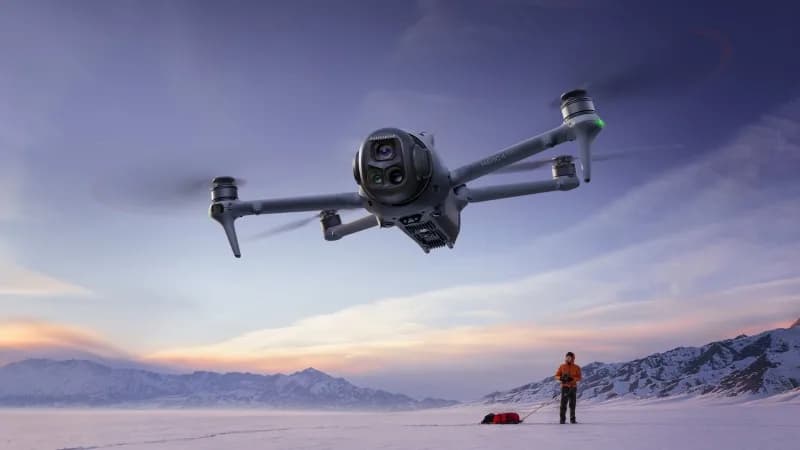
Uber has announced a significant expansion of its autonomous vehicle program in collaboration with the operator Pony.ai. Following an initial successful launch in Zagreb, Croatia—which the companies identify as Europe's first commercial robotaxi service—the partnership is set to deploy a fleet of 2,000 self-driving vehicles across additional European cities. Furthermore, the companies have disclosed plans to extend their collaboration into the Middle East. While the partners have committed to reaching four new European locations, specific city names and exact timelines for these deployments remain undisclosed. This move represents a major step for Uber as it seeks to scale its autonomous capabilities across multiple international jurisdictions beyond its established domestic footprint.
Strategic Objectives and Fleet Management
The push to increase vehicle density is fundamental to Uber’s broader commercial strategy. According to Uber CEO Dara Khosrowshahi, the company is positioning itself to become the premier global platform for autonomous vehicle commercialization. A primary driver of this initiative is the collection of a comprehensive dataset that can be shared with partners to streamline and accelerate autonomous development. The company believes that maintaining a substantial, active fleet is essential for demonstrating safety protocols to regional regulators and enhancing overall operational efficiency. By ensuring greater vehicle availability, Uber aims to drive higher user adoption rates and establish a stronger foothold in the competitive landscape of autonomous ride-hailing services.
Global Competition and Industry Context
Uber's expansion comes as the global market for autonomous taxis intensifies, with several major players vying for dominance. Alphabet’s Waymo currently maintains the lead with a fleet of approximately 5,000 vehicles, primarily operating in the United States while pursuing testing in London and establishing new entities within the European Union. Meanwhile, other Chinese entities such as Baidu Apollo Go and WeRide are aggressively testing and scaling their own autonomous ride programs. Uber is also diversifying its partnerships to stay ahead of these competitors; the company recently announced plans for a robotaxi pilot in Madrid with WeRide, and is working with a local operator to manage a test deployment in Tokyo. These multi-vendor strategies highlight Uber's intent to remain the central intermediary regardless of which autonomous technology provider gains the upper hand.
The Rise of Chinese Technological Sourcing
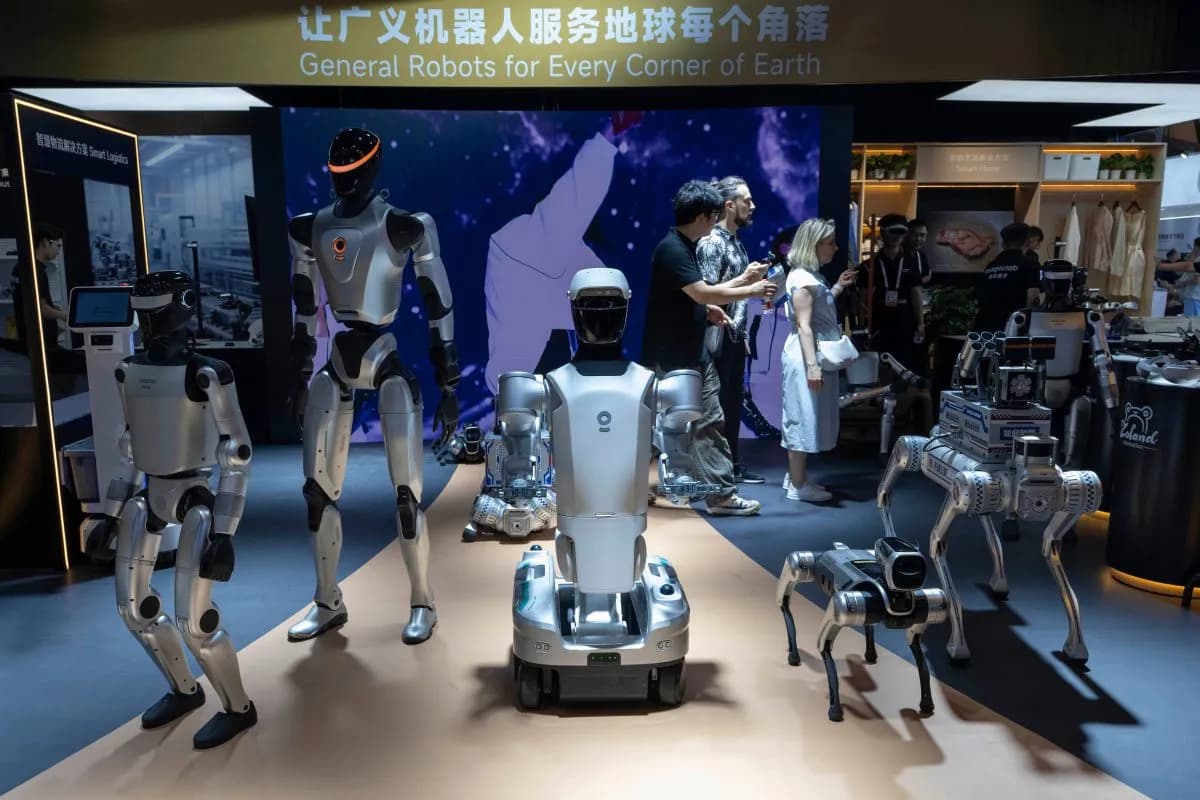
The growing integration of companies like Pony.ai, WeRide, and CATL reflects a broader, structural shift in the global technology landscape. Industry analysts observe that global firms are increasingly turning to China not just as a consumer market, but as a primary source for high-level innovation, supply-chain depth, and manufacturing speed. This trend is particularly evident in sectors such as electric vehicle batteries and artificial intelligence. While geopolitical tensions and regulatory restrictions have hindered certain areas, the adoption of Chinese technology continues to expand globally. Experts from firms like IDC and Omdia note that for many Western corporations, utilizing Chinese technological capabilities is increasingly driven by superior performance, compliance requirements, and the necessity of maintaining competitiveness in a fragmented but pragmatic global ecosystem.
⚖ The Balanced View
Supporting view
Supporters of these partnerships argue that Chinese technology provides critical cost, scale, and speed-of-innovation advantages that global firms cannot easily replicate or bypass, leading to more efficient supply chains.
Concerns & criticism
Concerns remain regarding the geopolitical risks associated with relying on foreign technology, with analysts noting that resistance is likely to persist in sensitive sectors including cybersecurity, defense, and advanced semiconductors.
→What's next
Uber and Pony.ai have yet to reveal the specific cities targeted for their next phase of European expansion. Meanwhile, the industry is watching for further regulatory developments as global companies balance the benefits of Chinese technological integration against ongoing geopolitical scrutiny.