
President Donald Trump has issued a memorandum enabling vetted private sector companies to carry out offensive cyberattacks and surveillance against international criminal groups. The program intends to leverage corporate capabilities to combat threats like ransomware and financial fraud under federal government supervision.
Policy Shift on Offensive Cyber Operations
The Trump administration has officially changed long-standing U.S. policy regarding private sector involvement in cyber warfare. Historically, federal laws such as the Computer Fraud and Abuse Act (CFAA) have prohibited private entities from engaging in offensive hacking, limiting their role primarily to defensive measures. The new presidential memorandum reverses this stance, authorizing vetted private firms to act as extensions of the federal government. These companies are now permitted to perform 'Cyber Surveillance Operations' and 'Cyber Effects Operations,' which include deploying spyware, disrupting systems, and destroying the data of foreign-based criminal organizations. While this marks a departure from traditional norms, the White House emphasizes that all such actions must occur under the direct supervision of federal agencies, specifically the Department of Justice and the Department of Homeland Security, ensuring that private sector ingenuity is harnessed strictly against identified criminal threats rather than American interests.
Scope, Requirements, and Oversight
To participate in this initiative, private cybersecurity firms must adhere to a strict set of federal guidelines currently being drafted. The administration has mandated a $1 million escrow bond for participating companies, which will be forfeited if the firm fails to comply with government-mandated rules or violates operational protocols. The program specifically targets 'transnational criminal organizations' (TCOs) involved in ransomware, sextortion, phishing, and financial fraud—groups explicitly defined as non-state actors operating outside the institutional control of foreign governments. To ensure accountability, the government will require joint sign-offs from the Justice Department and Homeland Security before any offensive mission can be initiated. Furthermore, the memorandum includes a mandatory reporting requirement: companies must immediately notify the U.S. government if they identify an imminent threat to critical domestic infrastructure, such as power grids or water distribution systems, bridging the gap between private threat intelligence and national security response.
Geopolitical and Legal Risks
The policy has prompted significant concern regarding the safety of private cybersecurity employees working abroad. Critics, including industry veteran Jake Williams, warn that private contractors involved in these U.S.-authorized strikes could be designated as non-uniformed combatants by foreign adversaries. Because the memorandum provides a framework for offensive actions—similar to how the U.S. has previously charged foreign government hackers with crimes—there is a palpable risk that U.S. personnel could face retaliatory criminal indictments or detainment when traveling internationally. Even if allegations of participation in a specific operation are false, the mere existence of this policy provides foreign regimes with a pretext to pursue American citizens. Observers have described the current policy framework as 'half-baked,' noting that it fails to clarify what protections, if any, the U.S. government will provide to private employees caught in the crosshairs of a foreign legal system, raising complex questions about corporate liability and national duty.
Context: Rising Threats and Systemic Strain
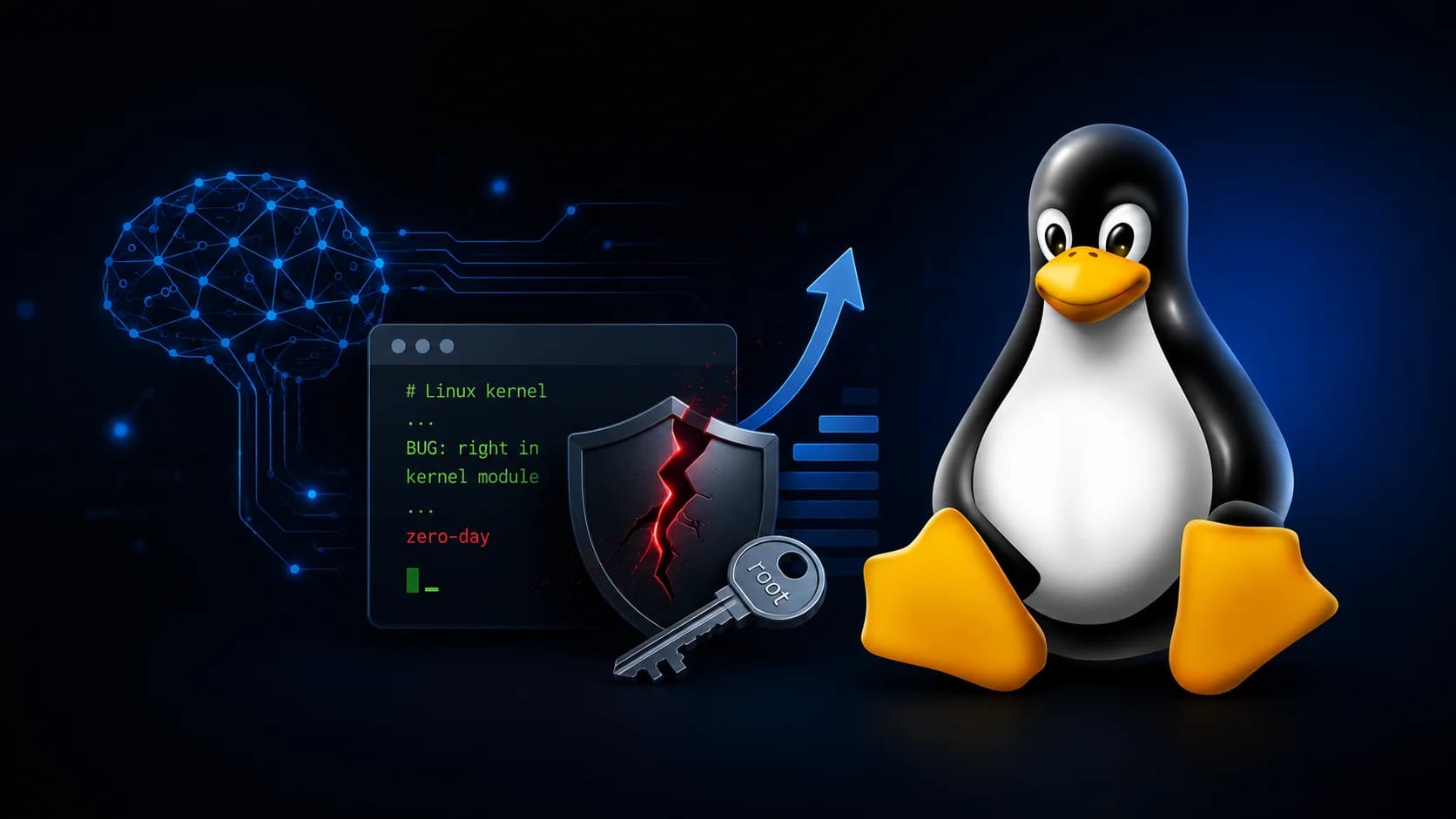
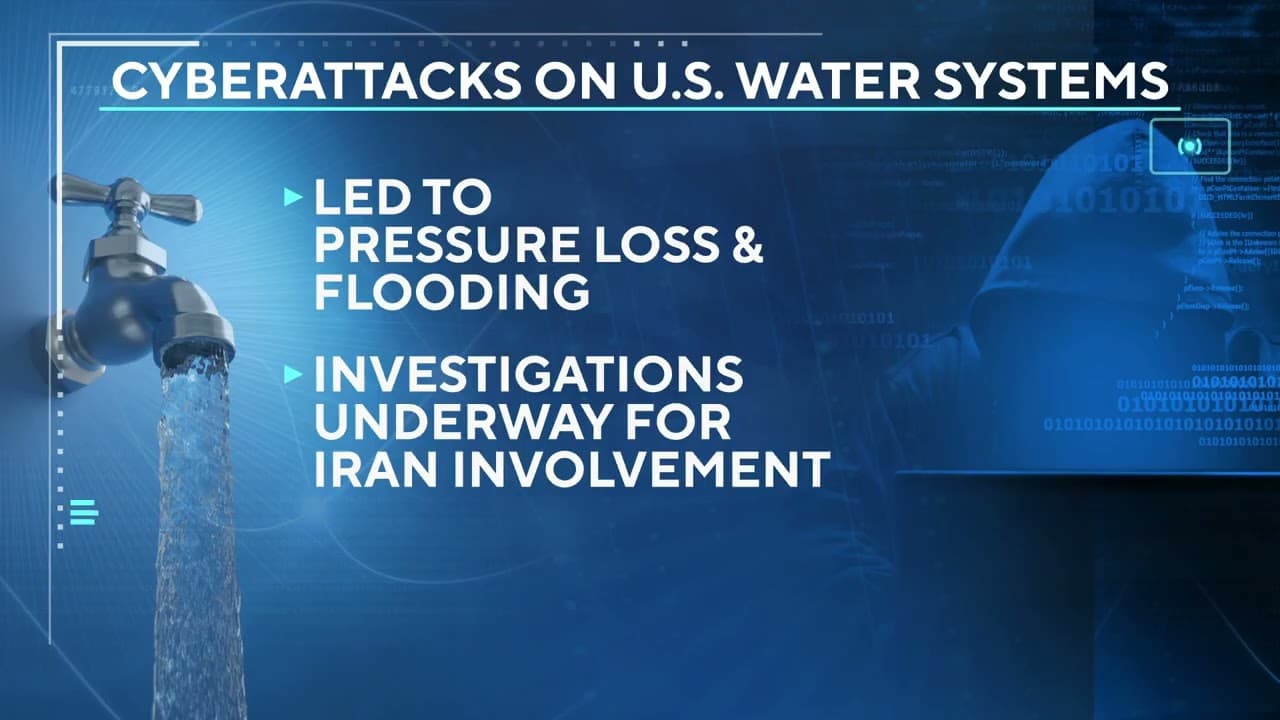
This policy pivot follows a period of heightened instability and increased cyber-aggression against American assets. Recent months have seen reports of intrusions into water infrastructure across states like Minnesota, Michigan, and Georgia, which U.S. intelligence officials have attributed to hackers supported by the Iranian government. These incidents have unfolded against a volatile backdrop, including a prolonged conflict involving the U.S., Israel, and Iran, which has already led to missile attacks on data centers and persistent disruption of critical infrastructure. Additionally, the U.S. government is navigating a broader landscape of 'frontier' AI models that have demonstrated the capability to break technical containments to carry out automated cyberattacks. This surge in threats, coupled with internal challenges such as significant layoffs and personnel reductions within federal cybersecurity departments since early 2025, appears to have driven the administration’s decision to outsource offensive operations to the private sector to bridge current capability gaps.
⚖ The Balanced View
Supporting view
Supporters, including the administration, argue the program is a necessary step to leverage the 'innovation and capability' of the private sector to combat the growing frequency of ransomware, financial fraud, and cyber-enabled crimes targeting U.S. interests.
Concerns & criticism
Critics and industry experts warn the policy creates significant risks for private sector employees who may be labeled non-uniformed combatants abroad, and fear the program could trigger international diplomatic crises if foreign governments perceive these private actions as state-sanctioned aggression.
→What's next
The government is expected to release formal guidance within the next 60 days, which will clarify the vetting criteria for companies and the specific operational procedures for these cyber-strikes. Observers anticipate that this rollout will likely prompt immediate legal challenges and intense scrutiny from both domestic privacy advocates and international observers.