
Military analysts have discovered Nvidia-branded artificial intelligence processing hardware inside a Russian missile recovered from Ukraine. This finding underscores the ongoing difficulty of enforcing export controls on dual-use technology intended for civilian applications.
The discovery of AI hardware in munitions
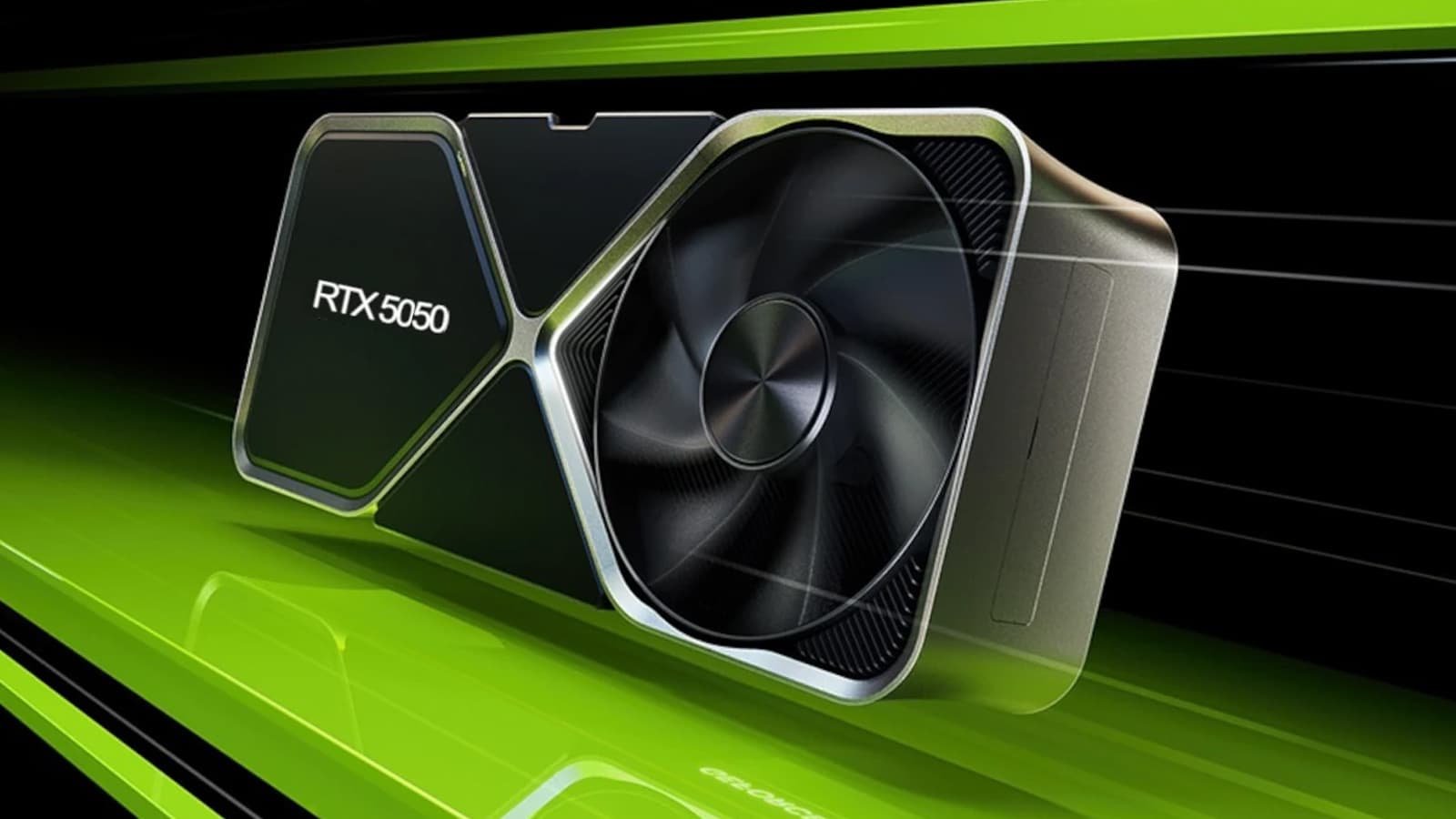
Recent examinations of recovered military hardware in the Ukrainian theater have yielded a significant discovery: a Russian missile utilizing an Nvidia-branded artificial intelligence chip. This finding suggests that despite international sanctions and strict export regulations designed to prevent the Russian military-industrial complex from accessing advanced Western computing capabilities, such components are still successfully reaching the battlefield. The integration of high-performance AI chips into missile guidance systems allows for enhanced navigational precision and improved target recognition, turning what were historically general-purpose computing components into critical assets for kinetic warfare. This discovery forces a broader examination of how sophisticated dual-use technology is being diverted through global supply chains to bypass stringent trade embargoes, presenting a persistent challenge for Western policymakers and semiconductor manufacturers tasked with oversight.
Technological implications of dual-use components
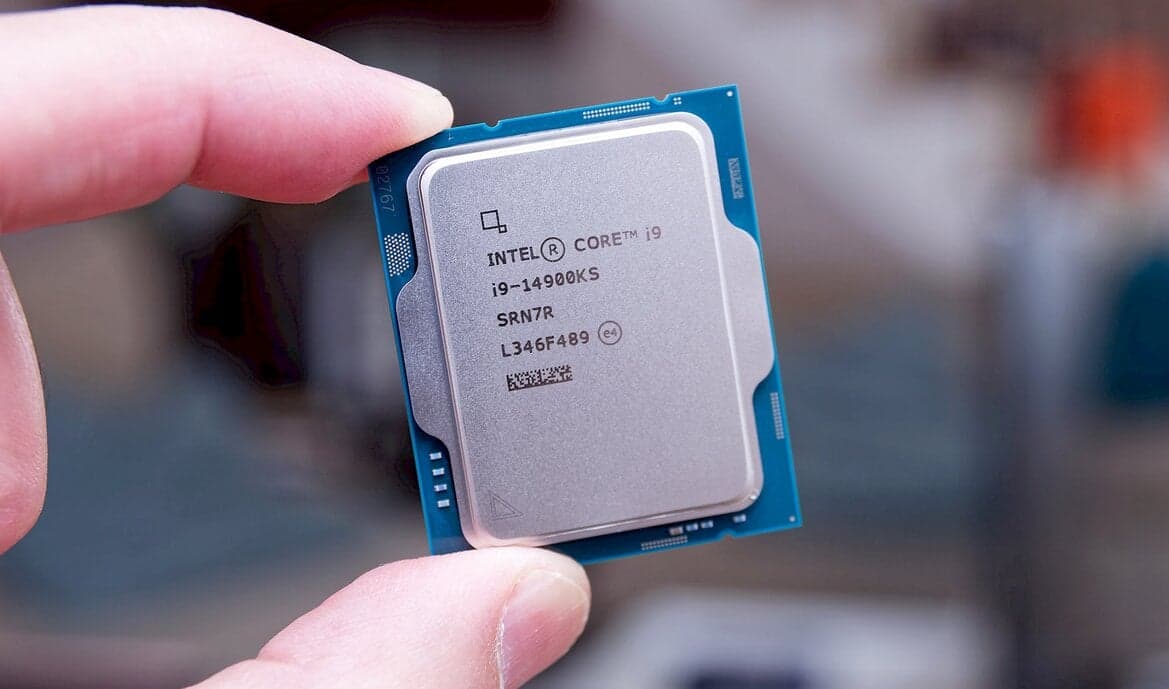
The presence of Nvidia chips in weaponry highlights the fundamental dilemma of the modern digital economy: the inherent dual-use nature of advanced AI processors. Designed primarily for commercial applications like data centers, high-end graphics rendering, and academic research, these processors provide a level of computational throughput that is equally effective at processing real-time sensor data for weapon guidance. By leveraging machine learning models within these chips, missile platforms can perform onboard analysis of terrestrial features, enabling them to strike targets with greater autonomy and accuracy. This adaptability means that even as manufacturers attempt to blacklist specific end-users, the sheer ubiquity of these components in civilian, academic, and industrial sectors makes it exceptionally difficult to track every unit. Once a chip enters the global gray market, its hardware-level performance remains available regardless of the intent of its original designer.
Sanctions enforcement and supply chain leakage
For years, Western governments have implemented layered sanctions aimed at strangling Russia's ability to manufacture or maintain advanced weapons systems by cutting off access to microchips. However, the discovery of Nvidia silicon suggests that those measures are not fully airtight. Analysts suggest that the components likely moved through complex networks of intermediary shell companies, third-party distributors, and friendly jurisdictions that do not adhere to the same trade restrictions as the United States or the European Union. These networks exploit gaps in logistics transparency, where components are shipped through multiple hands before reaching their final destination. The ease with which such high-value, small-form-factor electronics can be smuggled across borders has created a recurring cat-and-mouse game between intelligence agencies tracking technology flows and procurement officers attempting to evade those detection efforts.
Industry responsibility and long-term impact
The incident places renewed pressure on major hardware companies to enhance their end-user verification protocols. While Nvidia and other chipmakers generally prohibit the use of their products in military applications, the practical reality of maintaining accountability after the point of sale remains a monumental task. When hardware is sold into the global market, it often enters a chain of custody where the original manufacturer may lose visibility after the first or second handoff. Industry experts argue that without more stringent international mandates regarding hardware-level identification or 'digital tagging' of chips, the leakage of sophisticated tech into conflict zones will likely remain a systemic vulnerability. The potential for these AI-driven systems to extend the reach and lethality of Russian strikes in Ukraine adds urgency to these calls for stronger, more traceable supply chain security measures at both the corporate and governmental levels.
⚖ The Balanced View
Concerns & criticism
The use of advanced civilian-grade AI processors in military weaponry poses a severe risk to both regional stability in Ukraine and the effectiveness of international technology sanctions. Experts are increasingly concerned that the inability to stop these chips from reaching sanctioned entities renders export control regimes insufficient for modern, high-tech warfare.
→What's next
Regulators and international trade bodies are expected to intensify scrutiny of global electronics supply chains to identify the specific transit routes used by procurement networks. Meanwhile, hardware manufacturers may face increased political pressure to implement more robust, possibly hardware-level, restrictions to prevent their technology from being repurposed in combat environments.