
Amazon is significantly scaling its Prime Air drone delivery operations to reach hundreds of new U.S. locations by the end of 2026. This initiative seeks to turn autonomous aerial transit into a standard logistics channel despite ongoing regulatory scrutiny and technical hurdles.
Scaling the Aerial Network
Amazon has announced an aggressive roadmap to expand its Prime Air drone delivery service, with plans to operate in nearly 500 U.S. cities and towns by the end of the year. This represents a sixfold increase in the company's operational footprint, marking a shift toward making drone-based logistics a mainstream component of its delivery infrastructure. While Prime Air has faced a long, often difficult development cycle since its initial conceptualization by Jeff Bezos in 2013, the company is now emphasizing current momentum. Currently, the service operates in 11 metropolitan areas with additional sites slated to come online shortly. Amazon reports that it is already completing thousands of drone deliveries on a daily basis, contributing to an overall count of hundreds of thousands of successful drop-offs so far this year.
Evolution of Delivery Mechanisms
To support its growth, Amazon is integrating drone operations with larger robotic sort centers, which allow for a broader range of products to be processed for aerial transit. While standard Prime Air deliveries are currently limited to items weighing up to 5 pounds within a 7.5-mile radius, the company is testing new methods to improve reliability and versatility. Currently, many drones deliver packages by releasing them from a height of 13 feet. To handle more fragile or perishable goods, such as egg cartons, the company is trialing a 'gentle delivery option' that utilizes a retractable tether to lower items carefully to the ground. This reflects a broader effort to reduce the friction of rapid delivery, as the company notes that customer demand for speed has not yet hit a point of diminishing returns.
Regulatory and Safety Challenges
The expansion comes alongside increased oversight from aviation authorities following several operational incidents. The National Transportation Safety Board and the Federal Aviation Administration are currently investigating a collision involving two Amazon drones and a crane in Tolleson, Arizona, which occurred last October. Additionally, the company is facing an FAA probe related to an incident in Waco, Texas, where a drone severed an internet cable during takeoff. In the United Kingdom, the Air Accidents Investigation Branch is also reviewing a recent crash in Darlington, England, where a drone struck an object near a moving vehicle. Amazon leadership has characterized these incidents as humbling experiences, noting that they have worked to refine their navigation algorithms to better detect obstacles in real-world conditions.
Industry Context and Community Pushback
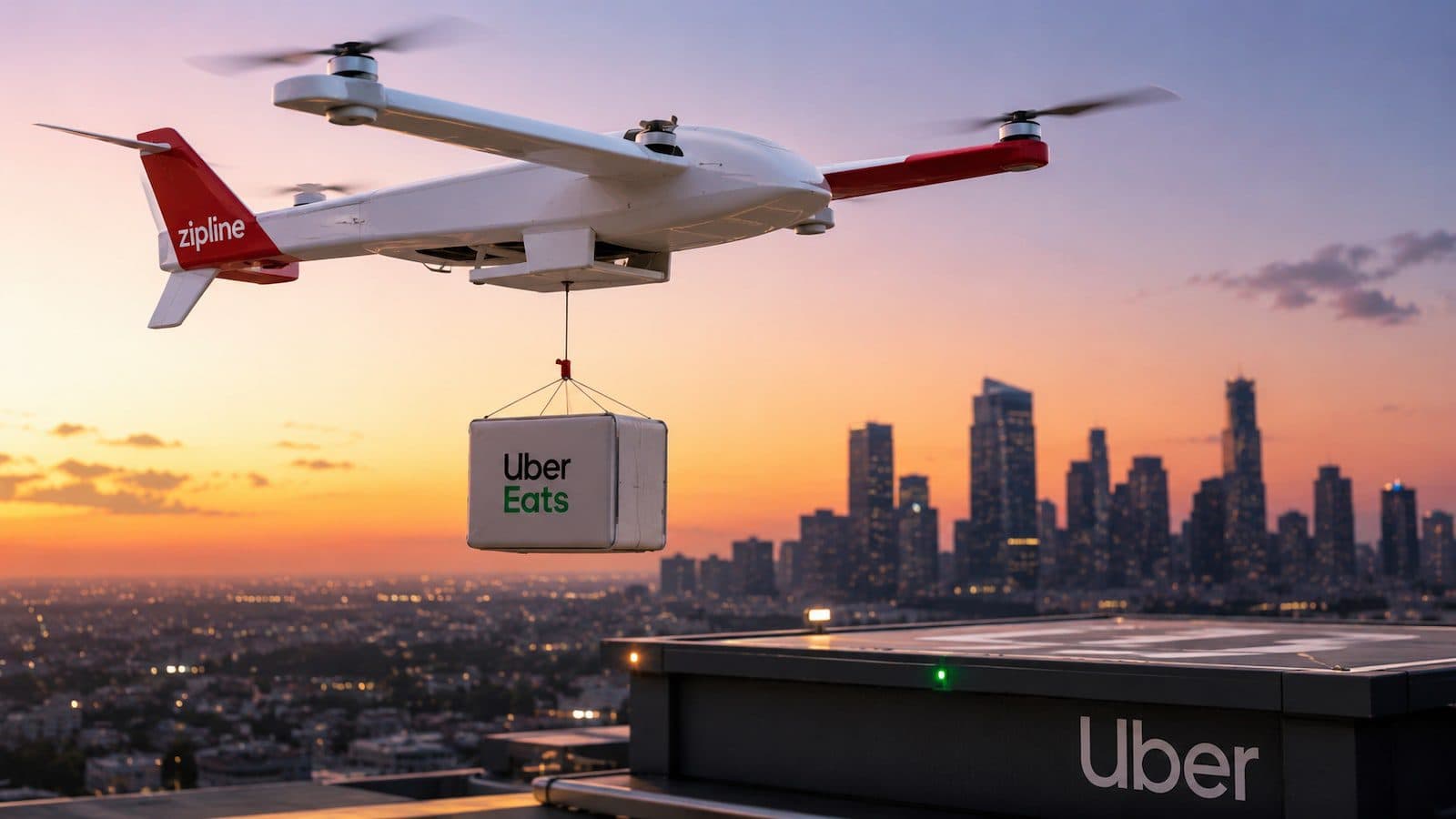
Amazon is not operating in a vacuum; it faces stiff competition from established players in the autonomous delivery space. Alphabet’s Wing has reportedly surpassed 1 million commercial deliveries across 20 U.S. markets, often partnering with major retailers like Walmart. Similarly, the startup Zipline maintains operations on four continents with a total of 2 million deliveries to date. As Amazon attempts to catch up to these milestones, it continues to face friction from local communities concerned about noise pollution, privacy, and the potential impact of drone activity on property values. Balancing the technical desire for ultra-fast, sometimes minutes-after-checkout delivery with these localized social and regulatory challenges remains a primary hurdle for the Prime Air team.
⚖ The Balanced View
Supporting view
Amazon notes that customers consistently demand faster delivery options, and the service has already reached a volume of thousands of daily deliveries.
Concerns & criticism
Local residents have expressed concerns regarding privacy and noise, while federal agencies are investigating multiple drone-related collisions and safety incidents.
→What's next
Amazon is expected to continue its site expansion throughout the remainder of the year while simultaneously refining its obstacle-avoidance algorithms. The company will also likely face continued pressure from ongoing safety investigations by both U.S. and U.K. aviation authorities.