
Tesla is moving forward with a public launch event for its steering-wheel-free Cybercab in Austin, Texas, this month. The project faces significant skepticism regarding its software readiness and the adequacy of its specialized training data.
Launch Plans and Initial Testing
Tesla is gearing up for a public introduction of the Cybercab in Austin, Texas, expected to take place before the end of August 2026. While the company has long utilized various test versions of its fleet across the country—often equipped with traditional human controls—the specific Cybercab platform is being pushed to the forefront. Internal testing of a fully driverless iteration has been ongoing at Tesla's campus since July 2026. Furthermore, the company has begun coordinating with municipal authorities in Austin, including conducting safety training sessions for first responders to ensure they know how to maneuver the vehicles during emergency scenarios. Marketing efforts are already underway on X, where the company’s dedicated Robotaxi account has been organizing promotional opportunities for followers to experience the existing Model Y-based robotaxi service.
Technical and Connectivity Challenges
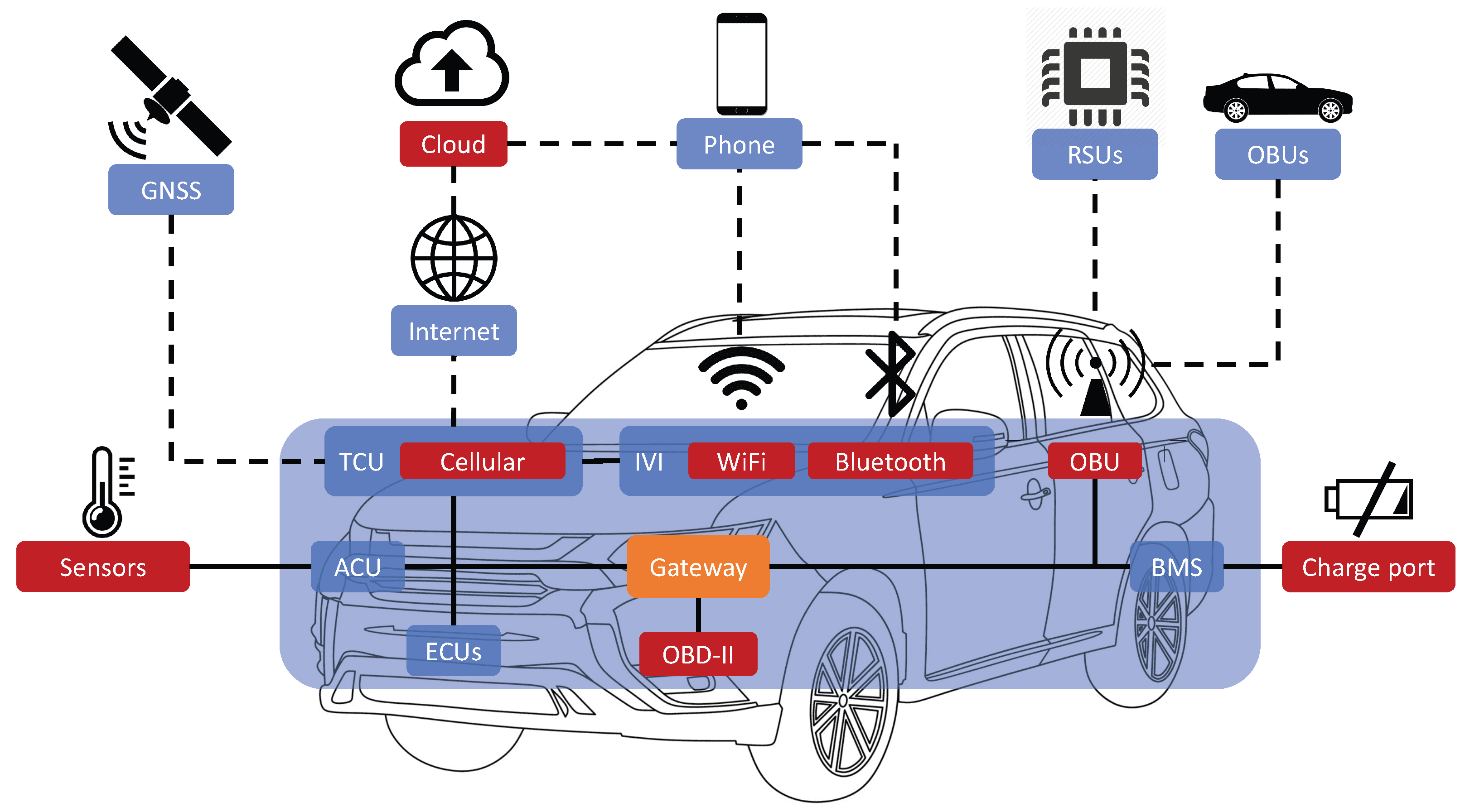
The Cybercab is engineered to operate without a steering wheel or pedals, representing a departure from the company's past autonomous prototypes that maintained fallback controls. This shift forces a total reliance on Tesla’s Full Self-Driving (Supervised) software, a system that has historically required continuous human oversight. To mitigate the absence of a driver, Tesla intends to utilize remote operators who can intervene in emergencies; however, technical experts are concerned about the impact of latency and signal reliability on such remote commands. To address these connectivity gaps, Tesla has begun integrating its Starlink satellite service into the Cybercab fleet. Despite these additions, the vehicle's reliance on software that is currently under investigation by federal regulators for traffic compliance issues casts doubt on the readiness of the system for widespread, unmonitored deployment.
The Data Discrepancy
A significant point of contention regarding the Cybercab involves the volume and type of data used for training. While Tesla once touted its massive fleet of consumer vehicles as a data-collection advantage, leadership has recently clarified that the Cybercab requires specialized data specific to its unique physical platform. Elon Musk acknowledged this need in a July earnings call, noting that specific driving data must be accumulated before the fleet can scale. This places Tesla in a position of catching up to competitors like Waymo, which has recorded over 220 million fully driverless miles on public roads. In comparison, Tesla’s unsupervised fleet has covered approximately 380,000 miles across six cities. This gap in operational experience has led critics to label Tesla a laggard in the autonomous driving sector despite its large footprint in consumer vehicle sales.
Regulatory Hurdles and Market Positioning
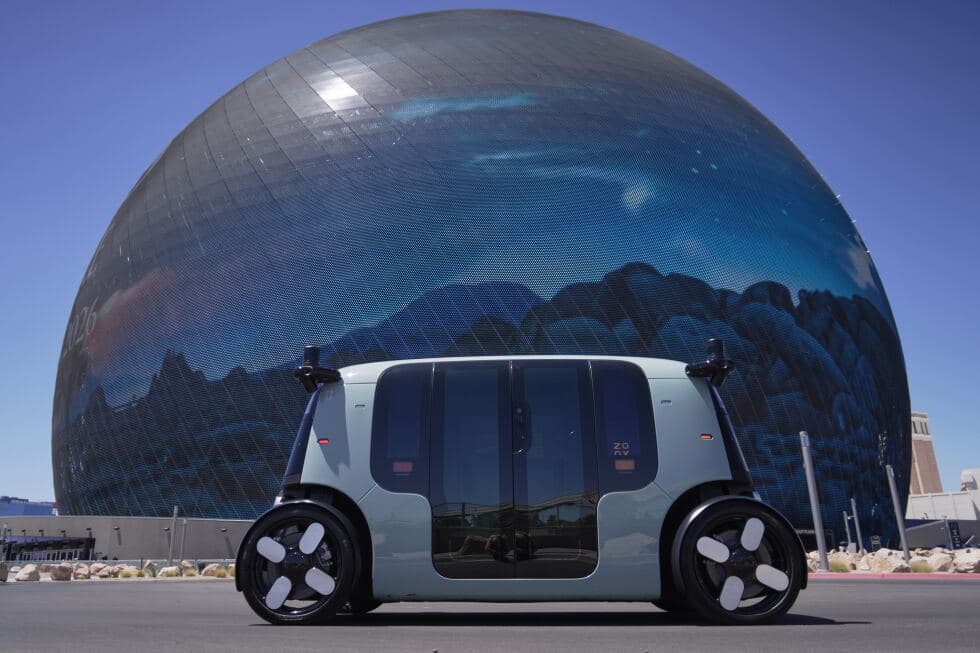
The Cybercab occupies a precarious position between a high-tech experimental project and a commercial product. Because it lacks traditional manual controls, the vehicle cannot be sold to the general public under current federal safety standards that mandate steering wheels, mirrors, and pedals. Tesla would likely need to secure special exemptions from federal regulators to mass-produce or sell the car, a hurdle that competitors like Zoox have recently begun to navigate. Consequently, the Cybercab currently mirrors the business model of the Tesla Semi—targeting commercial fleet operations rather than individual ownership. Furthermore, Tesla’s refusal to share its safety data for independent third-party analysis or peer-reviewed study, preferring to rely on internal metrics, has drawn sharp criticism from industry experts and safety advocacy groups.
⚖ The Balanced View
Supporting view
Supporters point to the innovation of a purpose-built, highly efficient autonomous vehicle and the inclusion of Starlink to address remote operational connectivity concerns.
Concerns & criticism
Experts and federal regulators highlight the ongoing NHTSA investigations into FSD, the company’s lack of transparency regarding safety data, and the massive mileage gap compared to experienced competitors like Waymo.
→What's next
Tesla is scheduled to hold its Cybercab launch event in Austin later this month to demonstrate the vehicle to the public. Observers will be closely watching for any announcements regarding regulatory exemption applications that would allow the company to bypass standard vehicle safety mandates.