
Disney and its subsidiary ABC have filed a federal lawsuit against the FCC and Chairman Brendan Carr, seeking to block an unprecedented early review of its broadcast station licenses. The network claims the agency is abusing its regulatory power to penalize the company for its news coverage and programming choices.
The Legal Challenge to the FCC
Disney and its subsidiary, ABC, have initiated a significant legal confrontation against the Federal Communications Commission (FCC) and its Chairman, Brendan Carr. The legal action, filed in the US District Court for the District of Columbia, seeks a temporary restraining order and a preliminary injunction to stop the agency from proceeding with an accelerated license renewal process for eight ABC-owned broadcast stations. At the heart of the complaint is the assertion that the FCC is weaponizing its administrative authority to suppress protected speech. The filing describes a systemic effort by the current administration to punish ABC for its journalistic output and editorial viewpoints. By attempting to force early license applications, Disney argues that the FCC is effectively threatening the network's ability to remain on the air, a maneuver they contend is designed to force editorial compliance through the threat of permanent revocation.
An Unusual Regulatory Maneuver
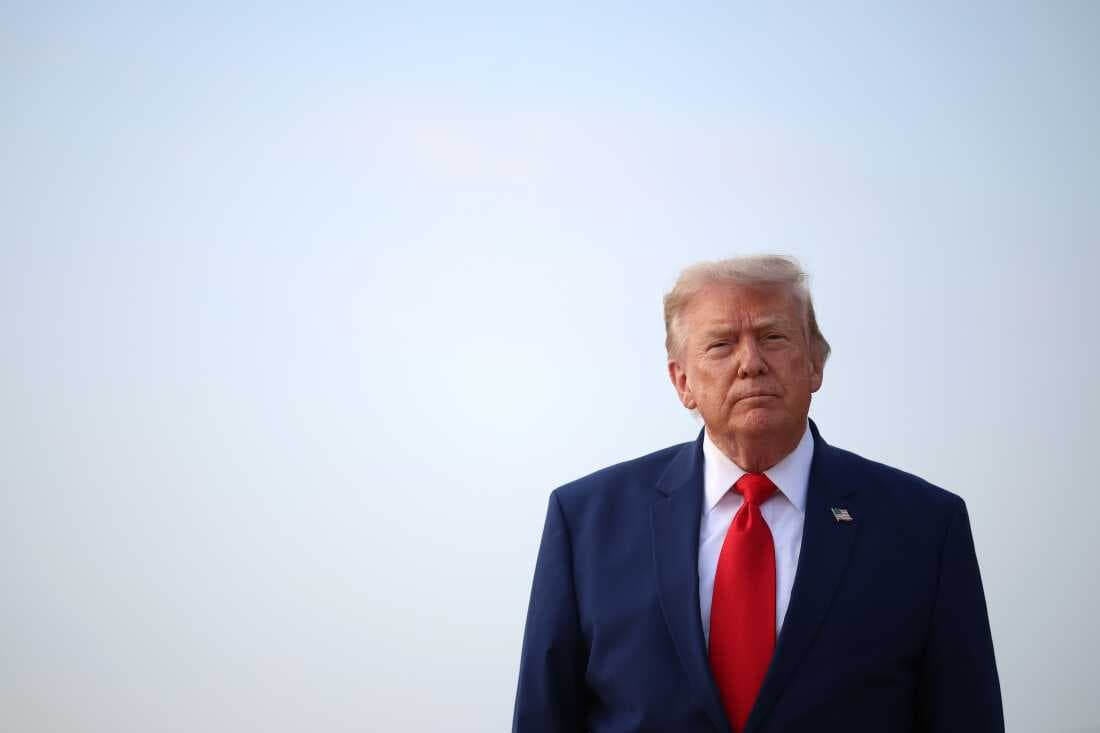
The central mechanical grievance in the lawsuit involves the FCC's demand for early license renewal applications. According to the court documents, the licenses for the affected ABC stations were not scheduled for renewal for at least two and a half to five years. Disney points out that the Commission has not invoked such an early renewal demand in more than fifty years, nor has it ever targeted a group of commonly owned stations from a single network in this manner. The network submitted the required paperwork under protest, noting that such applications typically require months of preparation. This move follows Chairman Brendan Carr’s directive for the stations to file their renewal applications within a 30-day window, a deadline set just one day after President Donald Trump and the First Lady publicly called for the termination of late-night host Jimmy Kimmel.
Context of Administrative Retaliation
The lawsuit outlines a broader pattern of alleged pressure exerted by the administration, which the network claims stems from dissatisfaction with its programming. Specifically, the filing highlights the administration's frustration after ABC opted to stream a live primetime address by the President on ABC News Live rather than airing it on the main broadcast network. Chairman Carr openly stated that the agency would consider this broadcasting decision as a factor during the license renewal review. Furthermore, the network points to existing investigations into Disney, including probes into the company’s diversity, equity, and inclusion (DEI) policies and an inquiry into an interview conducted on 'The View.' Disney contends that these investigations, combined with the license pressure, are part of a coordinated campaign to intimidate media organizations into favoring the administration’s preferred narratives.
Industry and First Amendment Implications
Beyond the direct impact on its own operations, Disney argues that this case carries profound implications for the state of the free press in the United States. The lawsuit warns that if the FCC succeeds in using the 'coercive machinery' of the government to influence editorial decisions, the message to every other media entity will be clear: only output that meets administration approval is safe from regulatory sanction. Disney alleges that Chairman Carr has explicitly touted the success of the administration in 'taking on' media organizations and extracting speech-related concessions. The network fears that the FCC process could mire ABC in years of costly litigation, casting a permanent shadow over its journalistic judgment. Ultimately, the plaintiffs assert that this regulatory environment makes it impossible for the media to maintain true independence, as every editorial decision must now be weighed against the potential for state-led retaliation.
⚖ The Balanced View
Supporting view
The FCC, led by Chairman Brendan Carr, has maintained that the agency is performing its oversight duties, with Carr stating the decision to increase pressure on ABC was a response to the network not taking the commission's authority seriously.
Concerns & criticism
ABC alleges the FCC is violating the First Amendment by using the threat of license revocation to coerce editorial content, creating a chilling effect that forces networks to choose between unfavorable coverage and their continued ability to broadcast.
→What's next
The case is currently before the US District Court for the District of Columbia. The court must now decide whether to grant Disney's motion for a temporary restraining order and preliminary injunction to halt the FCC's accelerated license review process.