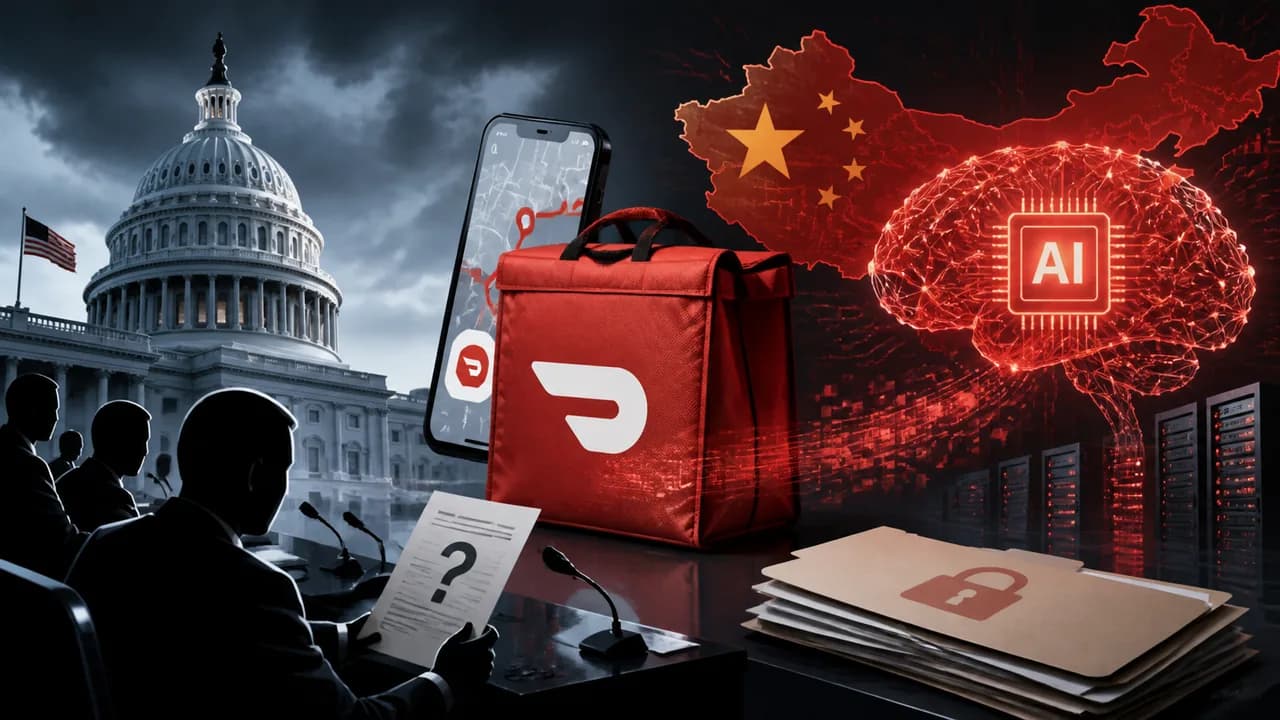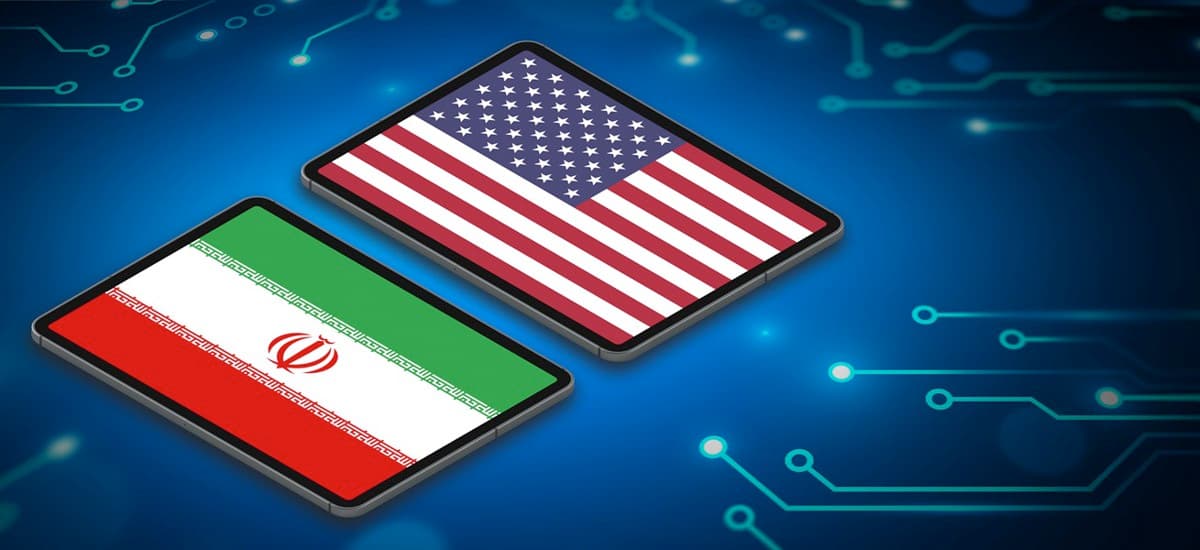

Major Chinese firms including ByteDance and Tencent have reportedly begun receiving shipments of Nvidia H200 AI processors following a loosening of export protocols. Meanwhile, Washington faces pressure to address the "cloud loophole" that allows Chinese companies to bypass hardware bans via remote data center access in Southeast Asia.
The Arrival of H200 Processors in China
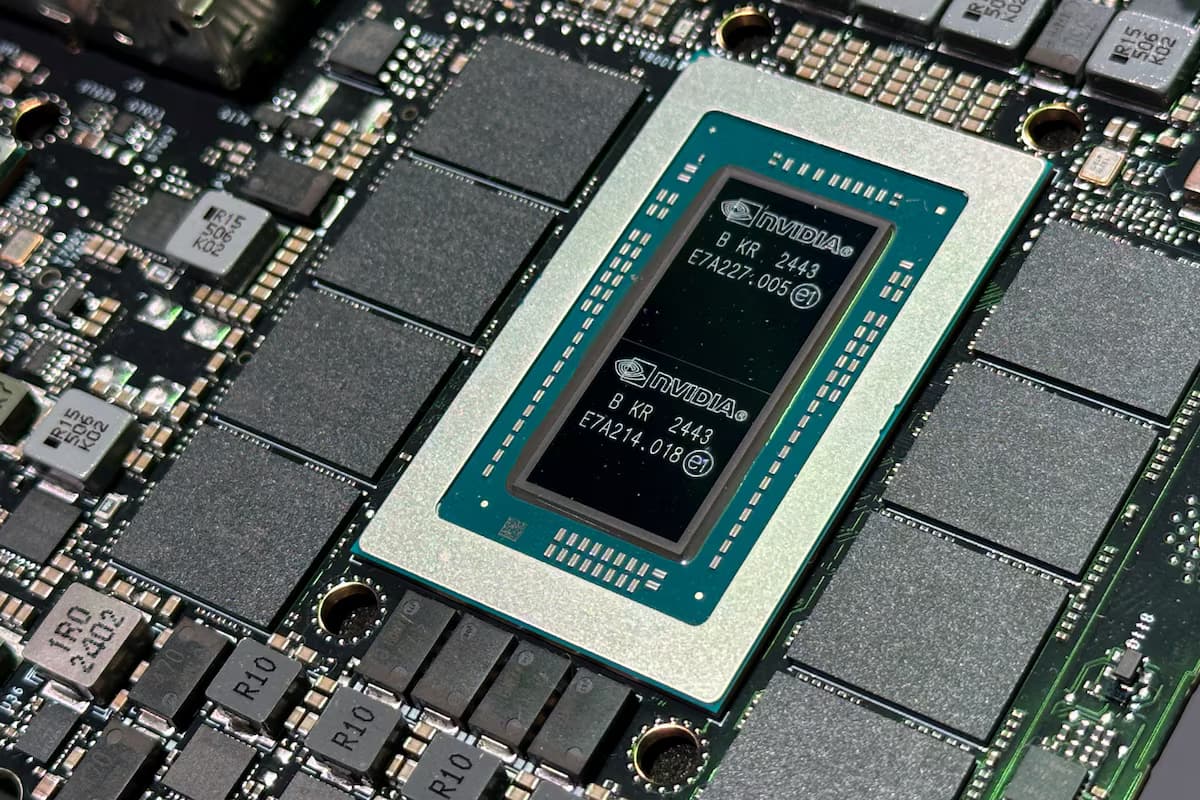
Recent reports indicate that ByteDance and Tencent have taken delivery of 10,000 Nvidia H200 processors each. This development follows a period of regulatory uncertainty regarding the accessibility of advanced American semiconductors. While the U.S. government implemented strict export bans on high-performance AI hardware to prevent military-related advancements, specific permissions were granted in late 2025 for certain Chinese customers to procure these chips. These processors are viewed as essential for local firms aiming to train competitive frontier AI models. Despite the influx of hardware, Chinese authorities have reportedly requested that the companies house these units outside of the mainland, specifically in Hong Kong, as the nation simultaneously works to bolster its own domestic chip manufacturing capabilities and decrease its reliance on foreign technology suppliers.
Navigating the Cloud-Based Loophole
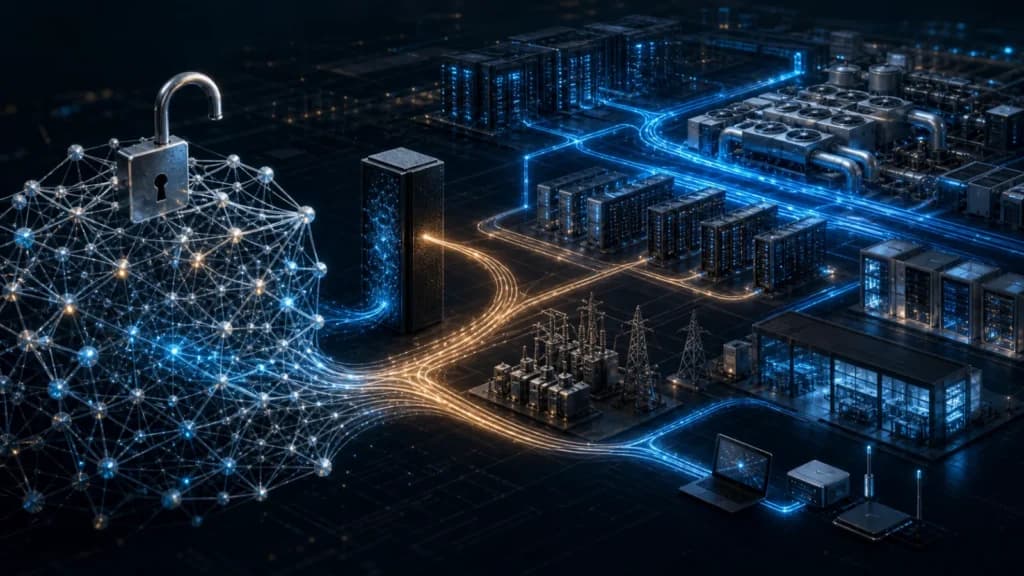
Beyond physical hardware, Chinese technology firms are actively bypassing export barriers by accessing compute power through cloud providers located in Southeast Asia. Analysts and U.S. officials have noted that companies like ByteDance and Alibaba leverage infrastructure in countries such as Thailand, Malaysia, and Japan to utilize Nvidia chips remotely. Legal experts explain that current U.S. export controls are primarily focused on the physical ownership and transfer of semiconductors, leaving a regulatory gap for remote cloud access. Because these Chinese firms do not technically own or hold title to the physical hardware, their use of such services has remained within existing legal parameters, frustrating efforts by Washington to completely restrict access to the most capable AI training resources.
Legislative Challenges and RASA
To address the remote access issue, the U.S. government has proposed the Remote Access Security Act (RASA), which intends to expand export controls to cover cloud-based hardware usage. Although the bill successfully passed the House of Representatives in early 2026, it remains stalled in the Senate. Proponents of the legislation argue that the current loophole threatens national security by allowing restricted compute power to reach those on a watch list. However, industry stakeholders have expressed concern over the compliance burdens this would place on cloud providers. Implementing a system for customer verification and monitoring would require complex enforcement mechanisms, and even if the bill were passed, the Department of Commerce would still need to draft specific rules to define exactly which compute resources fall under the new control regime.
Booming Infrastructure in Southeast Asia
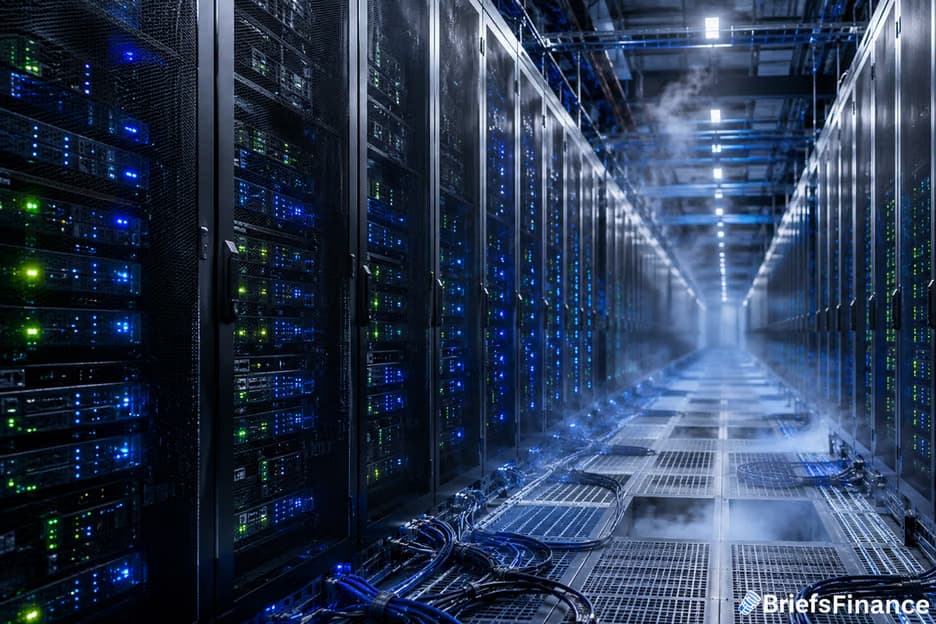
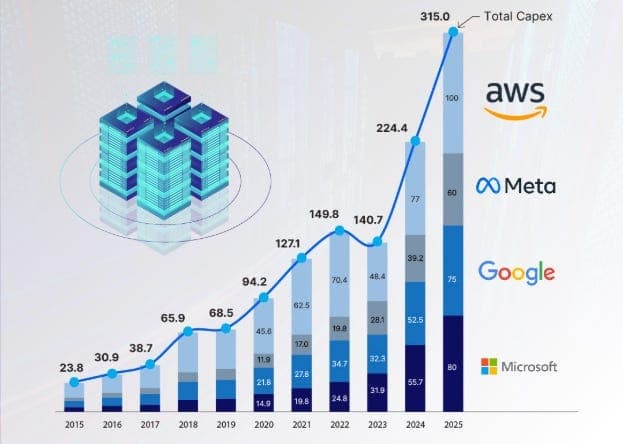
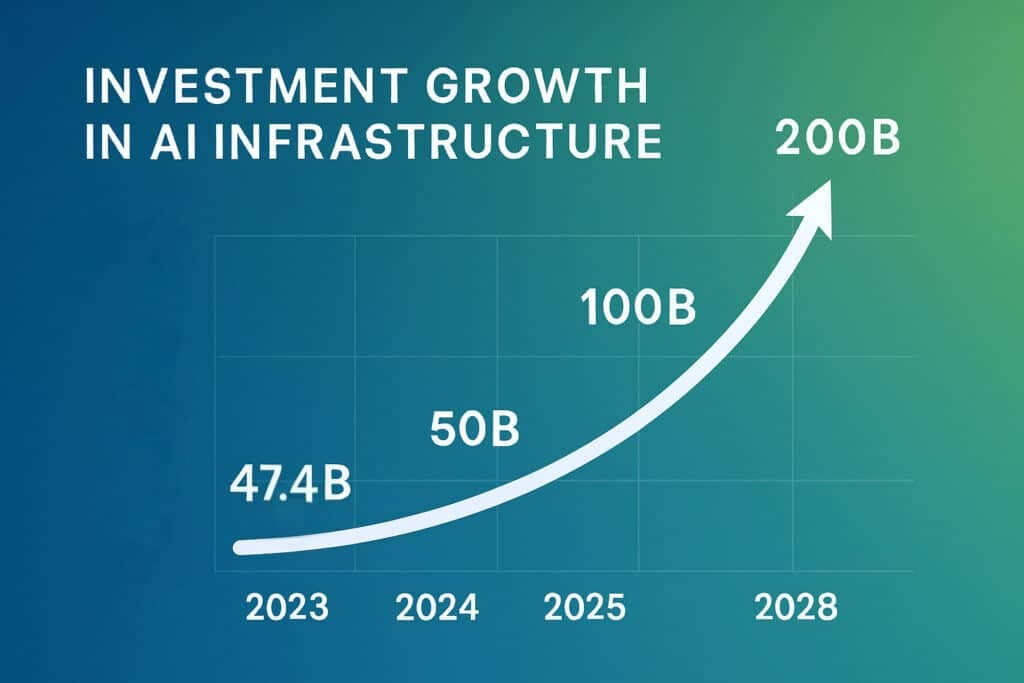
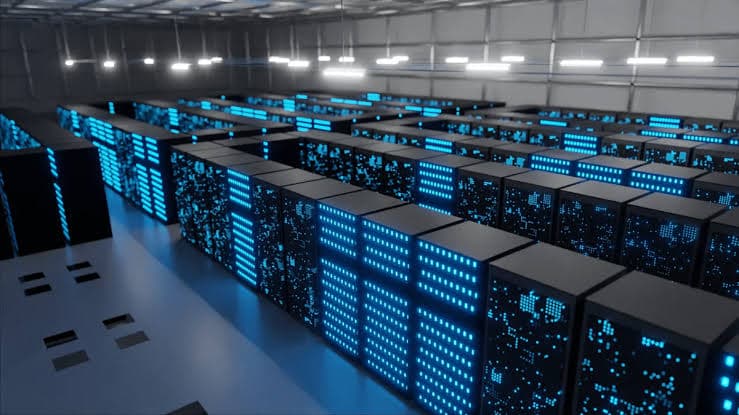
The intense demand for AI capabilities has spurred a rapid transformation of data center infrastructure across Southeast Asia. As companies search for alternative ways to satisfy their compute requirements, the region has seen a surge in investment and construction. Market data from sources like JLL suggests that global data center capacity is on track to reach 200GW by 2030, with a significant portion of this growth concentrated in Malaysia, Indonesia, and Thailand. Whereas these countries previously hosted only a small number of large-scale facilities, there are now dozens of planned projects exceeding 100MW in capacity. This regional expansion is facilitating the work of Chinese hyperscalers, as cloud providers seek to serve a global customer base without violating the nuances of existing international trade regulations.
⚖ The Balanced View
Supporting view
Supporters of the trade arrangements argue that access to advanced compute is vital for Chinese firms to maintain parity in the global AI race, and that the current legal framework allows for remote access since no physical hardware is changing hands.
Concerns & criticism
Critics and security experts argue that the existing regulatory loophole directly undermines U.S. national security by allowing Chinese labs to train frontier AI models despite export bans, necessitating urgent legislative action like the Remote Access Security Act.
→What's next
The immediate focus shifts to the U.S. Senate, where the fate of the Remote Access Security Act remains in limbo. If passed, the Bureau of Industry and Security will face the daunting task of creating enforceable rules for cloud compliance that do not stifle the broader global AI infrastructure market.