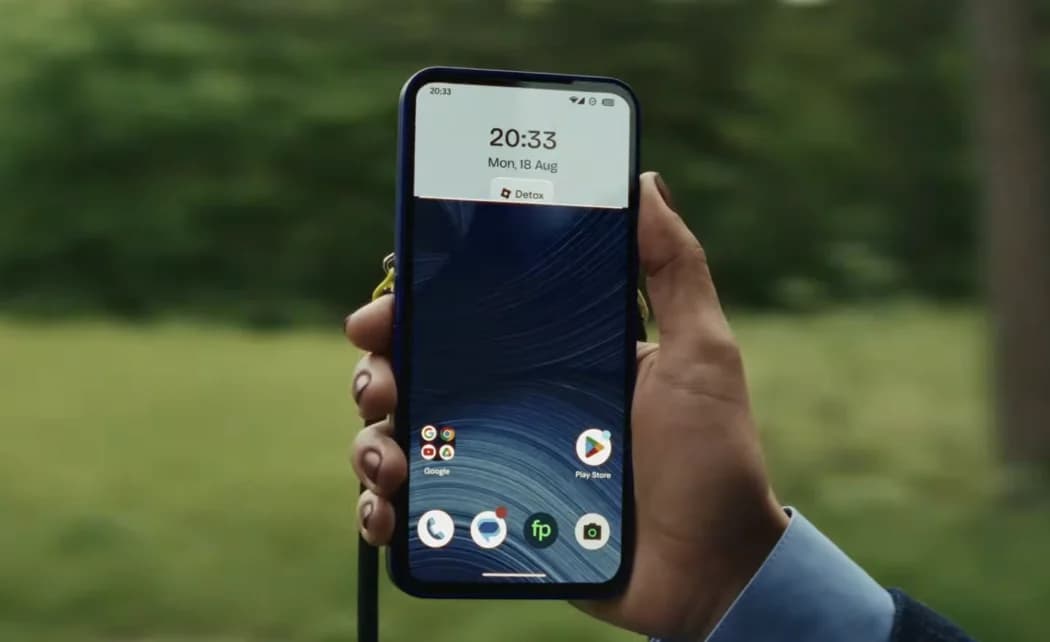

Fairphone has officially launched its Gen 6+ smartphone in the United States, marking the first time the company has offered a non-modified version of its flagship modular phone directly to American customers. The device emphasizes longevity through a user-repairable design, including a swappable battery and various modular components.
Market Expansion and Accessibility
For over a decade, the Dutch hardware manufacturer Fairphone has maintained a strong presence in the European market by prioritizing ethical labor practices and environmental sustainability. While the company previously established a foothold in the United States through the sale of repairable audio accessories and a niche partnership involving a de-Googled operating system, the Gen 6+ launch represents their first direct entry into the mainstream American smartphone market. CEO Raymond van Eck has positioned this move as a direct challenge to the US smartphone industry's current duopoly, which he describes as being characterized by planned obsolescence and closed ecosystems. Despite the challenges of competing in a landscape where approximately 66 percent of device sales are mediated through carriers, the company is actively pursuing partnerships with major US mobile networks and virtual operators to broaden its retail footprint beyond direct online sales on platforms like Amazon.
Hardware Design and Repairability
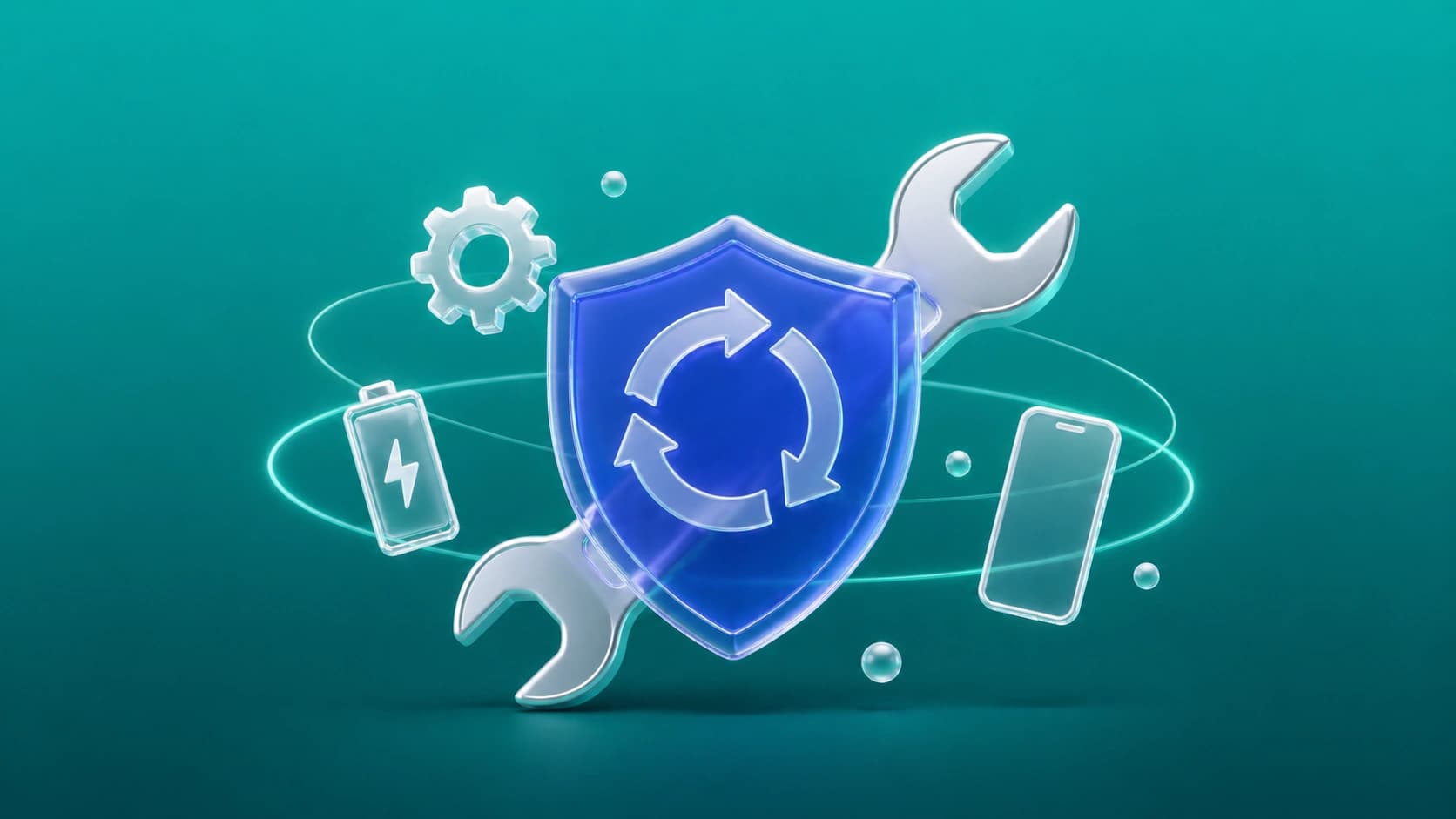
The central value proposition of the Fairphone Gen 6+ is its modular architecture, which is designed to extend the functional lifespan of the hardware by allowing users to perform their own maintenance. The device features 12 distinct modular elements that can be replaced or serviced using nothing more than a standard screwdriver, a tool included with the purchase of the phone. Specific components like the battery, USB-C charging port, camera modules, and the screen are all designed to be user-swappable. This modularity is bolstered by a supply of affordable replacement parts; for example, a screen replacement is priced at approximately $90, while a new battery costs $40. This design philosophy has earned the Fairphone series a 10/10 repairability score from iFixit, directly contrasting with traditional consumer flagship devices that often require professional service and costly extended warranties to address common hardware failures.
Technical Specifications and Features
Under the hood, the Fairphone Gen 6+ serves as a refined update to the previous Gen 6 model. It is powered by Qualcomm’s Snapdragon 7s Gen 4 processor and features a substantial 12GB of RAM, an upgrade intended to ensure the device remains performant enough to support future software demands, including potential AI-integrated features. The handset includes a 6.31-inch LTPO OLED display with an adaptive 120Hz refresh rate and a 4,415 mAh battery supporting 30W fast charging. Imaging is handled by a 50-megapixel primary sensor and a 13-megapixel ultrawide lens on the rear, complemented by a 32-megapixel front-facing selfie camera. Notably, the device also includes a physical switch designed to toggle 'Fairphone Moments,' a stripped-back interface intended to minimize digital distractions. Furthermore, the phone retains a microSD card slot, a feature that has largely vanished from most modern flagship handsets.
Sustainability and Ethical Commitment
Beyond simple hardware longevity, Fairphone centers its brand identity on a comprehensive commitment to ethical supply chains and environmental responsibility. The Gen 6+ is constructed using over 50 percent recycled or fair-trade materials, and the company has achieved a 30 kg CO2e carbon footprint per unit manufactured. The company holds a platinum EcoVadis rating and maintains Certified B Corp status, providing external verification for its claims regarding factory worker wages and renewable energy usage in assembly. A specific color variant, Cobalt Blue, was introduced to highlight the company’s efforts to improve labor conditions in the Democratic Republic of Congo, where the cobalt used in battery production is extracted. Fairphone is committed to long-term software support, promising updates through 2033 to further discourage the cycle of frequent device upgrades that characterize the current consumer electronics industry.
⚖ The Balanced View
Supporting view
Supporters, including Right to Repair advocates, view Fairphone's entry as a critical demonstration that smartphones do not have to be designed for obsolescence and that consumers deserve the choice to maintain their own hardware long-term.
Concerns & criticism
Industry observers and the manufacturer itself acknowledge the difficulty of entering a carrier-dominated market, where US consumers are accustomed to subsidized, closed-box handsets and high-performance flagship devices.
→What's next
Fairphone plans to maintain its two-year product development cycle rather than pivoting to the annual release schedules common in the mobile industry. The company is currently working toward establishing partnerships with major US mobile carriers and is preparing to launch its next-generation wireless earbuds, the Fairbuds 2, later this year.