
Google has initiated a significant agreement with Marvell Technology that allows for the purchase of up to $12.2 billion in company shares, formalizing a deeper partnership for custom AI chip production. This move intensifies competition with Broadcom as Google scales its internal custom silicon capabilities.
An Expanded Strategic Alliance
Google has officially deepened its hardware collaboration with Marvell Technology, marking a strategic pivot in its quest to maintain dominance in artificial intelligence. A recent securities filing confirms that Google has secured the option to purchase nearly 59 million shares of Marvell, valued at over $12 billion, at a set price of $206.58 per share. This financial commitment is directly tied to a multi-year roadmap that spans until the 2033 fiscal year. By integrating Marvell’s technology, Google aims to bolster its tensor processing unit (TPU) ecosystem, which remains the backbone of the company’s massive AI-driven workloads. This isn't just a simple supplier contract; it is a significant equity-backed agreement that signals Google’s long-term reliance on Marvell’s engineering prowess to navigate the evolving demands of modern AI infrastructure.
Technical Scope of the Partnership
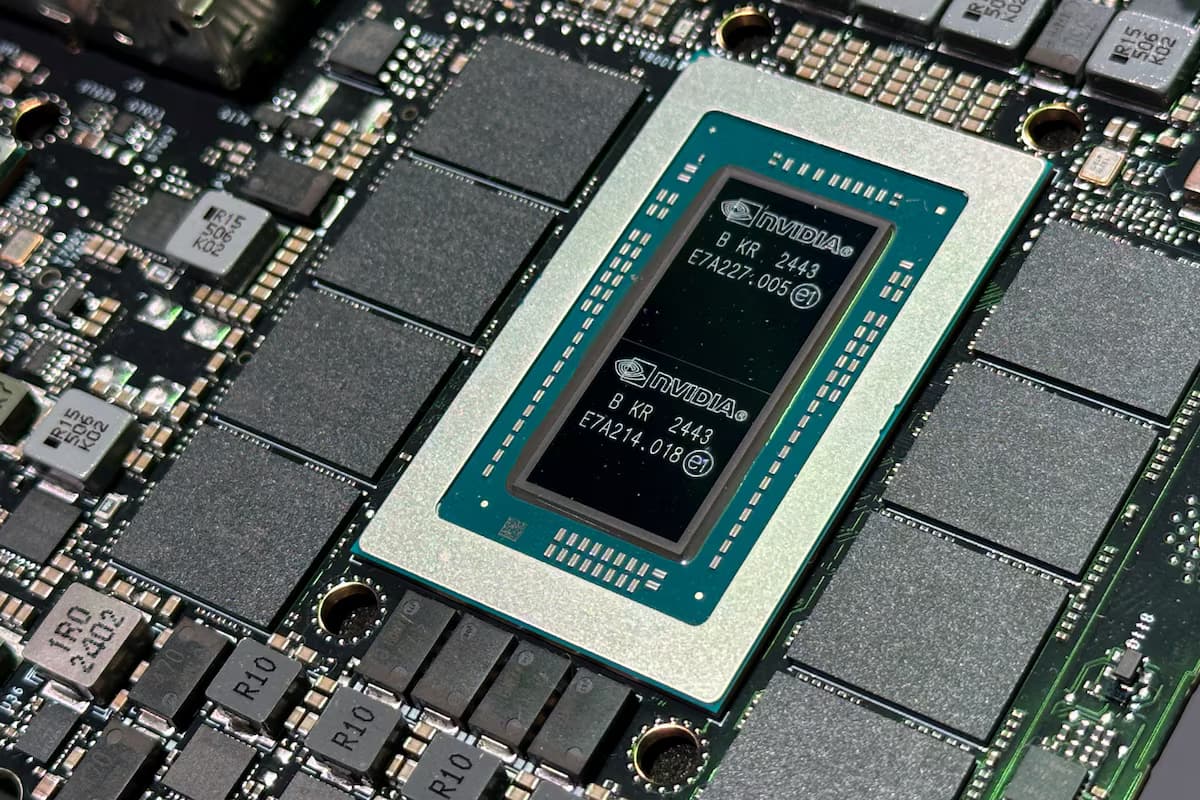
The technical collaboration between the two companies centers on critical components required for the next generation of AI compute. According to official disclosures, the scope includes the development of artificial intelligence inference accelerators, as well as specialized storage and network interface controllers. These components are designed to attach directly to Google’s existing TPU ecosystem, enhancing the performance and efficiency of its data centers. Industry analysts had previously speculated on this partnership earlier in the year, when reports emerged regarding the development of memory processing units and dedicated TPU support. By folding these sophisticated controllers into its internal chip design, Google is effectively optimizing its hardware stack to handle increasingly complex model training and deployment demands without relying solely on third-party commercial GPUs, such as those produced by Nvidia.
Shifting Landscapes in Custom Silicon
For over a decade, Google has primarily turned to Broadcom as its key collaborative partner for custom chip silicon. The announcement of the Marvell deal represents a clear diversification strategy, pitting the two silicon giants against one another to compete for Google’s business. While Google expanded its existing agreement with Broadcom as recently as April 2026, the introduction of Marvell as a major, equity-linked partner suggests that Google intends to manage its supply chain risks more aggressively. The financial markets reacted immediately to the news: Marvell’s stock price surged nearly 10% following the disclosure, reflecting investor optimism regarding the firm's role in the AI gold rush. Conversely, Broadcom experienced a decline of approximately 5% on the same day, underscoring the high-stakes nature of these multi-billion dollar infrastructure contracts among major cloud providers.
Broad Industry Implications
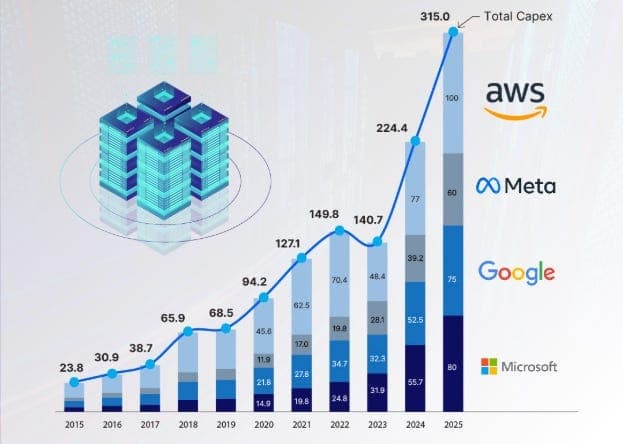
The move by Google is consistent with a broader trend among the world's largest tech conglomerates, including Amazon, Meta, and Microsoft, to develop custom silicon. These corporations are actively seeking to reduce their dependency on expensive, high-demand chips from industry incumbents like Nvidia. By bringing chip development in-house or co-designing specialized hardware, these companies hope to create more cost-effective substitutes that are perfectly tailored to their specific cloud and AI software environments. Google’s latest move with Marvell exemplifies this shift toward a vertical integration strategy, where the software giant dictates the technical requirements and long-term supply volume for the hardware that powers its most critical machine learning operations. As these giants compete for the 'AI crown,' the ability to secure and scale custom chip production through partners like Marvell becomes a primary competitive advantage.
⚖ The Balanced View
Supporting view
Supporters of the deal highlight that Google is successfully diversifying its supply chain, which reduces risk and lowers costs compared to relying exclusively on expensive, generic commercial chips.
Concerns & criticism
The primary concern reflected in the market is the potential loss of business for incumbent partner Broadcom, whose stock price dropped immediately following the announcement of Google's expanded relationship with a direct competitor.
→What's next
Google will continue to roll out the new hardware components, including inference accelerators and interface controllers, as it hits purchasing targets through 2033. Investors and industry analysts will closely monitor subsequent earnings reports for signs of further competition between Marvell and Broadcom within Google's cloud ecosystem.