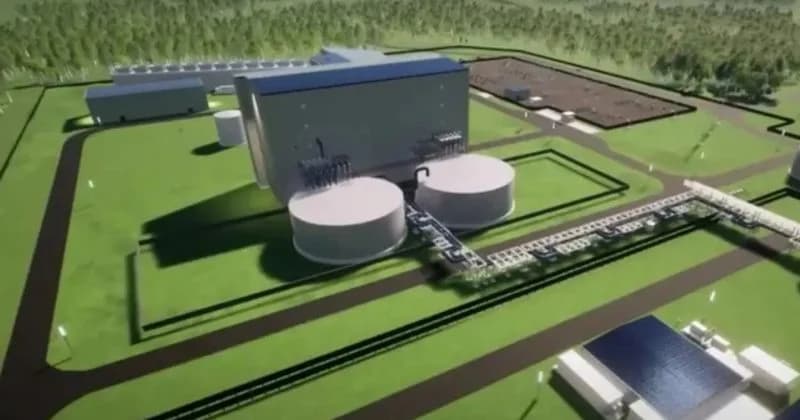

TerraPower is preparing to launch its second nuclear power plant project, which utilizes a unique molten salt storage system to manage the rapid energy fluctuations required by AI data centers. The company plans to announce the specific site for this data center initiative later this year, with ground expected to be broken in 2027.
Strategic Integration with AI Infrastructure
As artificial intelligence continues to scale, the demand for stable, consistent electricity has become a critical bottleneck. While renewable energy is popular, data centers require a constant and reliable load, leading many firms to turn toward nuclear energy. TerraPower, established by Bill Gates, is positioning its latest generation of small modular reactors (SMRs) to meet this massive energy appetite. The company is set to announce its first dedicated data center project before the end of the year, following its previous announcement in January regarding an agreement to supply eight Natrium plants to Meta. This upcoming project will represent the startup's second power plant, following the initial facility currently under construction in Wyoming.
The Challenge of Nuclear Flexibility
Nuclear reactors are historically characterized by their high capacity factor, operating at maximum power output roughly 92.5% of the time in the United States. However, this reliability often comes at the cost of flexibility. According to data from the National Laboratory of the Rockies (NLR), traditional nuclear reactors are slow to adjust their output, typically limited to a change of about 5% of rated capacity per minute. Newer SMR designs offer some improvement, capable of ramping at approximately 10% per minute. Despite these advancements, operating reactors at reduced capacity is economically inefficient, particularly because nuclear technology requires high upfront capital expenditure that necessitates constant operation at peak capacity to recover costs.
Solving Load Volatility with Molten Salt
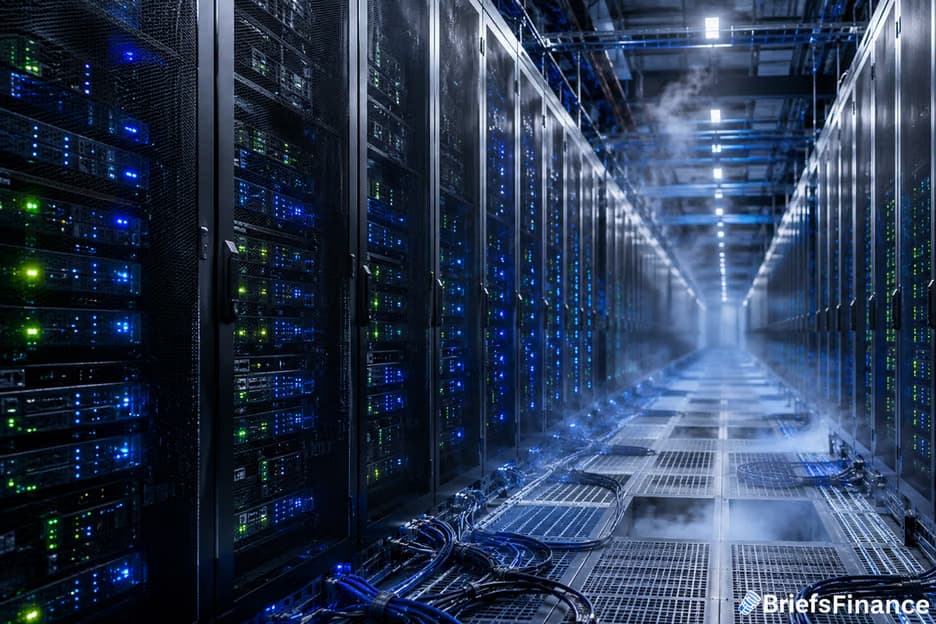
Data center power consumption is inherently volatile, with energy loads rising and falling rapidly as GPU clusters initiate AI training tasks or respond to user prompts. Conventional power sources, including natural gas turbines, have struggled to sustain the rapid load shifts demanded by these environments without significant support from expensive battery banks. TerraPower’s solution involves a 345-megawatt molten salt-cooled reactor designed to decouple power generation from immediate demand. Rather than cycling the nuclear reactor itself, the system continues to split atoms at a constant rate, diverting excess heat into a massive reservoir of molten sodium. This reservoir allows the plant to throttle output by managing steam generation, effectively absorbing the fluctuations that would otherwise stress the electrical grid or the reactor core.
Industry Implications and Future Outlook
The ability to pair a high-capacity nuclear source with internal energy storage provides a significant competitive edge. By using the molten sodium reservoir as a buffer, TerraPower can effectively smooth out the power delivery curve, allowing the core equipment to operate efficiently even when the external grid or data center demand is low. This strategy addresses the financial constraints of nuclear energy by allowing the company to amortize its substantial capital investment over more active operational hours. While mass manufacturing of SMRs remains an unproven goal that may take a decade to fully realize, this flexible approach offers a viable bridge for AI-driven companies seeking to balance high energy needs with grid reliability.
⚖ The Balanced View
Supporting view
TerraPower’s use of molten salt energy storage addresses the critical issue of power intermittency, allowing the reactor to remain at a constant, efficient output while meeting the volatile demand spikes common in AI computing.
Concerns & criticism
The high capital expenditure inherent in nuclear energy technology remains a major hurdle; the industry is currently betting on the mass manufacturing of SMRs to lower these costs, a transition that has not yet been proven and may take over ten years to mature.
→What's next
TerraPower plans to formally announce the details of its inaugural data center project before the close of 2026. Following this disclosure, the company intends to begin physical construction of the facility in 2027.