
Google has officially released its 2026 Pixel 11 series, featuring a new Tensor G6 processor and innovative software tools like Rambler voice-to-text. While hardware changes remain largely iterative, the lineup continues to emphasize computational photography and integrated AI assistance.
An Iterative Hardware Update
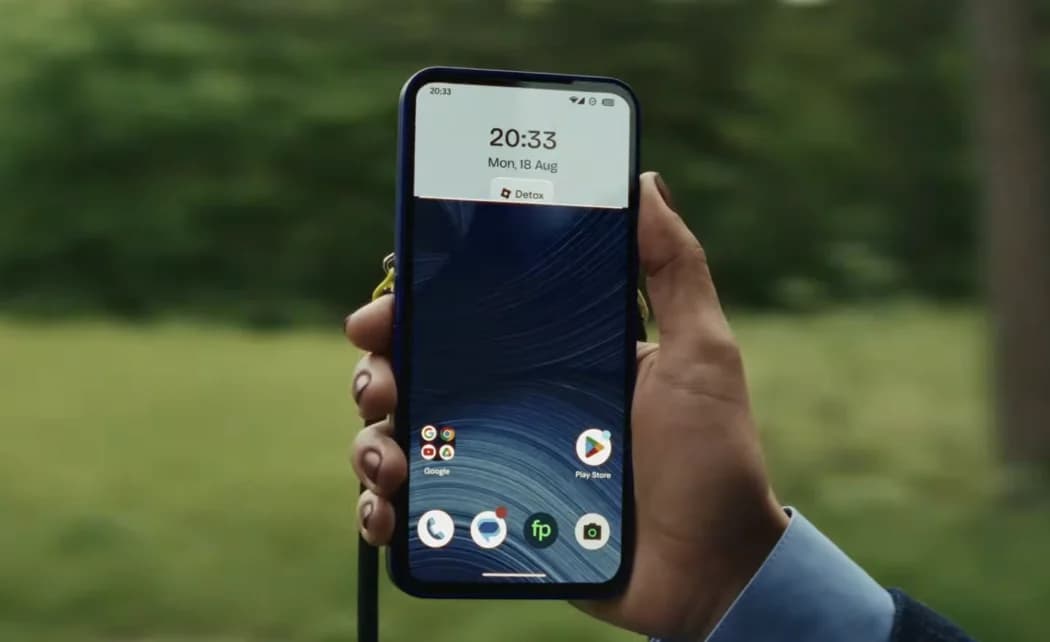
The 2026 Pixel 11 series continues Google's trend of refined but incremental hardware evolution. The design maintains the familiar aluminum and glass sandwich aesthetic seen in previous generations, though the base model now features a flatter camera bar for improved pocketability. Internally, the phones are powered by the new Tensor G6 processor, which promises performance gains for imaging and AI-driven tasks. While the Pro models include minor improvements like more base storage, brighter screens, and faster charging, the hardware overall feels familiar to existing users. Notably, the base model has seen a $100 price increase compared to its predecessor, bringing it to an $899 starting point. Despite the lack of radical physical changes, the devices maintain their status as premium Android handsets with features like Qi2 magnetic support, ensuring they remain competitive within the high-end smartphone market.
The Rise of Rambler and AI Integration
The most significant advancement in the Pixel 11 series is the introduction of Rambler, a sophisticated AI-powered voice-to-text tool. Unlike standard transcription services, Rambler utilizes natural language processing to intelligently filter out filler words like 'ums' and 'uhs' while editing the text in real-time based on the user's intended corrections. It also supports complex formatting requests, such as adding bullet points, and shows remarkable capability in romanizing non-English languages like Malayalam. Complementing this is 'Proactive Intelligence,' an evolution of previous helpful-suggestion features. By integrating with Google Messages, this AI surfaces relevant calendar information or restaurant search suggestions based on current conversations, allowing users to perform tasks without switching apps. While these tools currently show limitations—such as being largely tethered to the Messages app—they represent Google's push toward a more intuitive, conversational mobile experience.
Camera Innovations and Limitations
Google’s camera system remains a primary selling point for the Pixel 11, though the hardware changes are subtle. The lineup features a larger main sensor and improved telephoto light sensitivity. The most ambitious addition is 'Magic Capture,' which creates a fusion of video and still photos to preserve dynamic moments, such as sports or social events, without requiring perfect shutter timing. For zoom enthusiasts, the Pro models offer up to 120X zoom using AI upscaling, while the base Pixel 11 reaches 30X 'Super Zoom.' However, reviews indicate that while these features offer novelty, extreme digital zoom can still result in a loss of detail. A notable software improvement is the refined Portrait mode, which now handles hair detection and edge blurring with much greater accuracy. While 'Instant Night Sight' is marketed as being significantly faster, users may still experience minor delays when capturing images in low-light environments.
Performance and Battery Concerns
While the Tensor G6 chip handles everyday tasks effectively, the Pixel 11 series faces challenges in high-end gaming. Some users have reported graphical glitches and suboptimal performance in demanding titles like 'Genshin Impact,' with one reviewer noting a persistent purple screen issue. A Google spokesperson confirmed that they are working with the developer to optimize performance for the hardware. Beyond gaming, the battery life is described as merely adequate. Testing suggests that power users will likely need a mid-day charge, as typical usage patterns yield roughly four hours of screen-on time before hitting low-battery thresholds. These performance limitations are becoming increasingly scrutinized given the premium price tags of $1,099 and $1,299 for the Pro variants. As the industry moves toward more efficient battery technologies, there are growing calls for Google to adopt more advanced solutions to keep pace with competing flagships.
⚖ The Balanced View
Supporting view
The Rambler feature is widely praised as a major advancement in voice-to-text accuracy and utility, and the camera system remains a top-tier choice for photography enthusiasts.
Concerns & criticism
The devices have seen a price increase of $100 for the base model, battery life is described as only adequate for power users, and the hardware suffers from gaming-specific graphical bugs and a generally iterative design.
→What's next
Google is expected to work with developers to patch the graphical performance issues currently affecting specific high-end games. Additionally, the company may eventually roll out the exclusive Rambler feature to older Pixel devices, though no formal timeline has been confirmed.