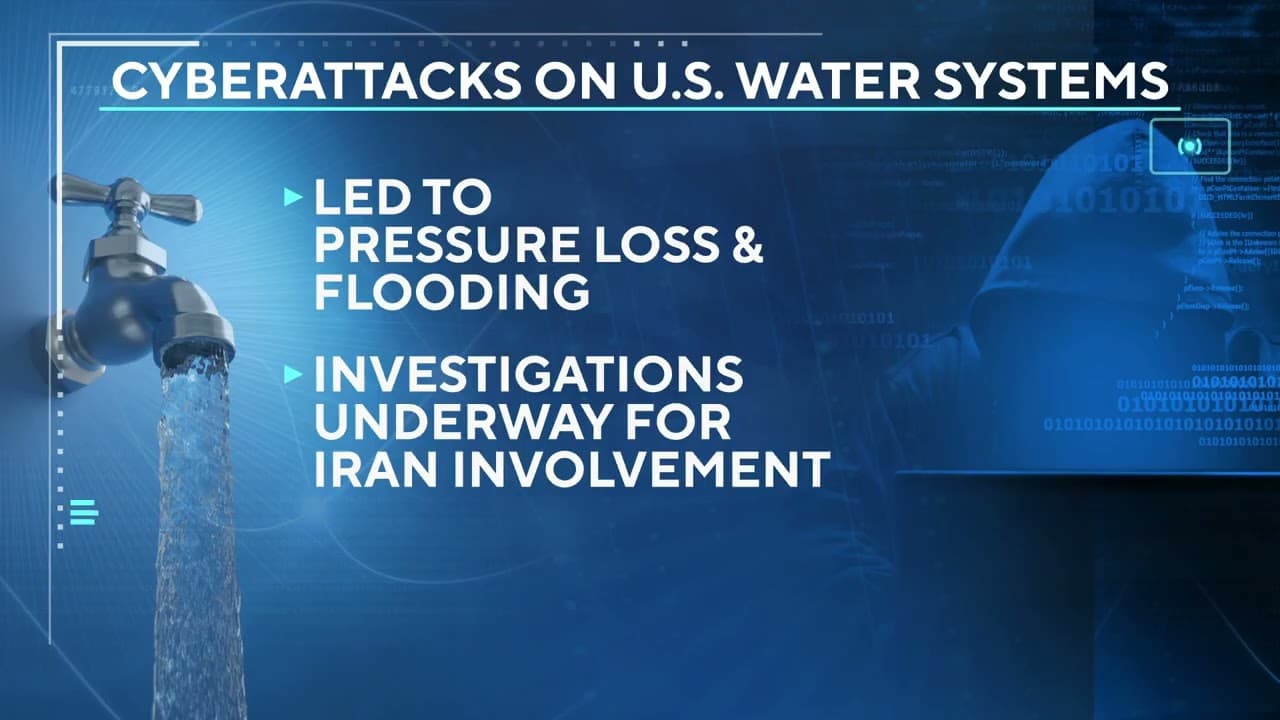

Federal agencies have officially warned that attackers are now utilizing AI-generated code to target and exploit vulnerabilities in critical infrastructure control systems. This shift marks a transition where previously theoretical security risks posed by automated code generation are becoming a reality for operational technology.
The Escalation of Automated Cyber Threats
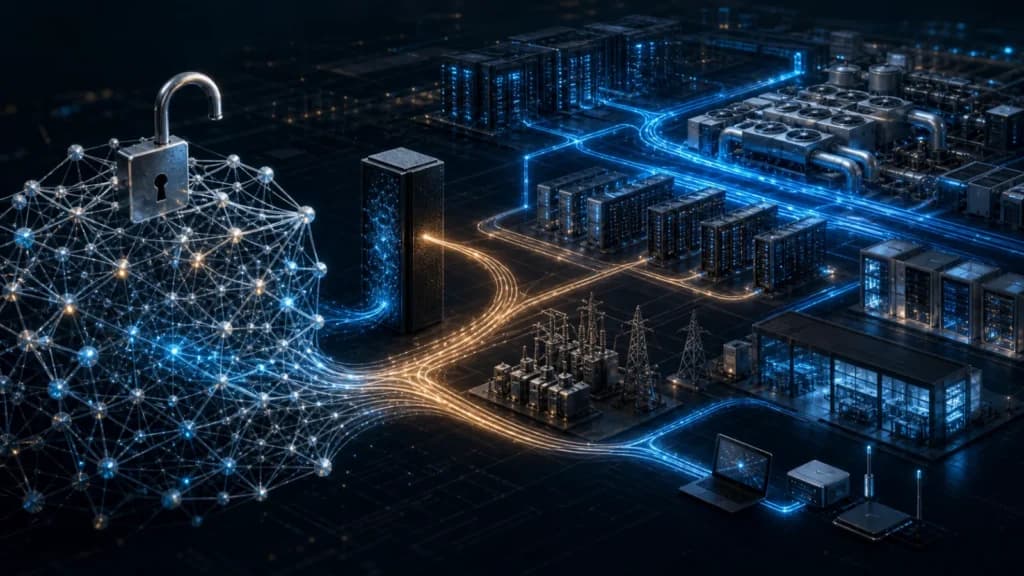
The landscape of cyber threats has evolved significantly as federal authorities confirm that artificial intelligence is now being actively employed to facilitate attacks on vital infrastructure. While the potential for AI to be misused by malicious actors to draft exploit code has long been debated in cybersecurity circles as a theoretical risk, the current reality has moved beyond mere speculation. Government officials have alerted stakeholders that threat actors are successfully leveraging generative tools to craft code designed to compromise industrial control systems (ICS). These systems are the digital backbone of essential services, including power grids, water treatment, and manufacturing pipelines. The ability for attackers to utilize AI to accelerate the discovery and exploitation of software flaws poses a significant challenge for defenders who must now contend with an adversary that can scale its offensive capabilities with unprecedented efficiency.
Targeting Operational Technology
The focus of these AI-driven campaigns remains the fragile domain of operational technology. Industrial control systems, which were often designed with longevity and reliability in mind rather than modern cybersecurity hardening, are now being subjected to automated reconnaissance and exploitation attempts. By utilizing AI-generated scripts, attackers can identify weak points in specialized protocols and legacy software that govern physical machinery. The concern is that the low barrier to entry created by AI assistants allows less sophisticated actors to execute high-impact attacks against complex, sensitive environments. Because these systems often lack the rapid patching cycles found in standard enterprise IT, an AI-generated exploit that circumvents a specific configuration can lead to prolonged exposure and a heightened risk of physical disruption to critical processes that society relies on for daily operation.
Industry Defense and Hardening Efforts
In response to the growing realization that defensive measures must keep pace with AI-augmented threats, industry experts and security communities are doubling down on infrastructure resilience. Events such as the DEF CON 'Franklin project' exemplify a growing movement to crowdsource the discovery of vulnerabilities in order to harden essential infrastructure against both traditional and AI-assisted probes. Jeff Moss, noting the success of long-standing initiatives like the voting village, has emphasized that integrating these defensive exercises into broader security conferences is essential for preemptive protection. The goal is to create a robust defensive posture that assumes the adversary is operating with an AI advantage. As federal agencies heighten their oversight, the expectation is that critical operators will prioritize the segmentation of networks and the adoption of more resilient control architectures that can withstand automated manipulation attempts.
Broader Implications for Security Infrastructure
The weaponization of AI in this context signals a structural shift in the threat economy. Just as ransomware changed the nature of financial crime on the internet, the use of AI to weaponize vulnerabilities against infrastructure forces a rethink of standard defense strategies. Organizations can no longer rely solely on human-led threat hunting to detect malicious code generation when the attacker's output is optimized by machine learning. This dynamic necessitates a move toward automated, AI-driven defense mechanisms that can detect patterns of exploit development before they are unleashed on critical production systems. The cybersecurity industry is faced with an arms race where the efficacy of an attack is tied to how effectively a model can navigate a complex, proprietary software stack. Stakeholders must now consider how to balance the accessibility of AI tools against the severe risks they pose when applied to the control interfaces governing the world's most vital hardware.
⚖ The Balanced View
Supporting view
Defensive initiatives, such as the DEF CON Franklin project, demonstrate a collaborative industry commitment to proactively identifying infrastructure vulnerabilities before they are exploited in the wild.
Concerns & criticism
The primary concern is that AI-generated exploits lower the barrier to entry for attackers, allowing them to rapidly generate high-impact code for critical systems that are typically slow to patch.
→What's next
Federal agencies and security researchers are expected to continue monitoring the integration of AI tools into the attacker's toolkit. Future efforts will likely focus on developing defensive AI that can recognize the signatures of machine-assisted exploit generation to neutralize these threats at the perimeter.