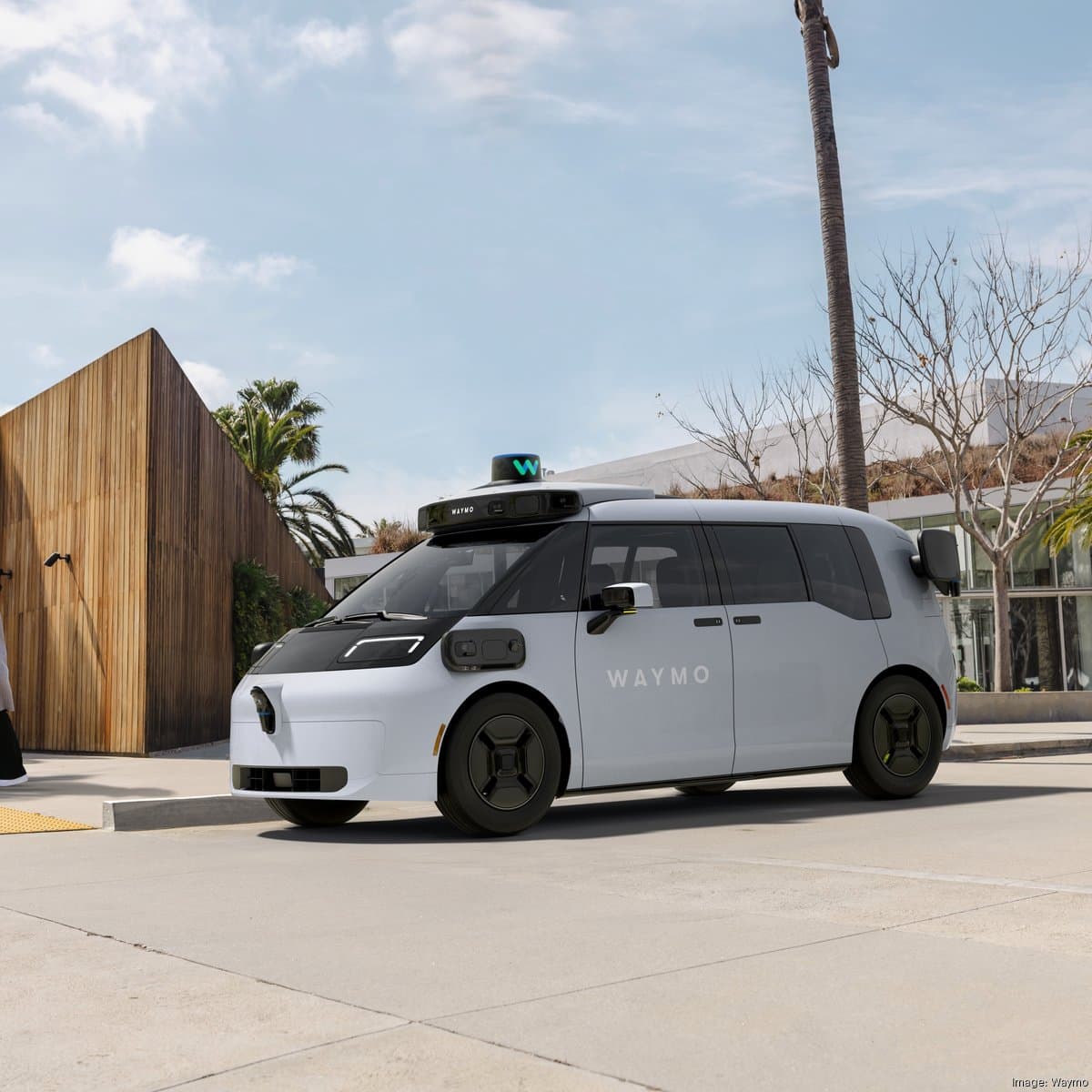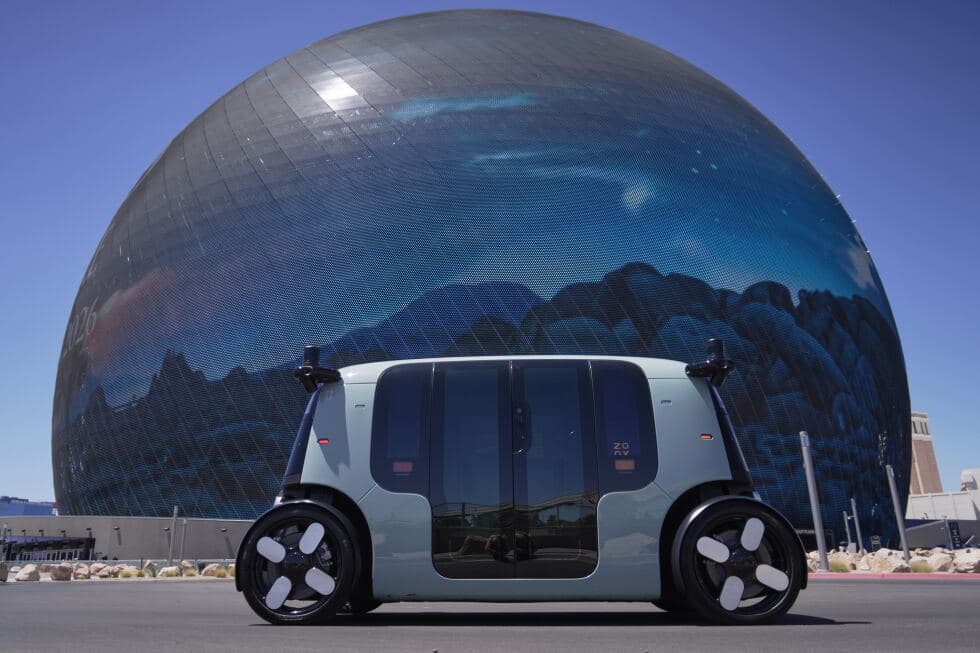

Waymo has opened access to its next-generation Ojai robotaxis for all riders in San Francisco, Phoenix, and Los Angeles. This rollout marks a significant shift as the company scales its fleet with more cost-effective, custom-built vehicles.
Expansion of the Ojai Robotaxi Fleet
Waymo has officially transitioned the Ojai robotaxi from limited testing to full availability for all passengers in Los Angeles, San Francisco, and Phoenix. This milestone represents a strategic move for the Alphabet subsidiary, which aims to phase out its dependence on the modified Jaguar I-Pace hatchbacks that have served as the backbone of its service for years. While the legacy Jaguar fleet remains in operation, the Ojai model is designed for mass-market scalability. The company currently maintains a fleet of approximately 300 Ojai vans, with plans to expand this footprint significantly throughout the remainder of the year. Beyond the initial three cities, Waymo intends to introduce these purpose-built vans to Denver, Las Vegas, and San Diego, further accelerating its geographic presence.
Engineering and Design Philosophy
The Ojai robotaxi is the first vehicle in Waymo’s fleet to be purpose-built for autonomous transit. Constructed by Geely-owned Zeekr, the minivan utilizes the SEA-M platform, an architecture specifically engineered to support robotaxi and delivery van applications. By moving away from retrofitted consumer vehicles, Waymo expects to see improvements in durability, maintenance costs, and assembly efficiency. Each van is imported to an Arizona facility where Waymo integrates its sixth-generation self-driving hardware and software stack. The vehicle features a redesigned user interface and integrates Google’s Gemini AI as an interactive in-car assistant. Crucially, the system is modular, allowing Waymo to apply its autonomous software across a variety of future vehicle types, a key component of its long-term strategy for achieving widespread operational profitability.
Economic Challenges and Supply Chain
Despite the Ojai's potential to lower operational costs, the transition is not without financial hurdles. Because the vehicles are manufactured in China, they are subject to significant import tariffs that increase the total expenditure for each unit deployed in the U.S. market. To mitigate data and security concerns, the vehicles arrive in the country without any Chinese connected-car technology, ensuring that only Waymo-developed systems handle the vehicle's autonomy and communication. Market analysts at MoffettNathanson estimate that Waymo is aggressively ramping up its supply, tracking shipments that suggest the company could bring up to 5,000 Ojai vehicles into the United States by the conclusion of 2026. This influx would effectively double the size of the current Waymo robotaxi fleet, highlighting the company's commitment to scaling despite the rising costs associated with trade policies.
Safety Record and Operational Context
While the company enjoys success with its hardware rollout, recent operational history has been marked by technical challenges. Waymo previously faced setbacks, including a recall of its fleet after instances where vehicles entered closed construction zones. Additionally, the company had to suspend highway-driving features in May following earlier debuts, only restoring that functionality in July 2026. These events underscore the complexities inherent in operating an autonomous fleet at scale in dense urban environments. Despite these hurdles, Waymo continues to secure new permits, including recent approvals to test driverless cars in Sacramento and San Diego. The company is balancing these regulatory gains and hardware upgrades with the constant necessity of proving that its autonomous systems can safely navigate the nuances of varying traffic conditions and road infrastructure.
⚖ The Balanced View
Supporting view
The Ojai model utilizes a modular sixth-generation self-driving system and a purpose-built platform (SEA-M) designed to be cheaper to maintain and build than previous retrofitted models.
Concerns & criticism
Waymo has faced operational scrutiny after vehicle recalls regarding construction zone navigation and temporary suspensions of its highway-driving service.
→What's next
Waymo plans to introduce the Ojai robotaxis to Denver, Las Vegas, and San Diego later this year. The company will continue to scale its import operations as it attempts to bring roughly 5,000 total Ojai units into the country by the end of 2026.