
T-Mobile security personnel identified a breach by a Chinese-backed group known as Salt Typhoon and successfully expelled them by physically cutting a network cable. This decisive action prevented a wider compromise of the company’s infrastructure, contrasting with larger industry-wide intrusions experienced by other major telecom providers.
The Intrusion and Detection Effort
The incident centers on a 2024 cybersecurity campaign conducted by Salt Typhoon, a group backed by the Chinese government. The broader objective of this campaign was extensive, targeting numerous major telecommunications providers, internet giants, and data center operators. By infiltrating these networks, the attackers sought to harvest sensitive information, specifically phone records and private data related to prominent U.S. government officials, including individuals who were presidential candidates at the time. While companies such as AT&T, Verizon, and Viasat were among those caught in the sweep, T-Mobile’s internal team managed to identify the intrusion early. After months of attempting to locate the presence of the hackers within their digital environment, the company’s cybersecurity staff discovered anomalous behavior. This activity was traced back to a specific system that was communicating with a router owned by a separate, unnamed telecom provider, effectively using that third-party link to maintain a foothold in T-Mobile’s environment.
The Physical Intervention
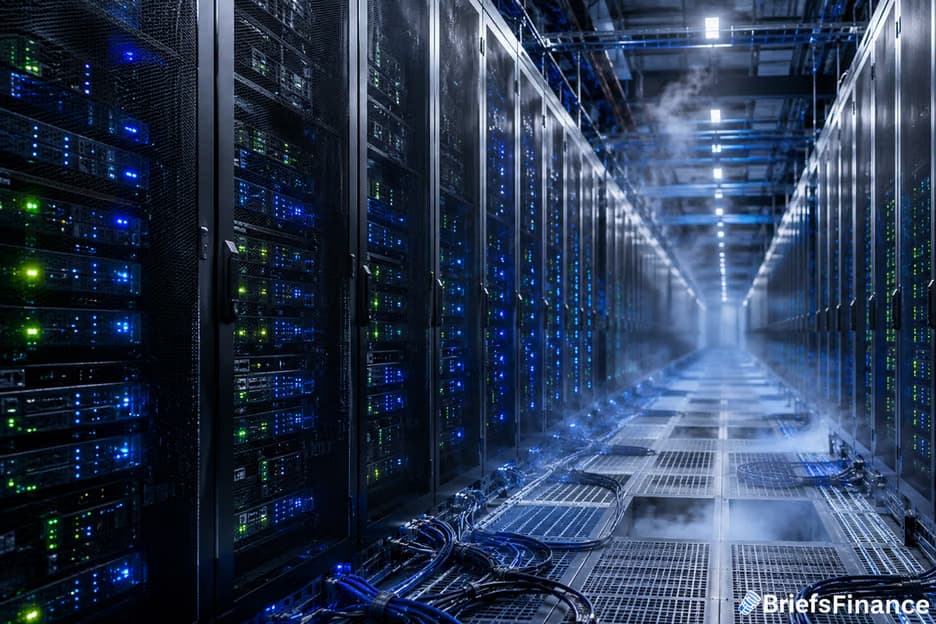
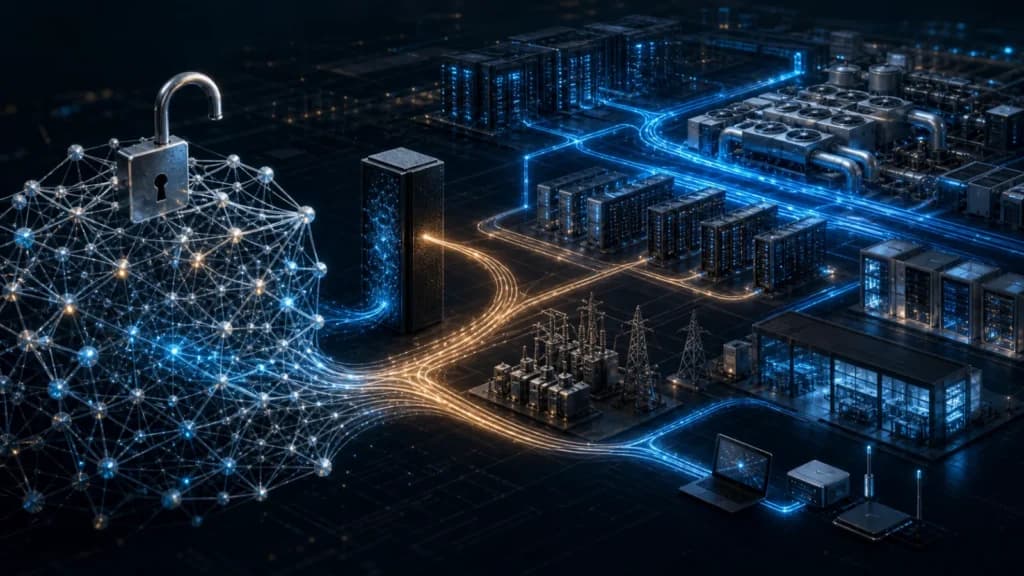
Upon successfully narrowing down the location of the breach to a data center near the company’s Bellevue, Washington headquarters, T-Mobile’s cybersecurity team took a dramatic and immediate approach to resolve the threat. Jeff Simon, the company’s cybersecurity chief, spearheaded the response along with a team of three other personnel. Rather than attempting a digital remediation that might have allowed the hackers to move deeper into the network or hide their tracks, the team opted for a physical solution. They located the compromised hardware within the facility and utilized a set of scissors to manually sever the physical cable linking the equipment to the outside world. This move effectively quarantined the threat by eliminating the connection between the hackers' access point and the rest of the T-Mobile infrastructure. By opting for this hardware-based isolation, the security team neutralized the breach instantly and prevented further data exfiltration from that particular vector.
Industry Context and Cybersecurity Environment
The campaign attributed to Salt Typhoon represents a significant escalation in state-sponsored digital espionage against critical U.S. infrastructure. The breadth of the attacks, which touched upon network infrastructure giants like Charter and Windstream, highlights the vulnerability of the interconnected telecommunications landscape. These state-backed actors demonstrated sophistication by hopping across systems managed by different entities, suggesting that the security of a single carrier is often inextricably linked to the vulnerabilities of their partners or shared infrastructure. T-Mobile’s experience serves as a case study in the difficulty of defending against such pervasive threats, as the company spent months in a difficult search before identifying the pivot point. The event underlines the reality that even for major global corporations, identifying advanced persistent threats requires not only high-level network monitoring but also the ability to trace suspicious signals back to their physical or inter-carrier origins, a task that remains fundamentally complex in the modern digital age.
⚖ The Balanced View
Supporting view
The decision to physically cut the cable is viewed by some security professionals as a high-stakes but effective 'air-gap' method that leaves no room for the attacker to maintain a digital persistence through software backdoors or hidden credentials.
Concerns & criticism
The necessity of a manual, physical intervention at a local data center highlights the potential gaps in remote management and automated network isolation tools, suggesting that for high-level intrusions, standard cybersecurity protocols may sometimes prove insufficient.
→What's next
It remains to be seen if T-Mobile or other impacted telecommunications providers will implement more stringent physical and digital security protocols following the discovery of these widespread vulnerabilities. Future audits of inter-carrier network connectivity may become a higher priority to ensure that routers belonging to other companies cannot be leveraged to bypass internal corporate firewalls.