
Anthropic is preparing for a massive public stock offering while bracing for potential challenges stemming from growing public opposition to the physical infrastructure required to power its AI models. Investors expect the company to target a valuation near $2 trillion as it addresses concerns over infrastructure scaling and regulatory friction in its upcoming IPO prospectus.
IPO Preparations and Market Sentiment
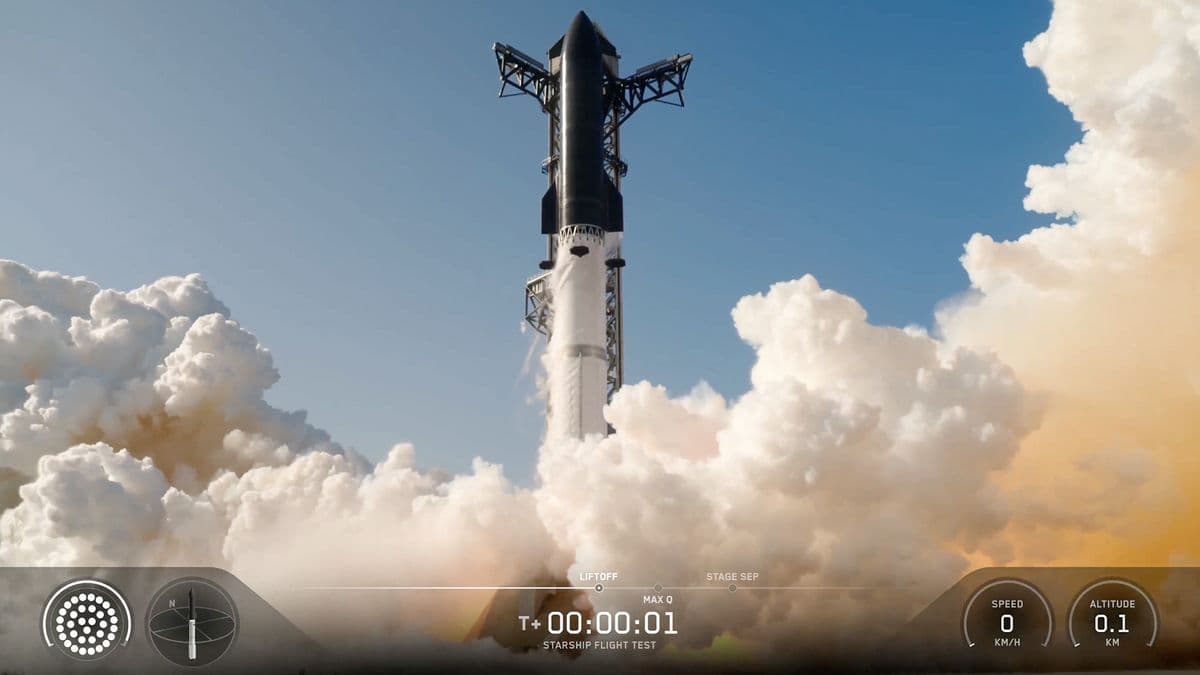
Anthropic, the developer behind the Claude AI model, is reportedly readying for a significant entry into the public market following a confidential IPO filing in June. During preliminary 'test-the-water' sessions held in San Francisco, company leadership, including CFO Krishna Rao, has been actively engaging with potential investors and banking partners. These discussions go beyond basic financial health, diving into complex competitive pressures and the technical risks associated with the rapid expansion of AI infrastructure. While the company currently operates with a private valuation near $1 trillion, some market observers project a public valuation could reach as high as $2 trillion. This potential offering follows a trend of massive capital raises within the sector, notably SpaceX’s recent $85.7 billion round, which stands as the largest offering to date. Anthropic’s current annual revenue run rate has surpassed $65 billion, underscoring its significant market position, yet the company remains silent on official details regarding its public offering timeline.
The Infrastructure Scaling Dilemma
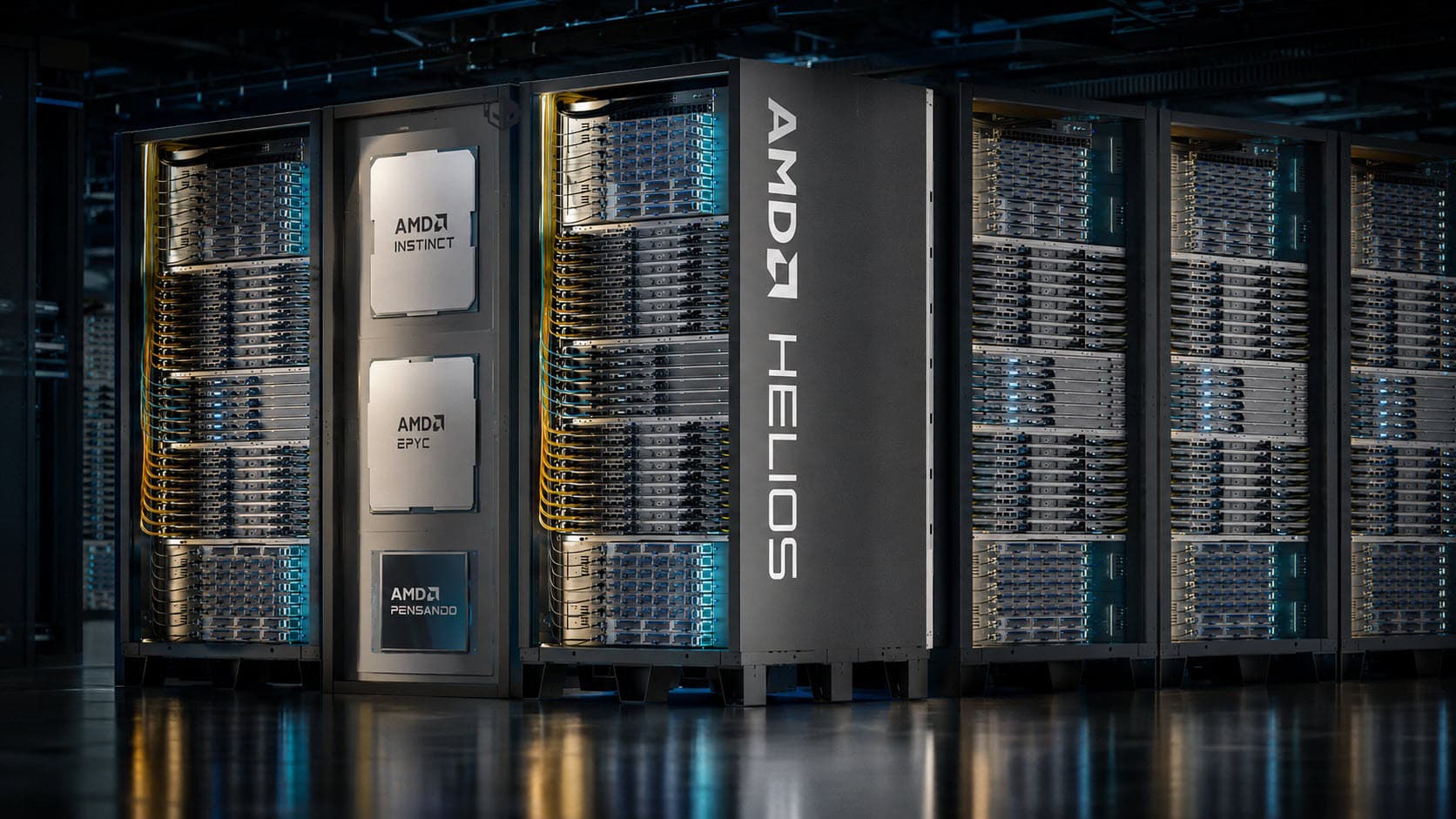
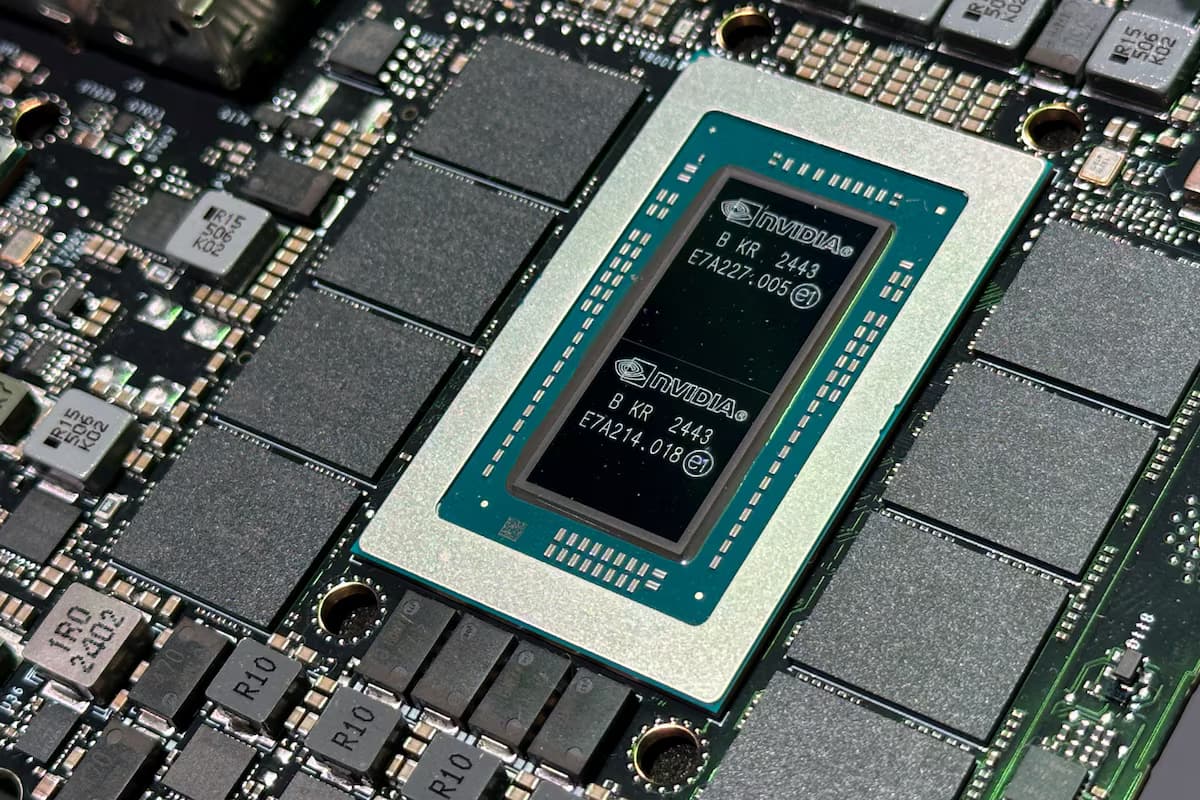
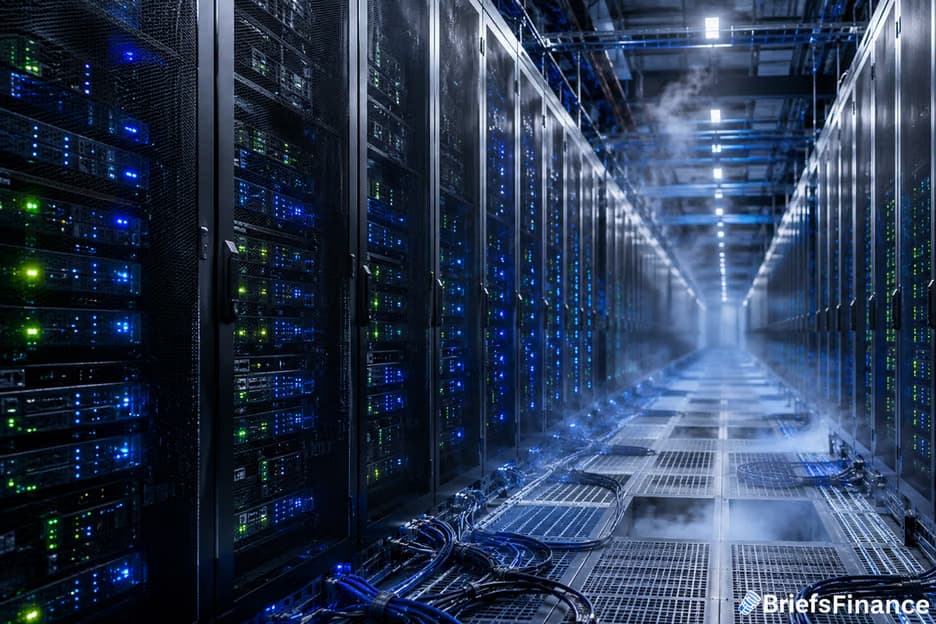
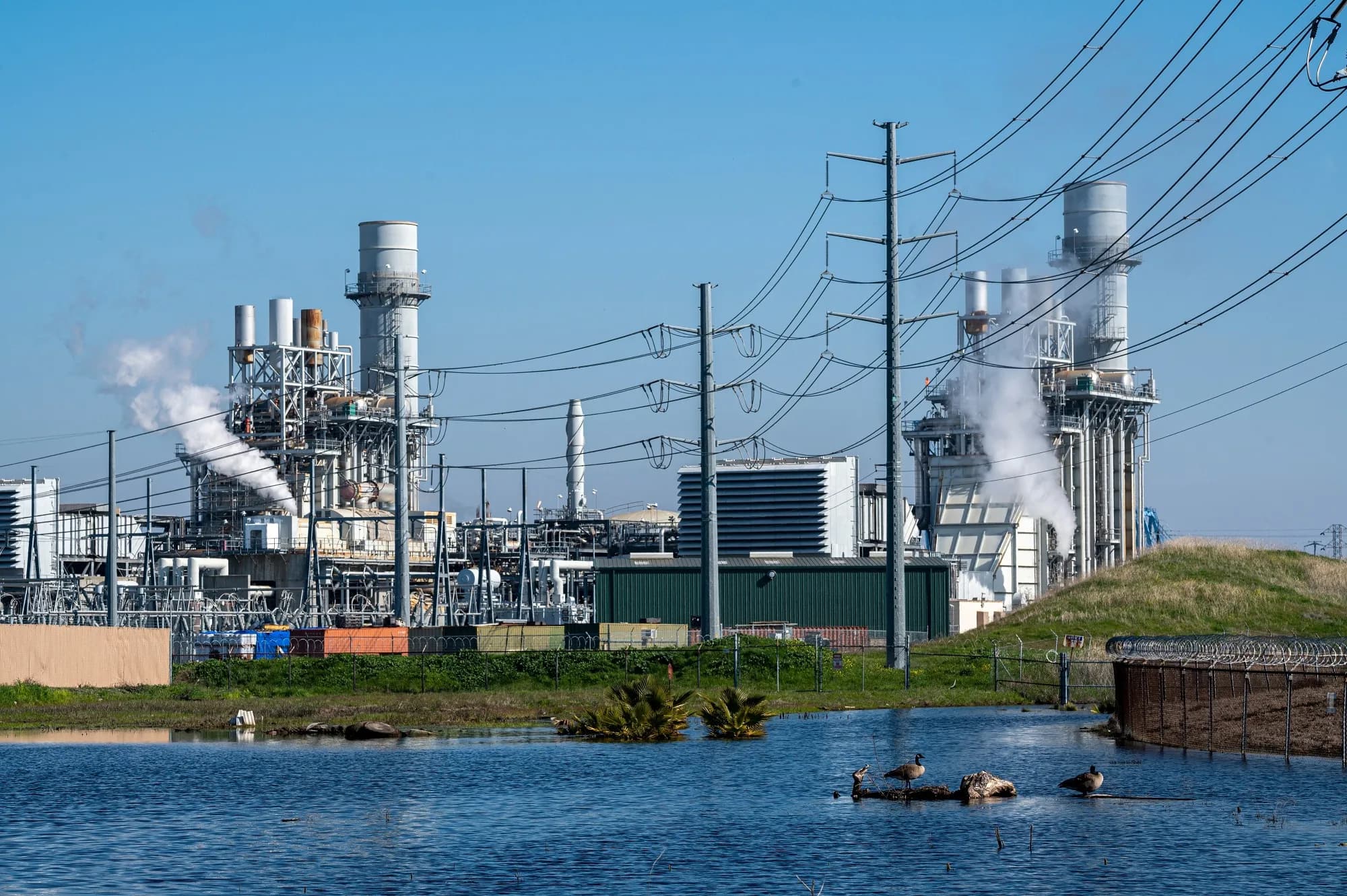
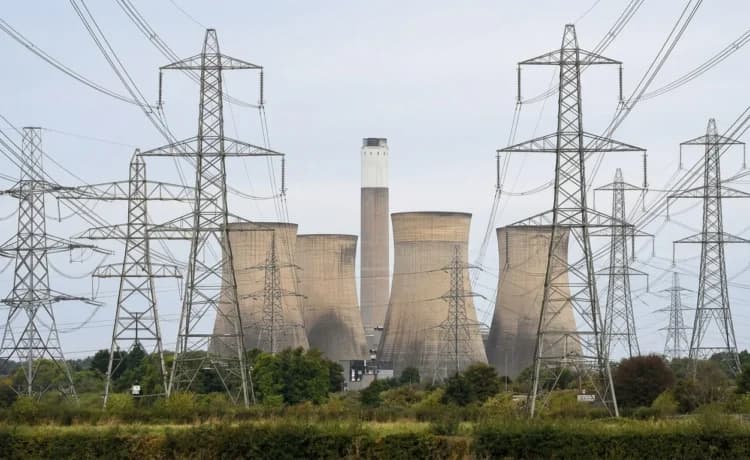
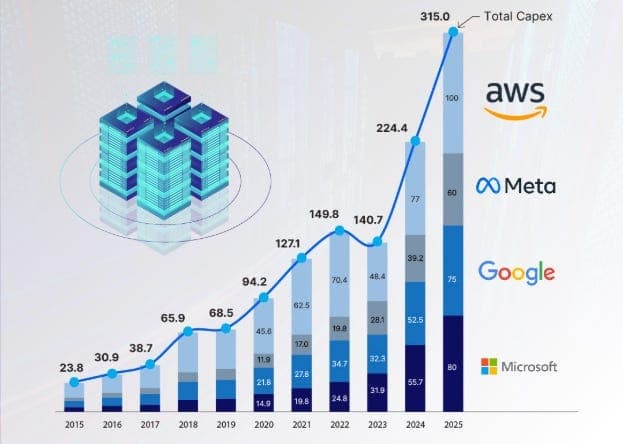
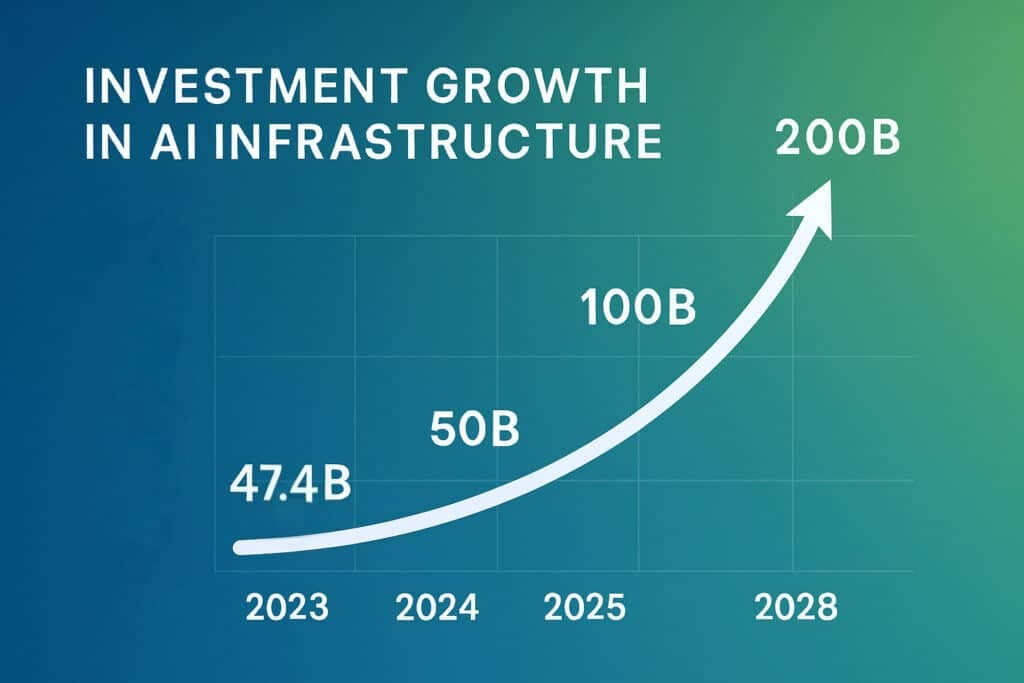
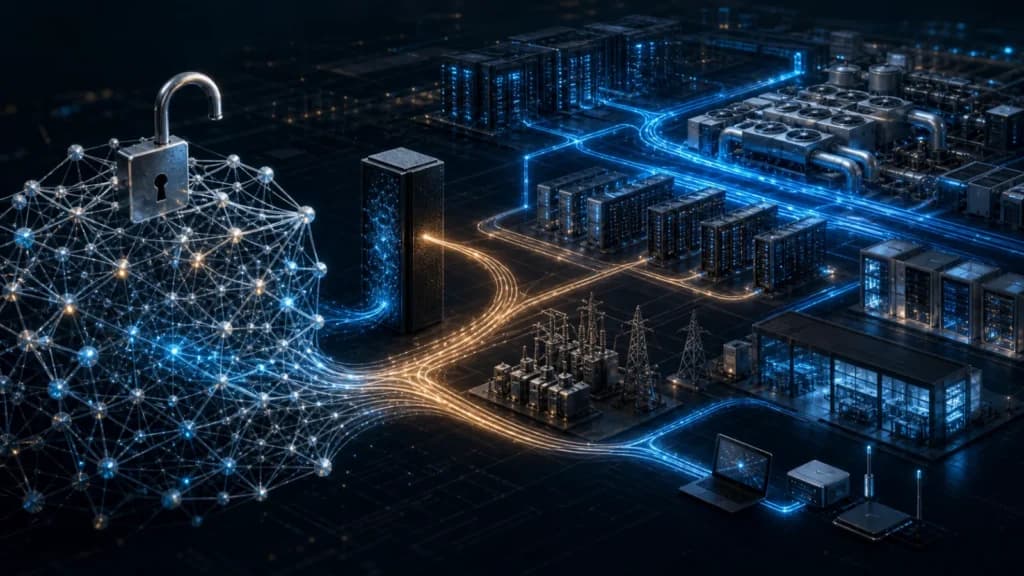
The central challenge facing Anthropic—and the broader AI industry—is the intense dependence on large-scale data center infrastructure. To sustain the massive compute requirements necessary for state-of-the-art models, tech firms are currently spending hundreds of billions of dollars on capital expenditures. This spending is primarily aimed at purchasing high-end graphics processing units and constructing the facilities to house them. For firms like Anthropic, revenue generation is inextricably linked to this compute capacity; therefore, any disruption in the pace of data center development represents a direct threat to growth. Investors are increasingly probing this vulnerability, questioning what the company's financial future looks like if political or social headwinds force a slowdown in infrastructure deployment. As hyperscalers continue their aggressive build-out, the bottleneck is shifting from technical capability to the physical and regulatory limitations of the real estate required for modern artificial intelligence.
Rising Social and Political Backlash
Public resistance to the physical footprint of AI has emerged as a substantial risk factor that Anthropic is expected to disclose in its formal prospectus. A Gallup survey conducted in May revealed that 70% of Americans oppose the construction of AI data centers in their vicinity, with nearly half of all respondents expressing strong opposition. This sentiment has moved from general concern to direct political action as the country approaches the midterm elections. Politicians are increasingly responsive to these local grievances, leading to tangible legislative shifts. For instance, in Pennsylvania, Governor Josh Shapiro recently signed an executive order imposing stringent standards on data center development. Similarly, in Florida, Representative Byron Donalds successfully campaigned for a gubernatorial primary seat on a platform that specifically advocates for new restrictions on data center facilities. This growing trend suggests that tech companies will face heightened regulatory hurdles at the state and local levels that could delay critical infrastructure projects.
Broader Industry Implications
The situation surrounding Anthropic’s IPO serves as a proxy for the broader risks inherent in the AI industry's current expansion phase. While competitors like OpenAI also face similar infrastructure demands, the degree to which public sentiment can influence financial valuation is becoming clearer. By including public backlash as a formal risk factor in their investor disclosures, companies are attempting to provide legal protection against future claims that these risks were undisclosed. This transparency is necessary to satisfy regulatory requirements, yet it also highlights the disconnect between the aggressive growth strategies of AI labs and the community-level priorities of their neighbors. The reliance on hyperscalers—the large cloud infrastructure providers funding the capital-intensive build-out—means that Anthropic is indirectly subject to the geopolitical and macro-economic factors influencing those partners. As capital expenditures remain at historic highs, the market will be watching closely to see if the industry can balance its insatiable thirst for compute with the rising political and social costs of its physical growth.
⚖ The Balanced View
Supporting view
The AI industry relies on rapid infrastructure deployment to meet the high demand for advanced models, which has enabled firms like Anthropic to reach a $65 billion annual revenue run rate.
Concerns & criticism
Heightened public opposition and local political resistance—evidenced by recent executive actions in Pennsylvania and new policy platforms in Florida—threaten the pace of the data center expansion necessary for AI growth.
→What's next
Anthropic is expected to continue its confidential IPO preparations while refining its regulatory filings to account for current infrastructure headwinds. Observers will monitor whether future data center projects face further legislative delays as the midterm election season intensifies.