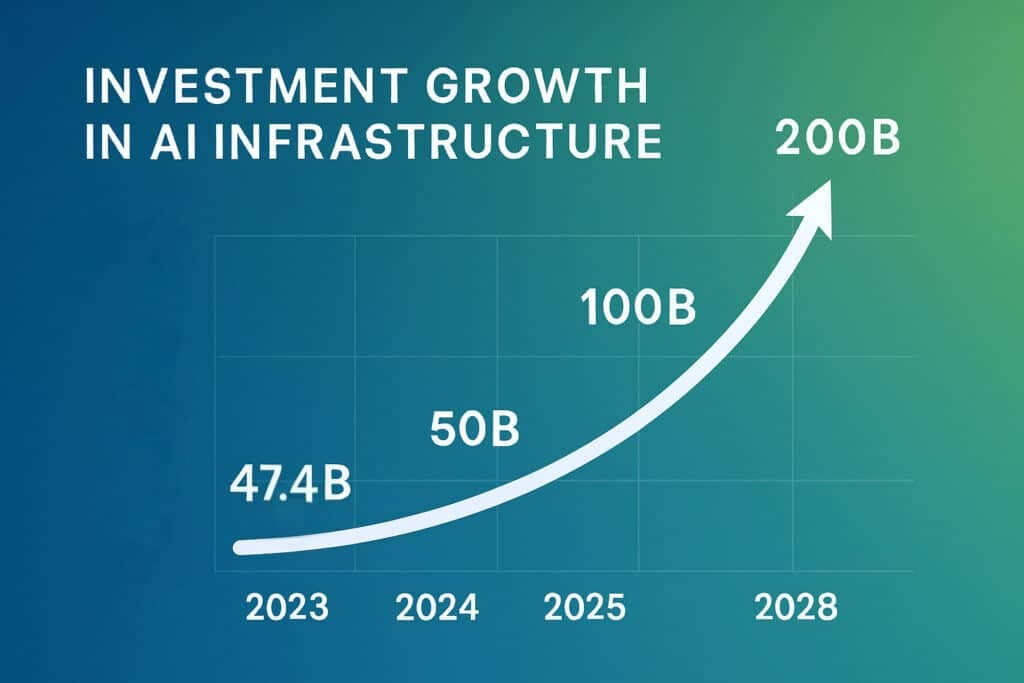

Nvidia is bracing for its fiscal second-quarter earnings report amidst growing investor concerns regarding its heavy dependence on a few dominant cloud providers. Analysts are closely watching whether the company's broader industrial and enterprise customer base can offset potentially plateauing demand from hyperscale tech firms.
The Challenge of Customer Concentration
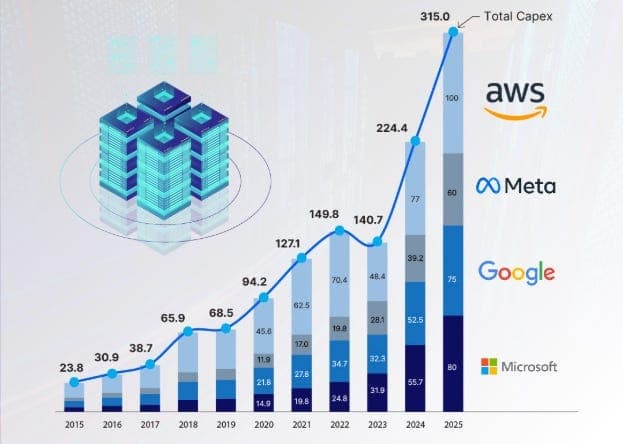
For Nvidia, the path forward is complicated by its extreme reliance on a small circle of primary buyers known as hyperscalers. These companies, including Amazon, Google, and Microsoft, serve as the backbone of Nvidia's revenue, purchasing graphics processing units in massive volumes for both internal AI development and external cloud service offerings. Meta and SpaceX have also emerged as significant buyers, further deepening this concentration. While this model has fueled Nvidia's ascent to a $5 trillion market valuation, it creates a potential vulnerability. Investors are increasingly skeptical about the sustainability of this arrangement, fearing that these tech giants may eventually reach a saturation point in their capital expenditures. With some of these major customers reporting negative free cash flow, analysts are looking for signs that the rest of the market—the segment Nvidia classifies as ACIE (AI clouds, industrial and enterprise)—can pick up the momentum and provide a more stable, diversified revenue foundation.
Shifting Revenue Dynamics
In recent financial reporting, Nvidia has moved to distinguish between its hyperscaler revenue and its ACIE segment. During the first quarter, the revenue split was nearly even, with hyperscalers contributing $37.9 billion compared to $37.5 billion from the ACIE segment. While hyperscalers have historically driven the vast majority of growth, current trends suggest a transition. Forecasts indicate that the ACIE business could reach $43 billion for the second quarter, representing an expected 149% annual growth rate. Conversely, hyperscaler revenue is anticipated to grow by 83% to $43.6 billion. This inversion of growth rates is essential to soothing investor anxiety, as the market looks for proof that AI infrastructure is becoming pervasive beyond the few largest tech conglomerates. If the ACIE segment continues to outpace hyperscaler growth, it would indicate that Nvidia's technology is finding broader utility in industries that have historically been slower to adopt large-scale GPU computing solutions.
Financing GPUs as an Asset Class
To mitigate the risks associated with customer concentration, Nvidia is proactively seeking to expand its addressable market by changing how its hardware is financed. Recognizing that many potential enterprise customers lack the balance sheets required to purchase expensive rack-scale systems, the company has announced a partnership with six major financial institutions. This initiative aims to establish a pool of up to $500 billion in capital, allowing investors to treat GPU hardware as an investable asset similar to real estate. The program is designed to lower borrowing costs for companies looking to integrate Nvidia technology, effectively lowering the barrier to entry. While this strategy shows long-term foresight, analysts remain cautious due to a current lack of implementation details. Clarifying the mechanics of this financial structure during the earnings call could be a pivotal factor in maintaining investor confidence as the company navigates a slowing growth phase in the coming year.
The Role of Next-Generation Technology
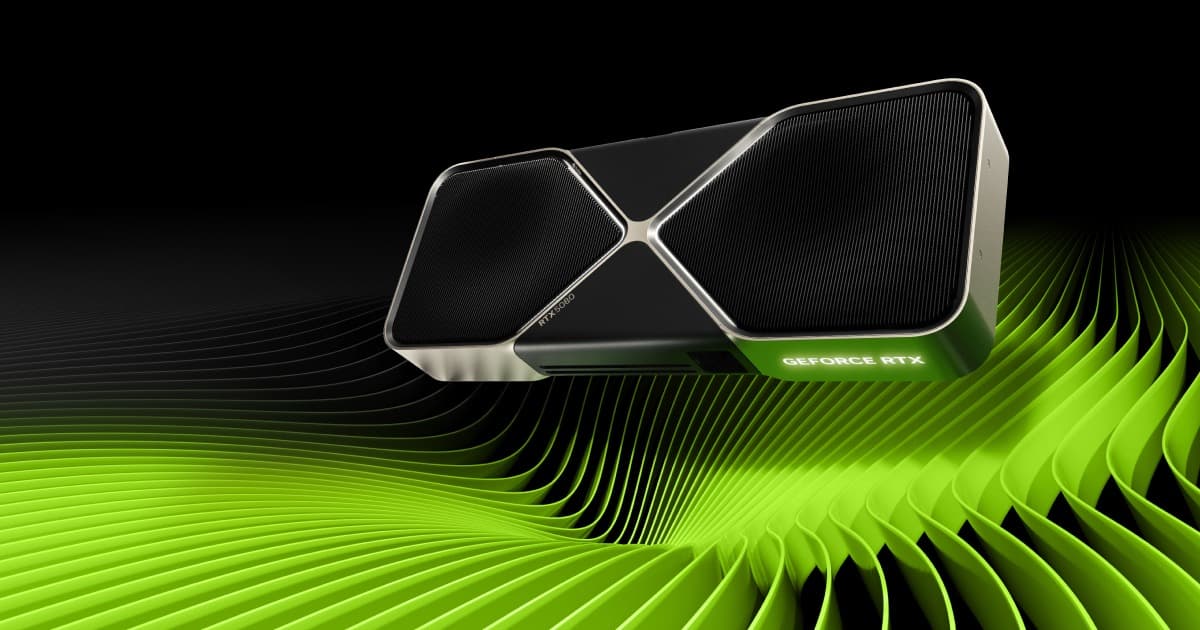
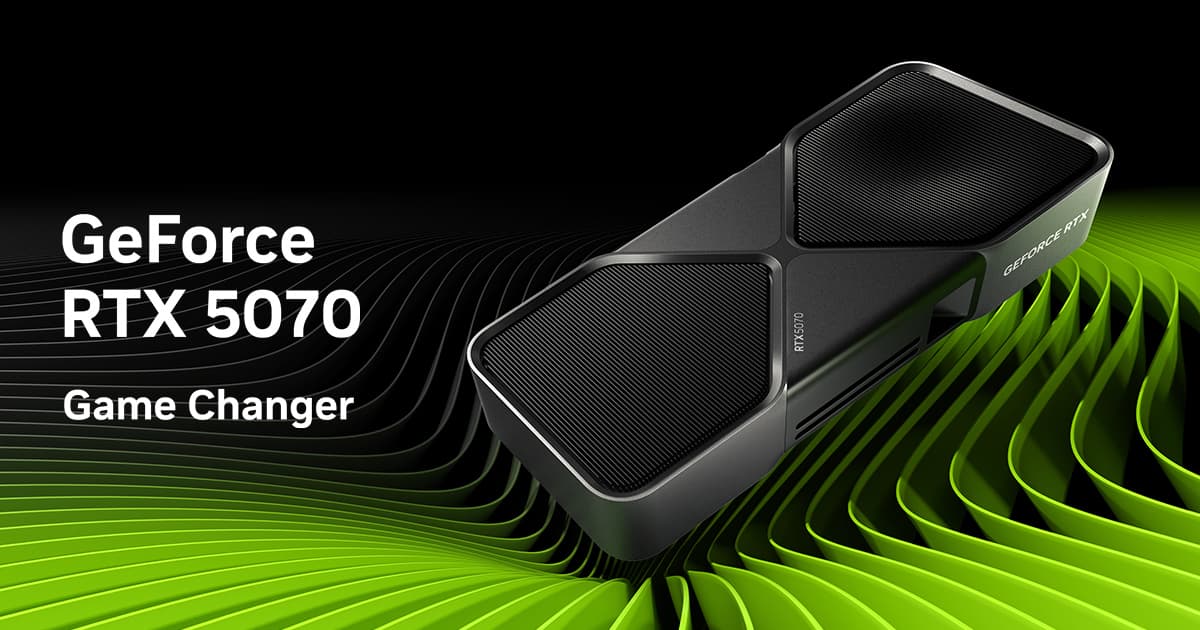
Beyond business model shifts, the immediate performance of Nvidia's new hardware is critical to the company's financial outlook. Sales of the Vera Rubin systems are currently ramping up, and these units are expected to be a primary catalyst for future growth. CEO Jensen Huang has publicly projected that combined sales for the Blackwell and Vera Rubin architectures could reach $1 trillion through 2027. Investors are viewing these shipments as a key indicator of continued market leadership. Analysts from firms like KeyBanc remain bullish, suggesting that the rollout of these newer, high-performance GPUs will likely drive earnings upside even if hyperscaler spending patterns undergo shifts. Ultimately, the successful adoption of these next-generation systems will be the primary barometer for whether Nvidia can sustain its growth trajectory amidst macroeconomic headwinds and the inevitable cooling of the initial, explosive demand phase from the largest cloud service providers.
⚖ The Balanced View
Supporting view
Analysts from KeyBanc suggest that the ramping up of Rubin GPU shipments, combined with strong results and guidance, remains a significant potential driver for stock growth.
Concerns & criticism
Market skepticism is rising as investors worry that the primary hyperscaler customers cannot sustain their current levels of heavy capital expenditure and cash generation.
→What's next
Investors will be looking for specific operational details regarding the new $500 billion GPU financing initiative during the upcoming earnings call. Furthermore, performance data on the early rollout of the Vera Rubin GPU systems will be closely monitored as a key indicator for sustaining long-term growth.