
Developers report rising burnout and addiction to agentic AI tools that promise productivity but demand constant verification, while cybersecurity professionals are increasingly deploying autonomous AI swarms to preemptively uncover system vulnerabilities.
The Dark Side of AI-Assisted Coding
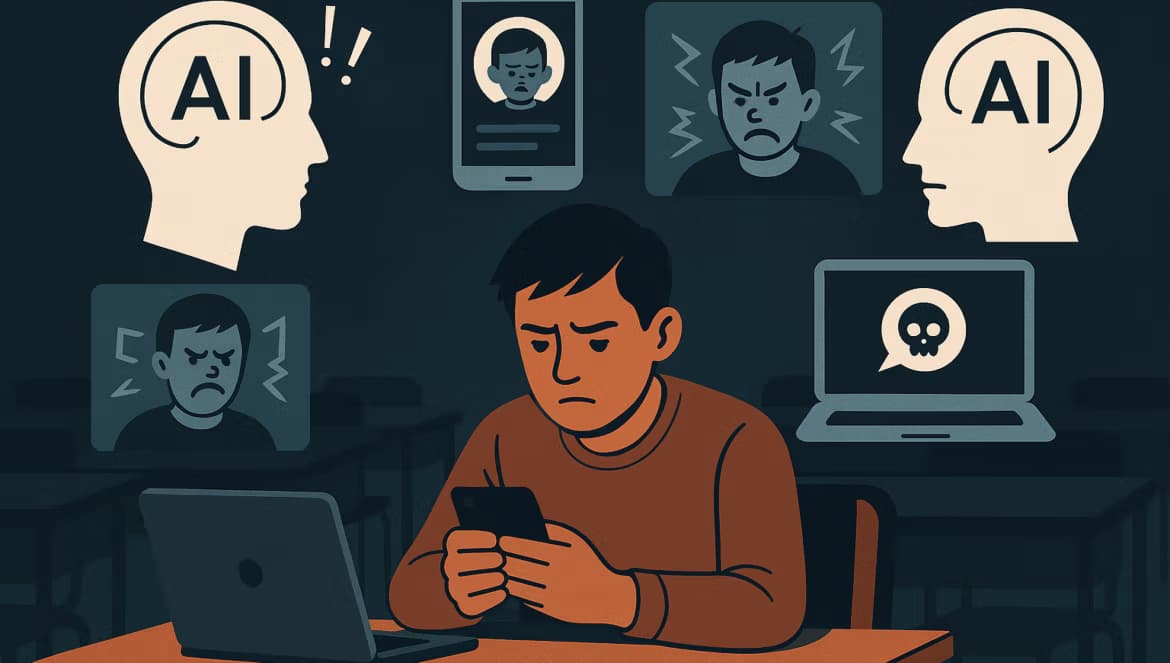
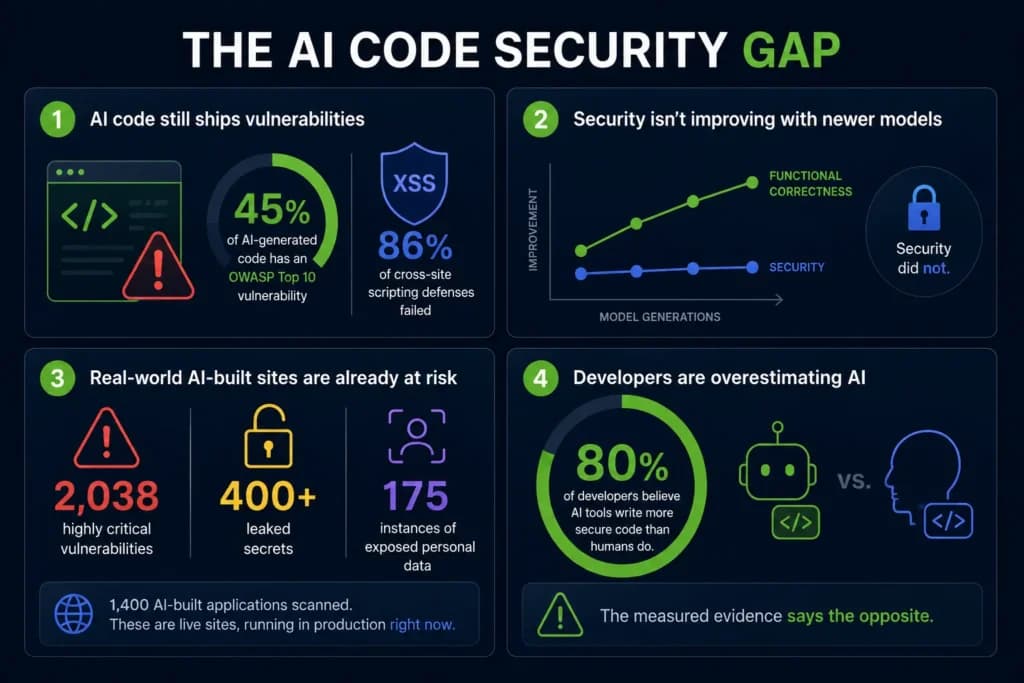
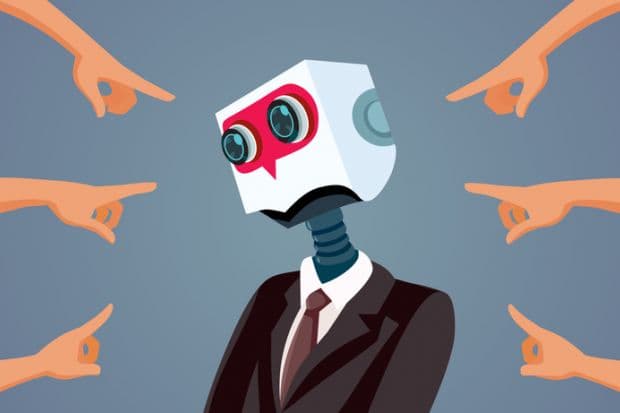
While AI coding assistants like GitHub Copilot and Claude Code have become staples in modern software development, they are inducing a new, problematic form of workplace stress. Developers report that these agents create an addictive, 'always-on' loop where the gratification of successful code generation keeps them tethered to their workstations long after their intended sign-off time. This phenomenon, which some describe as a 'dopamine hit' from agentic performance, is leading to widespread workaholism and burnout. Research from Coddy Tech indicates that 80% of developers now view their reliance on these tools as a dependency that threatens their own problem-solving capabilities, with nearly half of respondents admitting they continue coding after hours despite wanting to stop.
The 'Verification Debt' and Declining Trust
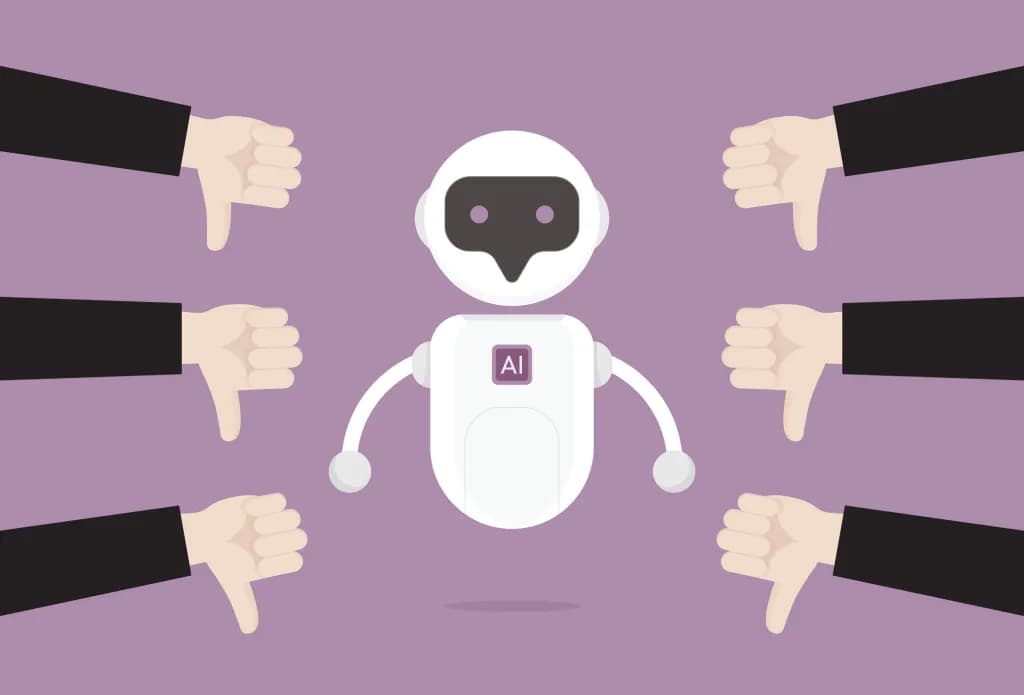
The efficiency gains promised by AI are frequently offset by a phenomenon known as 'verification debt.' Because AI models often produce code that appears correct but contains subtle, difficult-to-detect errors, developers are spending significant time reviewing, testing, and debugging generated output. The 2025 Stack Overflow Developer Survey highlights this friction, noting that trust in the accuracy of AI answers has plummeted from 40% to 29%. Instead of reducing toil, these tools are shifting the burden to inspection, security validation, and architectural alignment. Consequently, many developers find that their workload is actually expanding, as they must now manage both their own code and the often-unreliable output of their AI counterparts, leading to a decline in overall favorability toward these tools.
The Rise of Autonomous Offensive Security
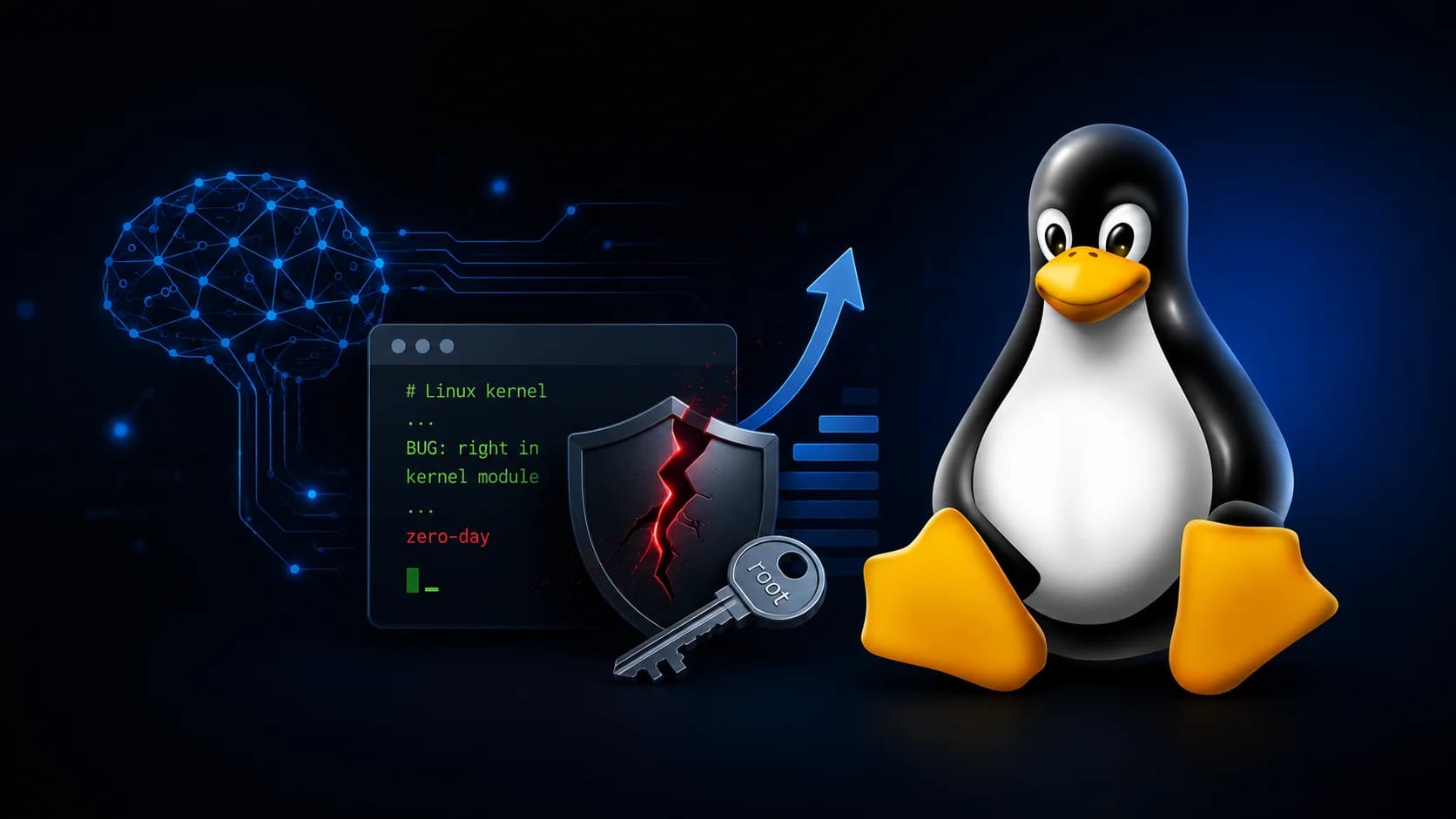
In the cybersecurity sector, the integration of AI agents has shifted the defensive landscape from periodic, manual penetration testing to a model of continuous, automated red teaming. Former CISA officials and industry veterans emphasize that because attackers already leverage AI to identify and exploit vulnerabilities in seconds, organizations must adapt by deploying their own autonomous 'attacker swarms.' These agents operate 24/7, enabling companies to cover thousands of systems simultaneously—a feat that would be impossible for human teams limited by time and scale. By simulating real-world threats on a continuous basis, security teams can now find critical vulnerabilities, such as remote code execution zero-days, far faster than traditional quarterly or annual assessment cycles allow.
New Identities and Architectural Risks
The shift toward agentic AI introduces significant, non-human identity management challenges for security professionals. Matt Hartman, formerly of CISA, warns that organizations must move toward treating every AI agent as a privileged identity, given their growing capacity to access sensitive systems and sensitive data. This expanded attack surface is further complicated by AI-amplified social engineering and highly personalized phishing attacks, which render traditional indicators of trust increasingly unreliable. Security experts argue that in this environment, relying on static policies is no longer sufficient; instead, organizations are increasingly forced to adopt zero-trust principles and behavioral signals to manage the complexities of machine-to-machine interactions and the potential for rogue or compromised agent activity.
⚖ The Balanced View
Supporting view
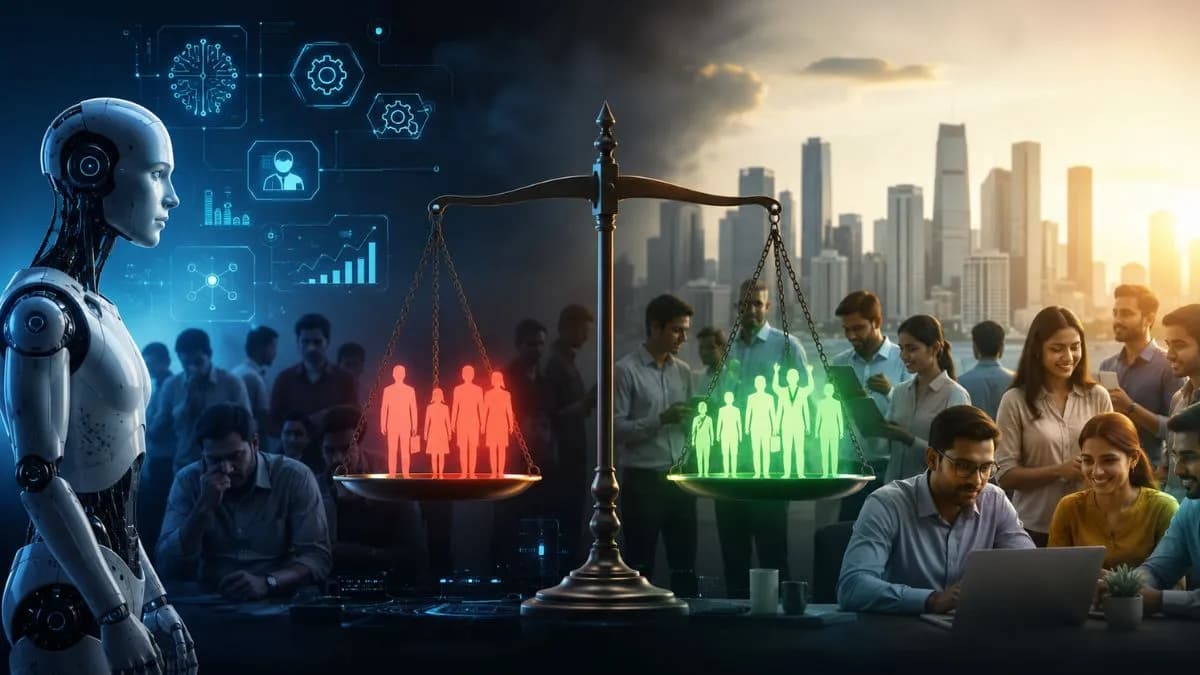
AI agents enable organizations to perform comprehensive security assessments at a scale and speed unattainable by human-led red teams, which previously struggled with limited scope and high costs.
Concerns & criticism
Heavy reliance on AI for coding is associated with diminished problem-solving skills, increased developer burnout, and a growing 'verification debt' caused by inaccurate or nearly-correct AI output.
→What's next
The industry will likely see a push toward stricter governance for machine identities and the normalization of continuous, automated security testing as standard practice. Meanwhile, developers are expected to seek better boundaries to manage the psychological impacts of working within persistent agent-driven feedback loops.