
Roblox has agreed to implement new safety protections after Australia’s eSafety commissioner identified significant gaps that left minors vulnerable to adult contact on the platform. The company must now meet specific requirements within three months or face potential court action.
Regulatory Findings on Platform Safety
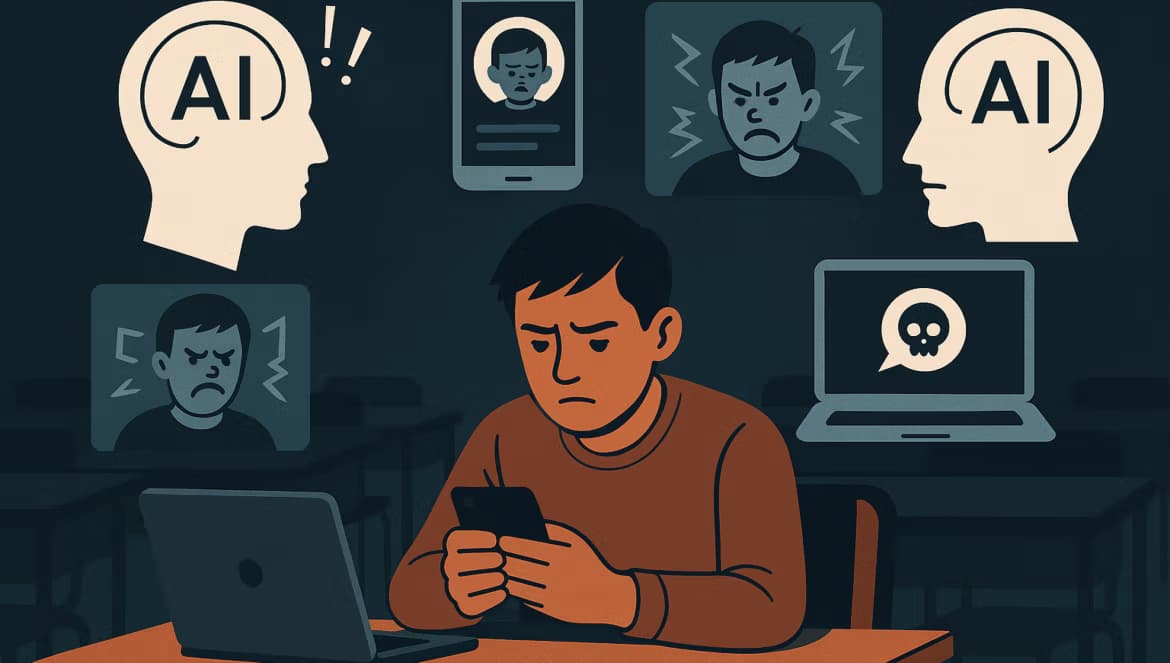
Australia’s online safety regulator, eSafety, conducted extensive testing earlier this year, concluding that Roblox failed to adequately protect minors under the age of 16. The investigation discovered that despite previous attempts by the company to bolster its defenses, the platform still contained significant safety gaps. Specifically, the regulator found that adults were capable of sending connection requests to children without any parental consent. Furthermore, children’s profiles, biographies, and contact lists remained visible to the entire platform user base, with no functionality provided to restrict access. These findings suggested that bad actors could systematically target children by exploiting the platform’s open visibility settings and lack of parental oversight mechanisms.
Court-Enforceable Undertakings
To resolve these regulatory concerns, Roblox has entered into a court-enforceable agreement with Australian authorities. While the company maintains that it has been compliant with the Online Safety Act, it has committed to a series of concrete changes to be completed within a three-month timeframe. The agreed-upon roadmap includes ensuring that accounts belonging to children are set to private by default and restricting the ability of adults to initiate contact with unknown minors without explicit parental permission. Additionally, the platform is required to streamline its reporting processes and provide users with clearer feedback regarding the outcomes of their safety complaints. Failure to meet these obligations could result in legal action taken by the regulator to compel compliance.
Industry Impact and External Context
The situation in Australia is part of a broader, ongoing series of challenges regarding Roblox's approach to child safety. The platform has faced intense scrutiny globally, including active investigations by a U.S. Senate subcommittee and litigation from various states. These legal pressures have pushed the company to experiment with diverse verification methods, such as requiring government-issued IDs or facial age estimation technology. Earlier this year, Roblox reorganized its user experience into age-gated tiers, separating users into 'Kids,' 'Select,' and general categories to limit access to certain community forums and content. Despite these updates, regulatory bodies continue to flag instances where minors can potentially circumvent these controls, highlighting the difficulty of maintaining a safe environment in a massive, interactive social ecosystem.
Third-Party Auditing and Future Oversight
A core component of the new agreement is the requirement for independent verification. Roblox has agreed to hire an external, third-party auditor to evaluate the efficacy of its various safety measures, including its age-estimation software. This step represents an attempt to move beyond internal assessments and demonstrate, through an objective lens, that the platform's safeguards are genuinely operational. By bringing in an external party, the regulator aims to ensure that the company’s promises translate into tangible technical results. The efficacy of these audits will likely set a precedent for how the company handles its safety commitments in other jurisdictions, where similar demands for transparency and proof of functionality are increasingly common.
⚖ The Balanced View
Supporting view
Roblox leadership emphasizes its commitment to safety through the rollout of age-specific account tiers and ongoing collaboration with international regulators and policymakers.
Concerns & criticism
The Australian eSafety commissioner noted that despite previous safety rollouts, the platform continued to expose children to unwanted contact and lacked options for parents to effectively secure their children's profiles.
→What's next
Roblox has a three-month window to implement the agreed-upon safety upgrades, including systemic changes to default privacy settings and reporting mechanisms. Should the company fail to execute these requirements, the Australian eSafety commissioner may petition the court to enforce compliance.