
Google has launched the $29 Pixel Tag Bluetooth tracker and the $399 Pixel Watch 5, while simultaneously rolling out a new software diagnostic tool to help users troubleshoot Bluetooth connectivity issues on Pixel devices.
The Debut of the Pixel Tag
Google has officially entered the Bluetooth tracker market with the Pixel Tag, an Android-exclusive device priced at $29. Designed to compete with established trackers like Apple’s AirTag and Samsung’s Galaxy SmartTag2, the Pixel Tag features an IP67 rating for water and dust resistance and utilizes a user-replaceable coin battery. Beyond basic proximity tracking, the device incorporates two advanced technologies: Ultra Wideband (UWB) and Bluetooth Channel Sounding. While UWB is reserved for specific high-end devices like the Pixel Pro series and certain Samsung Galaxy models, Channel Sounding serves as the primary tracking method. By utilizing Phase-Based Ranging (PBR), the system provides significantly higher distance accuracy than traditional Bluetooth Low Energy tracking methods, which rely on the more interference-prone Received Signal Strength Indicator (RSSI). The tracker integrates directly into Google's growing Find My Device network, allowing users to locate items even when they are not in immediate proximity to their own hardware.
Pixel Watch 5 Performance and Upgrades
Alongside the new tracker, Google introduced the $399 Pixel Watch 5. This iteration features the Snapdragon W5 Gen 2 Accelerated processor, which Google claims offers a 20% speed improvement over the previous generation. Storage has been doubled to support new AI-driven capabilities, most notably 'Raise to Talk' and automated 'Smart Replies,' where the integrated Gemini assistant suggests responses based on text conversation context. Health and fitness enthusiasts may note the improved GPS, which Google contends offers superior route tracking compared to premium competitors like the Garmin Fenix 8 Pro and Apple Watch Ultra 3. Despite these internal hardware improvements, the battery specifications remain largely stagnant. The 41mm model retains the 325 mAh capacity of the Watch 4, offering roughly 30 hours of life with an always-on display. The 45mm variant offers only a marginal 10 mAh increase, suggesting that the primary value proposition of the new watch lies in processing power and software rather than longevity.
New Bluetooth Diagnostics for Pixel Users
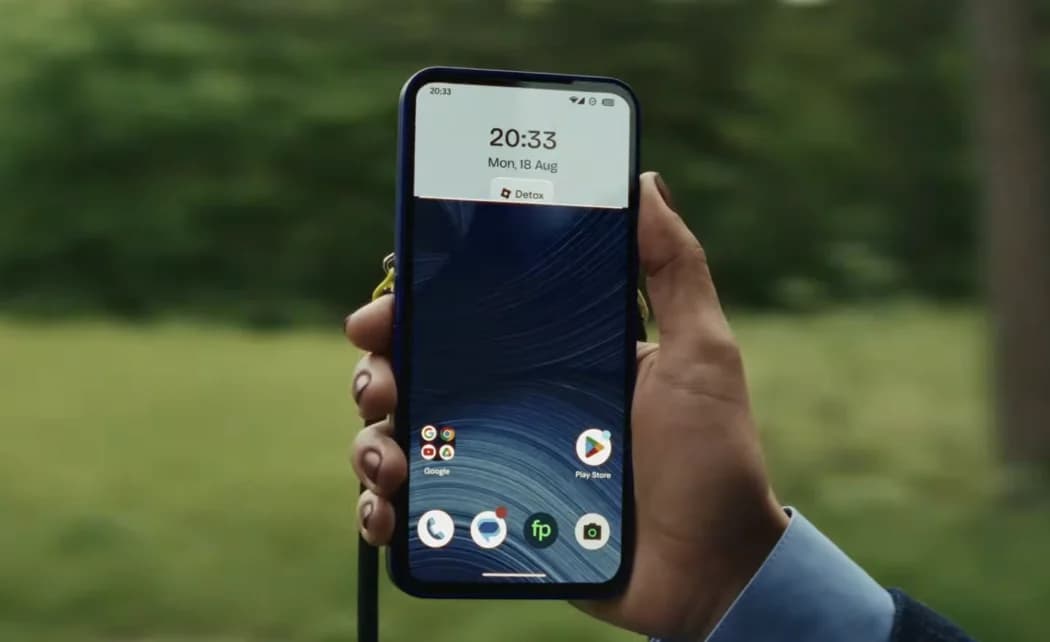
Recognizing the persistent frustration caused by faulty wireless connections, Google has introduced a native Bluetooth Diagnostics tool for Pixel 6 and newer devices, including Fold models. This feature, accessible via the 'Connected devices' section of the settings menu, is designed to help users identify why specific peripherals, such as earbuds or automotive systems, fail to perform as expected. Rather than relying on trial-and-error troubleshooting—such as toggling settings or performing factory resets—the diagnostics tool provides structured tests for media audio, phone calls, and other common failure points. While the tool can isolate issues and report hardware status, Google cautions that it cannot physically repair broken hardware or resolve firmware incompatibilities. Users are provided an optional privacy setting to share these diagnostic results and interaction data, such as MAC addresses and LE Audio reports, with Google to assist in future improvements, though basic troubleshooting steps like re-pairing remain the recommended first line of defense.
Strategic Market Positioning
Google’s latest hardware announcements reflect a broader strategy to solidify its ecosystem and minimize feature gaps with Apple and Samsung. By introducing the Pixel Tag, Google provides Android users with a native tracking solution that utilizes the latest Bluetooth 6.0 standards. Similarly, the focus on AI integration—specifically offline Gemini features for managing alarms and timers—positions the Pixel Watch 5 as a tool for increasing user productivity rather than just a fitness tracker. However, the reliance on advanced hardware features like UWB for optimal performance creates a tiered experience; users with older or mid-range devices will not have the same functionality as those with the latest flagship handsets. This trend of gated features, combined with the marginal battery improvements, forces consumers to carefully weigh the benefits of incremental upgrades against the cost savings of previous-generation hardware, which remains largely capable due to shared software updates.
⚖ The Balanced View
Supporting view
The Pixel Tag leverages advanced Bluetooth Channel Sounding technology for superior accuracy over legacy Bluetooth Low Energy trackers, and the Pixel Watch 5 offers significant performance gains and AI-integrated productivity features.
Concerns & criticism
The Pixel Watch 5 provides only marginal battery improvements over its predecessor, and many of the new tracking features on the Pixel Tag, such as UWB, remain locked behind the purchase of premium, specific-model hardware.
→What's next
Google is expected to continue integrating AI-based features into its wearable lineup, potentially rolling out more offline functionality for Gemini. Meanwhile, the effectiveness of the Find My Device network will likely depend on the widespread adoption of the Pixel Tag and related hardware across the global Android ecosystem.