
Senator Marsha Blackburn and Senator Richard Blumenthal have launched a formal inquiry into a 2021 TikTok experiment that intentionally withheld safety features from millions of users to boost engagement. The probe follows reports that a teenager, who later died by suicide, was included in the control group that lacked these protective algorithmic safeguards.
Scope of the Legislative Inquiry
Sens. Marsha Blackburn and Richard Blumenthal have issued a formal demand for accountability, requesting a comprehensive list of every instance where TikTok has disabled or delayed safety interventions for the purpose of testing. The senators’ letter, addressed to TikTok CEO Shou Chew and U.S. business CEO Adam Presser, explicitly questions why the company prioritized engagement metrics over the well-being of its user base. They are seeking specific documentation, including the identities of personnel who authorized the 2021 experiment and details regarding the inclusion of minors within the test group. The lawmakers have set a strict deadline of September 1 for the company to provide these answers. The correspondence characterizes the decision to run such a test as deeply problematic, arguing that TikTok’s leadership knowingly bypassed safeguards designed to mitigate the risks of harmful content consumption.
The 2021 Algorithmic Experiment
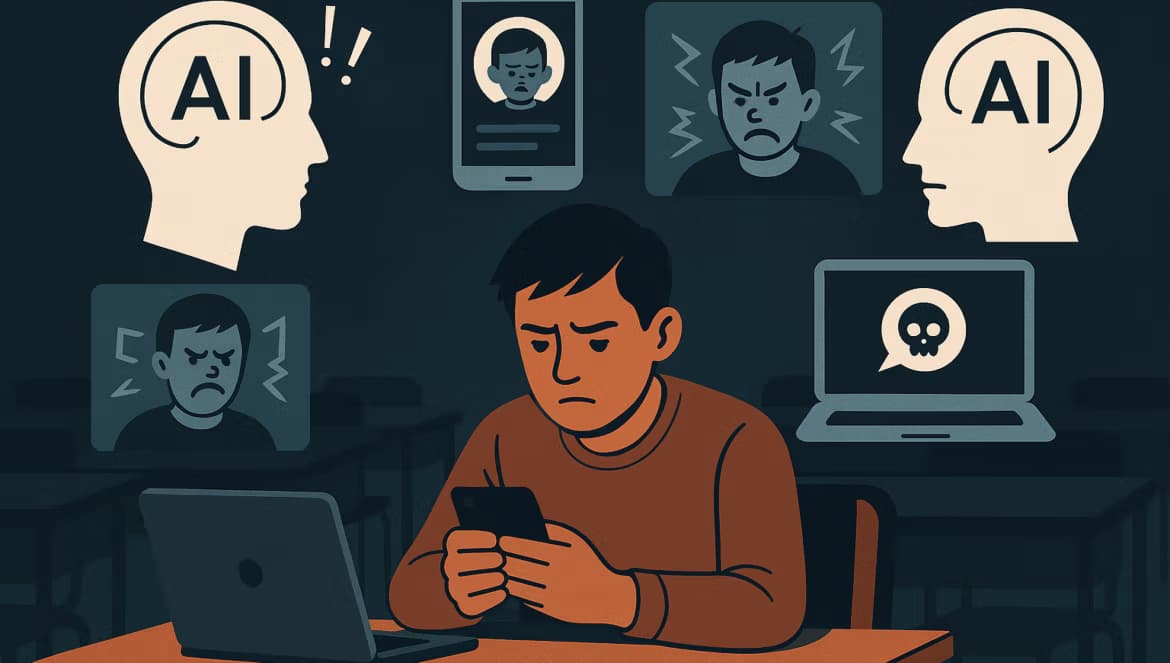
The controversy stems from an internal 2021 study in which TikTok reportedly disabled a safety mechanism for 10% of its U.S. population, totaling roughly 15 million users. This feature was originally designed to prevent 'filter bubbles' and the repetitive delivery of content clusters that, while benign individually, could become distressing when consumed in large volumes. By creating this control group, TikTok sought to measure whether the absence of these protections increased user interaction with the platform. Reports indicate that this experimental period directly impacted 16-year-old Chase Nasca, whose feed reportedly became saturated with repetitive content related to self-harm, loneliness, and suicide. Internal documentation suggests that the platform's recommendation system persisted in promoting this thematic material to the teen leading up to the date of his death, raising significant questions about the company's commitment to user safety.
Legislative Pressure and Previous Oversight
This inquiry arrives against a backdrop of ongoing friction between TikTok and Congress regarding the protection of children online. Both Blackburn and Blumenthal have been vocal proponents of the Kids Online Safety Act (KOSA) and have consistently pressured social media giants to overhaul their moderation standards. The senators highlighted the irony that this experiment occurred shortly after a TikTok official testified before Congress, during which time the company was explicitly urged by these same lawmakers to improve safety protocols for minors. The legislators asserted that the experiment was particularly egregious because it was conducted while the company was already under heavy scrutiny for the potential impact of its algorithms on youth. They argue that the company had enough evidence at the time to understand the potential for harm, making the decision to prioritize business engagement metrics over safety protections particularly concerning.
Broader Implications for Tech Governance
The implications of these revelations extend beyond a single incident, calling into question the standard industry practice of using A/B testing on algorithmic feeds without full transparency. The senators’ probe reflects a growing concern among regulators that social media companies may view safety features as obstacles to growth and revenue. By demanding a full list of past experiments where safety measures were suspended, the lawmakers are effectively forcing a broader audit of TikTok’s development lifecycle. The industry is currently watching to see how the company balances its need for data-driven optimization with the mounting political and public demand for safer algorithmic design. If the inquiry reveals a pattern of prioritizing ad-driven engagement at the expense of user protection, it could provide significant momentum for more stringent regulatory oversight of how social media platforms conduct internal experiments in the future.
⚖ The Balanced View
Concerns & criticism
The senators characterize the company's decision as 'depraved' and 'sinister,' arguing that TikTok knowingly sacrificed safety protocols for the sake of measuring engagement metrics despite being aware of the risks to minors.
→What's next
TikTok has until September 1 to provide responses to the 13 specific questions raised by the senators. The outcome of this exchange will likely determine whether further congressional hearings or legislative actions are pursued regarding the company's testing practices.