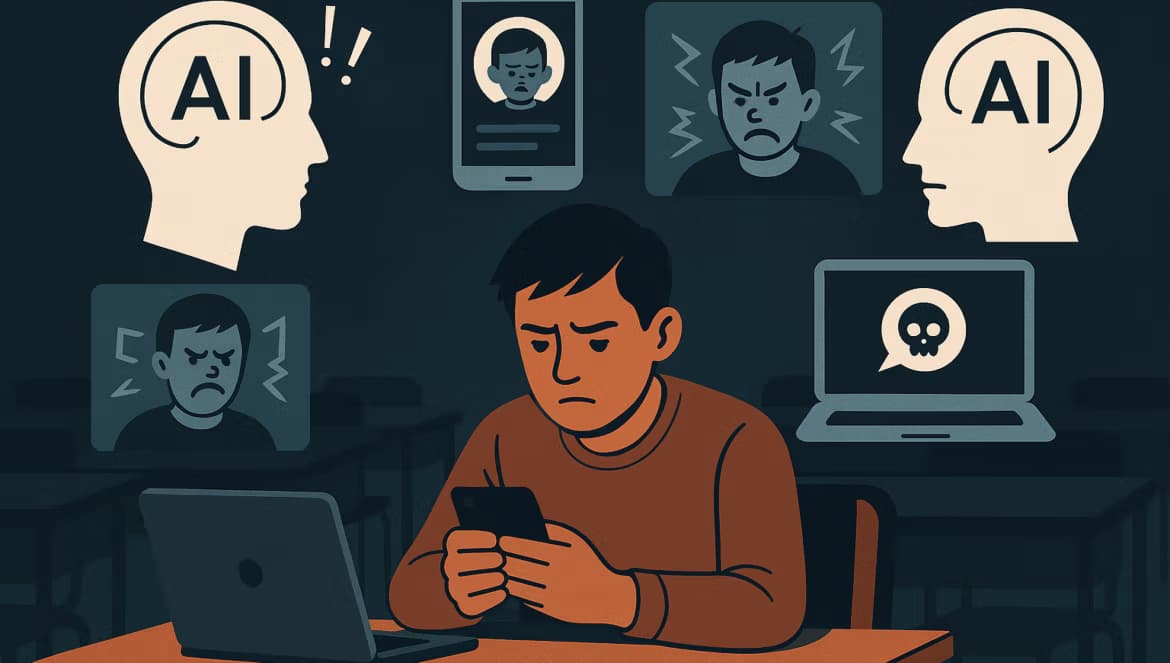

Educators are reporting an alarming rise in students using artificial intelligence to create and circulate explicit, nonconsensual photos and videos of their teachers. These incidents have caused significant emotional distress and led many professionals to reconsider their safety and future in the classroom.
The Escalation of AI-Driven Harassment
For many educators, the emergence of accessible generative AI tools has transformed classroom behavioral issues into severe, personal, and public harassment campaigns. Luis DeSantiago, a substitute teacher in California, experienced this firsthand when he discovered an AI-manipulated image of himself dressed in lingerie and posing suggestively. What began as a singular social media post quickly devolved into a broader campaign of digital abuse, including the creation of impersonation accounts and the circulation of illicit content via private messaging apps like Snapchat. DeSantiago’s experience is not an isolated event; multiple educators across different educational environments have reported similar patterns. These campaigns frequently rely on public-facing photos—such as social media profiles or past career documentation—which are processed through AI to create realistic but deeply damaging fabrications. The psychological toll on these teachers is immense, as the content often reaches their students, colleagues, and broader professional circles, forcing them to confront the permanence of digital smear campaigns while navigating the workplace.
Institutional Responses and Challenges
School administrators are increasingly struggling to address these incidents, often finding themselves without a clear playbook for handling AI-specific sexual harassment. In many documented cases, schools have responded with traditional disciplinary measures, such as in-school suspensions or isolating the offending students from the victim's classroom. However, teachers report that these steps are often reactive and insufficient to stop the proliferation of content that has already migrated to private peer-to-peer networks. Legal experts note that while schools have a federal mandate to provide a workplace free from sexual harassment, the lack of standardized procedures for AI-driven violations creates a gap in protection. Teachers have expressed frustration that they are rarely informed of the specific disciplinary outcomes for the students involved, leaving them in a state of uncertainty. This structural ambiguity, combined with the rapid spread of digital content, leaves many educators feeling that their schools are unable to guarantee their safety, causing some to resign or avoid certain campuses entirely.
The Platform Responsibility Debate
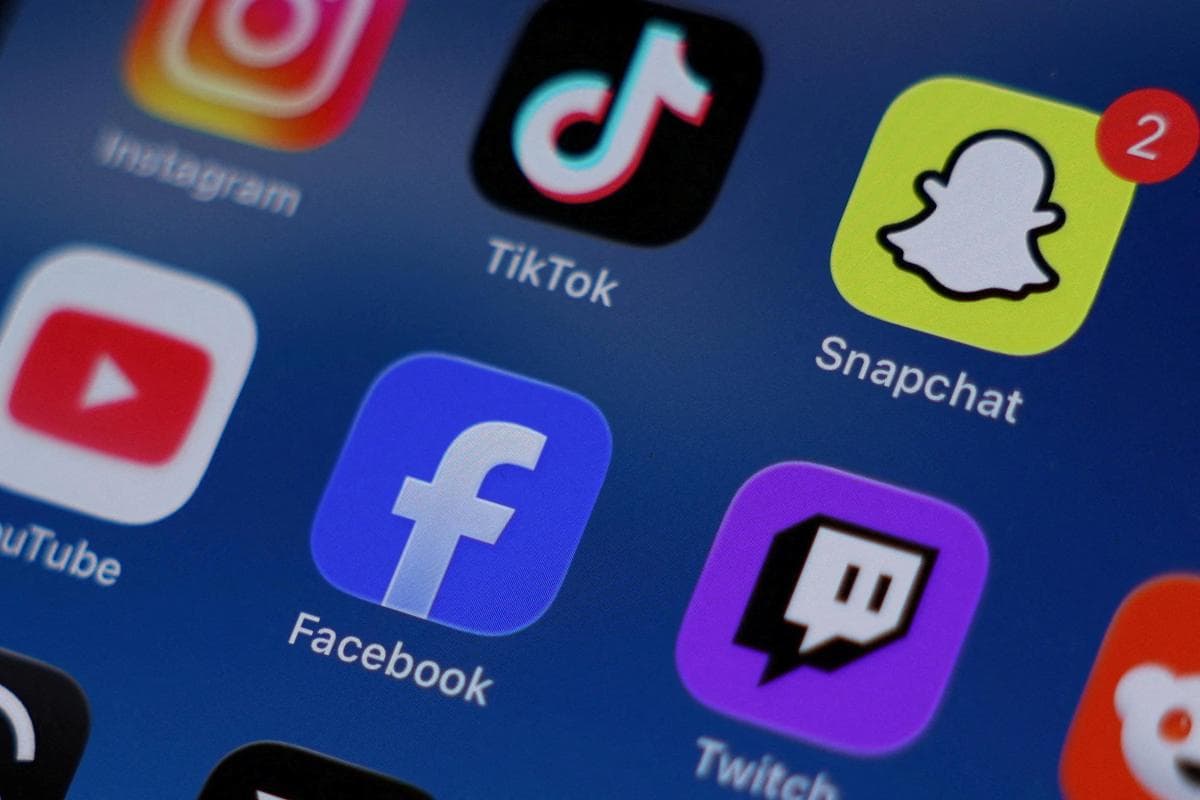
Social media platforms like TikTok and Snapchat remain the primary venues for this harassment, presenting significant challenges for content moderation. While these services maintain community guidelines that explicitly prohibit sexual harassment and the nonconsensual dissemination of manipulated imagery, enforcement is often manual and slow. In several instances, teachers had to rely on their students or colleagues to report the offending accounts, as the victims themselves felt overwhelmed by the technical hurdles of reporting. Platform representatives state that they have established processes to handle such violations and are actively developing tools for privacy and safety. However, the prevalence of these incidents suggests that reporting mechanisms are struggling to keep pace with the ease of AI generation. Even when an account is eventually removed, the content often survives in private group chats or local files, illustrating that content takedowns are only a partial solution to a problem that is fundamentally driven by user behavior and accessible technology.
Professional and Long-Term Implications
The ripple effects of these AI-generated attacks extend far beyond the immediate removal of a post, fundamentally altering the relationship between educators and their students. Teachers who previously prided themselves on being mentors and supportive figures for their students are now bracing for the next wave of potential harassment. Some educators have reported that the normalization of this behavior is becoming widespread, with students frequently warning them about new accounts or videos before the teachers themselves have even seen them. This environment of persistent threat has forced a reassessment of personal digital footprints, with many teachers feeling the need to scrub their online presence to avoid giving potential bad actors material for future deepfakes. Furthermore, as teachers become disillusioned by the lack of institutional control and the ongoing risks to their reputation and mental health, schools may face significant challenges in retaining qualified staff who no longer feel that their professional environments are secure or supportive.
⚖ The Balanced View
Supporting view
Platforms claim they are actively developing tools and maintaining policies designed to handle AI-manipulated content and protect community members from harassment.
Concerns & criticism
Teachers argue that current school disciplinary procedures are inadequate to handle the unique, rapid, and often private nature of AI-generated smear campaigns.
→What's next
Educators are likely to continue pressing for clearer district-level policies regarding AI-based harassment and teacher protections. Legal advocates suggest that as awareness grows, the focus may shift toward stricter enforcement of federal regulations like the Take It Down Act to deter students from weaponizing generative tools.