
Chinese government agencies have been directed to replace Windows 10 China Government Edition with domestic Linux operating systems. This move is part of an ongoing strategy to reduce reliance on foreign technology and enhance national digital sovereignty.
The Mandate for Digital Sovereignty
The Chinese government has initiated a transition away from Microsoft Windows in favor of domestic Linux distributions for select government agencies. According to reporting from Bloomberg attributed to the Ministry of State Security, this decision is primarily motivated by a lack of trust in American technology companies. By shifting to homegrown alternatives, China aims to bolster its digital sovereignty, effectively isolating its internal state infrastructure from dependencies on foreign vendors. This directive continues a long-standing pattern of replacing international software and hardware in sensitive systems with domestic, open-source solutions. While official statements cited general data security concerns, Microsoft has publicly maintained that it is unaware of any specific security incidents associated with its government-edition software, noting that the platform has continued to receive regular, standard security updates.
Transitioning Away from Windows 10 China Government Edition
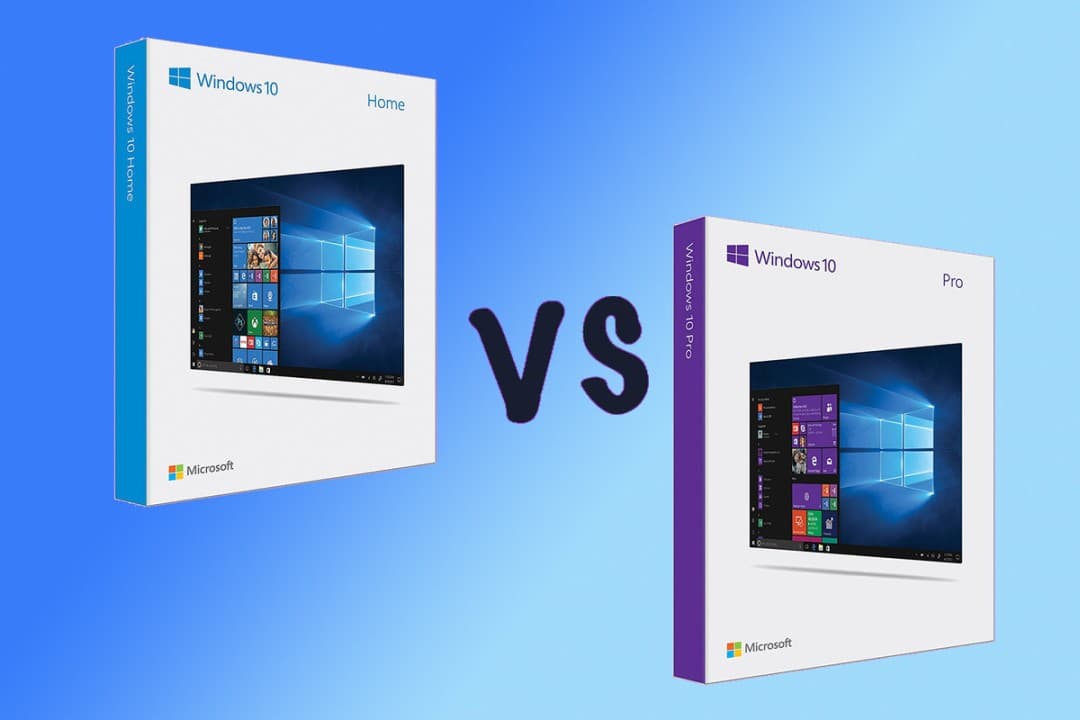
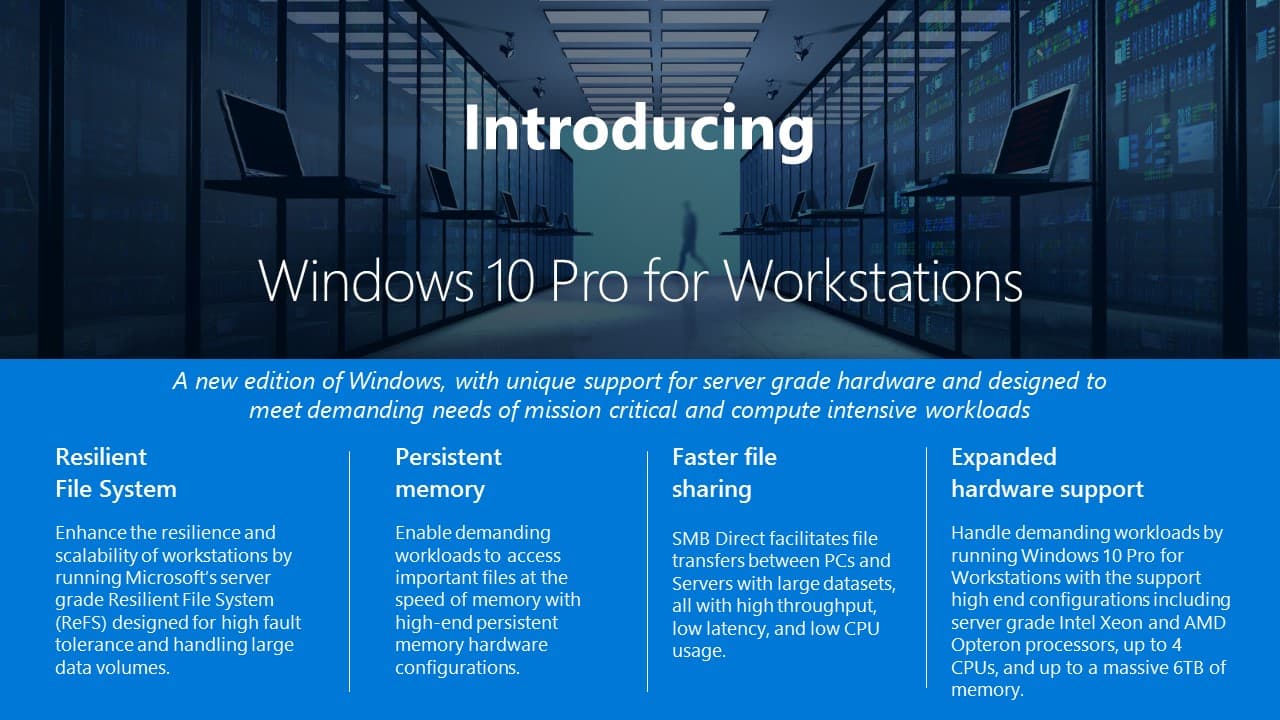
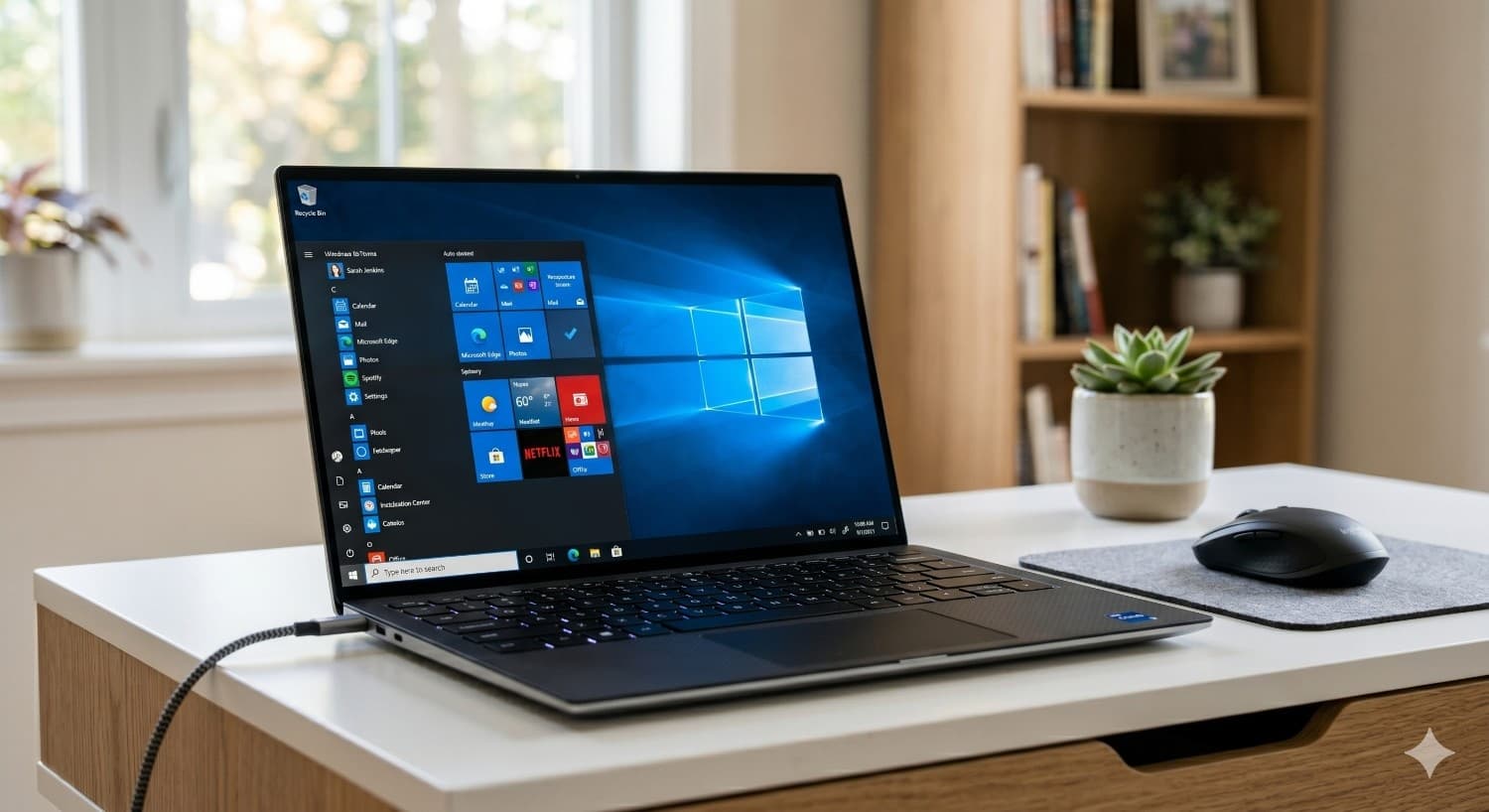
The software currently being phased out is the Windows 10 China Government Edition, a specialized version of the operating system created through a 2016 joint venture between Microsoft and the state-owned China Electronics Technology Group. This version was uniquely tailored to comply with strict government requirements, including localized activation processes, the integration of Chinese cryptographic standards, and the removal of certain consumer-focused services. Originally, this edition of Windows was slated for retirement in February 2027. However, under the new administrative directive, the end-of-life timeline has been accelerated to late 2026. This shortening of the lifecycle emphasizes the urgency with which government bodies are being pressured to adopt local alternatives, though it is important to note that the policy does not constitute a total nationwide ban on all Microsoft products; for instance, Windows Home China 11 remains available for use.
Leading Linux Contenders in the Domestic Market
While the government has not explicitly dictated which Linux distributions must be used, market activity suggests that Kylin OS and UnionTech OS (UOS) are the primary frontrunners. Following the report, the share prices of these companies rose significantly. Kylin OS and UOS are currently the most mature platforms capable of supporting institutional and critical infrastructure workloads. Kylin Software offers a commercial line of desktop and server products, along with a free, open-source version known as openKylin. Meanwhile, UnionTech’s UOS is built upon a foundation rooted in the Debian Linux family and the Deepin desktop environment. While other options like Huawei's HarmonyOS are being developed for potential desktop use, they are currently viewed as immature for immediate, widespread deployment. Both Kylin and UOS have established their reputations by focusing specifically on government and enterprise markets rather than targeting consumer PC sales.
Operational Challenges of Migration
Migrating a massive, centralized desktop stack from Windows to a Linux-based environment presents significant technical and logistical hurdles. Simply swapping the desktop interface is insufficient, as the transition requires a comprehensive overhaul of existing institutional workflows. Agencies must undertake extensive application testing, validate hardware drivers and peripheral compatibility, and integrate new identity management systems. Furthermore, document-format interoperability poses a major concern, as does the critical need to adapt or replace legacy line-of-business software that was originally built specifically for the Windows architecture. Additionally, staff will require extensive retraining to operate effectively in a new software environment. While the lack of detailed public transition plans makes the path forward opaque, the reported speed of the mandate suggests that China’s centralized IT management infrastructure may already have preliminary systems in place to mitigate these complex migration challenges.
⚖ The Balanced View
Supporting view
Proponents of the shift emphasize the necessity of digital sovereignty and the need to protect sensitive government systems from potential vulnerabilities in foreign-controlled software.
Concerns & criticism
Transitioning to a new operating system poses significant operational risks, including the potential for incompatibility with legacy line-of-business applications and the need for costly, time-intensive staff retraining.
→What's next
The government is expected to complete the migration of its affected agencies by the end of 2026 as the specialized version of Windows 10 reaches its shortened end-of-life date. Industry analysts will be watching closely to see how effectively domestic Linux distributions handle the complex demands of institutional administrative environments.