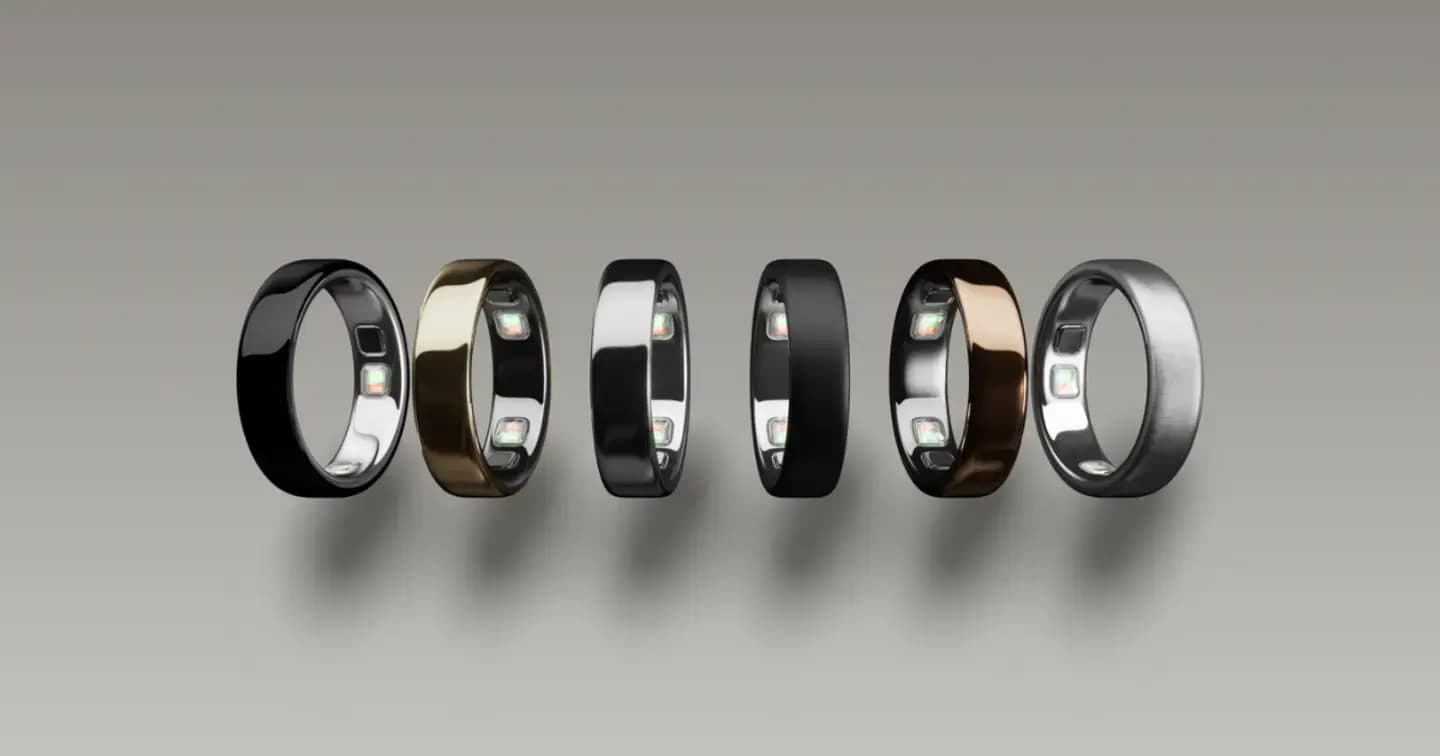

Oura, the manufacturer of the popular smart ring, is reportedly planning a U.S. IPO for next month seeking a valuation exceeding $16 billion. This move follows a period of rapid growth for the company, though it now faces a new class action lawsuit questioning the medical accuracy of its sleep tracking technology.
IPO Details and Financial Growth
Oura, headquartered in San Francisco and Finland, is preparing to launch a public offering in the United States as early as September 2026. The company, which maintains a workforce of over 900 employees, is reportedly aiming to raise approximately $3 billion in capital. Financial reports indicate a dramatic trajectory in revenue, with the firm citing $500 million in 2024 earnings, followed by roughly $1 billion in 2025. Projections for 2026 suggest revenue could climb to near $2 billion. If the $16 billion valuation target is realized, it will represent a substantial increase from the $10.9 billion valuation the company reached during its Series E funding round last September. Investors for that round included notable names such as Fidelity, ICONIQ, and Temasek.
Market Positioning and Competition
The market for wearable health technology has become increasingly saturated, forcing companies like Oura to differentiate themselves. Once primarily associated with a niche demographic of biohacking-focused executives, Oura has shifted its branding toward a broader consumer base interested in general sleep and recovery metrics. This strategic pivot mirrors that of its competitor, Whoop, a fitness band manufacturer that recently hit a $10 billion valuation after expanding into specialized health tracking, including hormone and thyroid monitoring. Other major tech players have also entered the arena; notably, Samsung launched its Galaxy Ring two years ago, significantly intensifying the competition for smart ring market share. Oura's ability to maintain its growth trajectory in this crowded landscape remains a key point of interest for prospective public investors.
Legal Challenges Regarding Accuracy
Oura currently faces a class action lawsuit filed in San Francisco that challenges the validity of its product's sleep-tracking features. The plaintiffs argue that the company misleads consumers by claiming it can identify precise sleep stages—a capability the lawsuit contends is impossible without clinical-grade equipment like scalp electrodes and eye sensors found in sleep labs. In response to these allegations, an Oura spokesperson issued a formal statement affirming that the Oura Ring is not intended as a medical device or a replacement for clinical studies. The company insists that its sleep-staging technology has been validated through multiple third-party, independent studies and that it compares favorably to polysomnography, which serves as the medical industry's gold standard for sleep analysis.
⚖ The Balanced View
Supporting view
The company maintains that its technology is supported by independent research and has been validated against clinical-standard polysomnography to provide accurate consumer-level insights.
Concerns & criticism
A recent class action lawsuit alleges that Oura misleads users by suggesting its smart ring can perform medical-grade sleep staging that typically requires clinical setting equipment.
→What's next
Interested parties and prospective investors will likely gain a clearer picture of the company's financial health and operational strategies once the formal S-1 filing is made available to the public. The market will monitor whether the reported legal challenges impact the final terms or reception of the upcoming IPO.