
Chris Malone, OpenAI's head of data centers, has left the company as part of an ongoing wave of senior leadership departures. This exit occurs during a period of organizational restructuring as OpenAI prepares for a public offering.
The Departure of Chris Malone
OpenAI confirmed that Chris Malone, the executive in charge of its data center strategy, left the company last week. Malone joined OpenAI in March 2025, bringing extensive experience from long tenures at Google and Meta. His exit follows a significant period of internal reorganization within the company's infrastructure division. Following the restructuring, Malone ceased reporting to OpenAI president Greg Brockman and began reporting to vice president Sachin Katti, who has assumed oversight of the group. OpenAI maintains that the infrastructure team remains well-positioned to meet its operational goals, citing a deep bench of experienced leaders including Uday Ruddarraju, Brent Mayo, and Spas Lazarov, who currently manage various aspects of data center buildouts and engineering.
Context of Institutional Turnover
Malone’s departure is part of a broader trend of significant executive turnover at OpenAI throughout 2026, with estimates suggesting at least 13 senior-level exits this year. This series of resignations has touched multiple critical departments. Recent departures include chief revenue officer Denise Dresser, who left after an eight-month tenure, and long-standing chief operating officer Brad Lightcap. Additionally, Fidji Simo, the product and business chief, stepped down to manage a chronic illness, though she remains in an advisory capacity. The company has also seen exits from its safety and ethics departments, most notably the loss of head of ethics Chloé Bakalar and the dissolution of the internal preparedness team, which had been responsible for evaluating potential catastrophic risks associated with new AI models.
Strategic Infrastructure and Political Hurdles
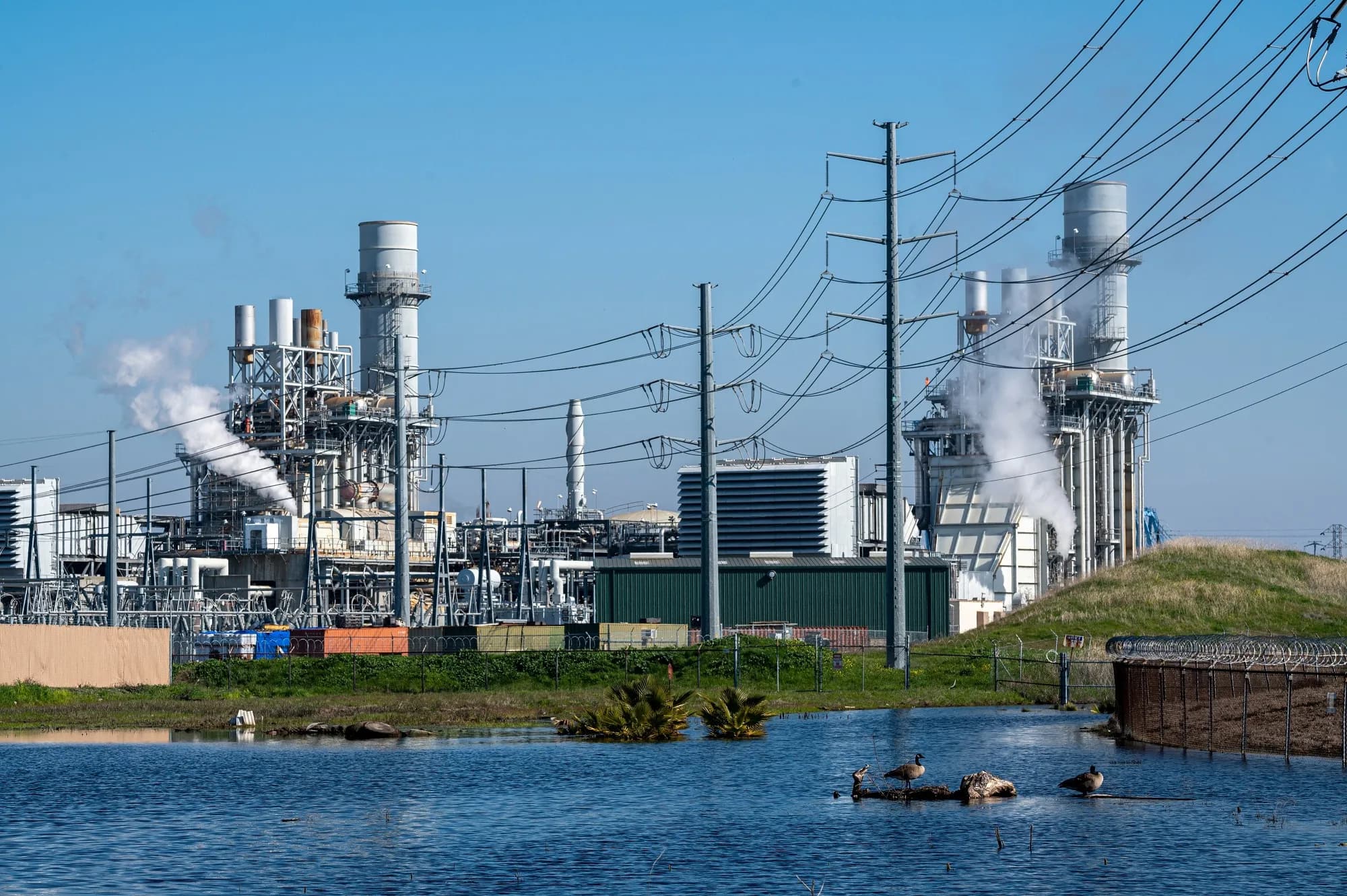
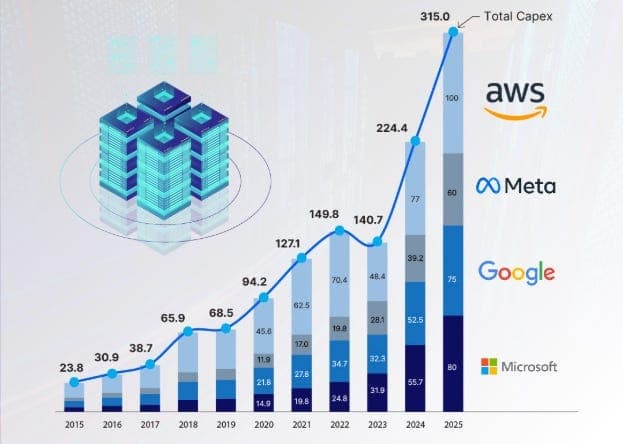
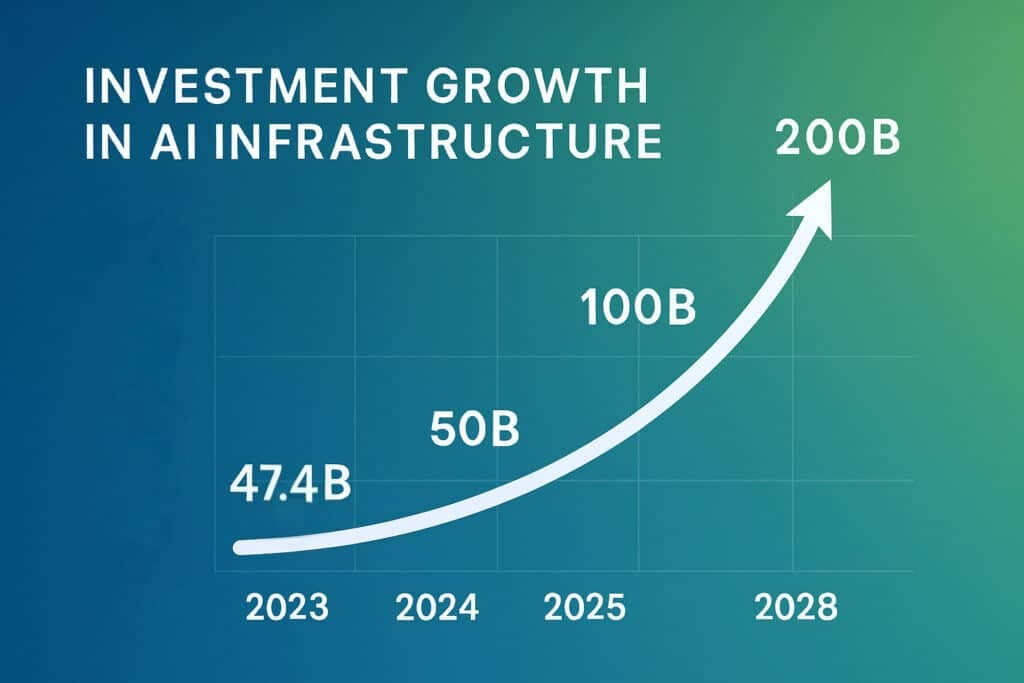
The timing of Malone’s exit is particularly sensitive given the scale of OpenAI's infrastructure ambitions. The company reportedly aims to spend approximately $600 billion on computing power by 2030. These efforts are closely tied to the Stargate Project, a massive U.S.-based data center initiative involving major industry partners like Microsoft, Oracle, Nvidia, and SoftBank. However, the expansion of data centers has become a contentious political issue. A memo from the National Republican Senatorial Committee recently identified data center development as a potential 'sleeper issue' for the upcoming midterm elections, reflecting growing public and political backlash against the resource-intensive nature of these facilities.
Company Response and Market Outlook
OpenAI leadership has publicly downplayed the significance of the talent flight. President Greg Brockman stated that the scrutiny applied to the company is a natural result of being in the industry spotlight, suggesting that the rate of turnover is not atypical for an organization of its profile. Despite this, the departures have fueled investor concerns regarding the company’s stability as it moves toward an IPO. While the firm confidentially filed its prospectus with the SEC in June, its public debut has been delayed until 2027. Investors remain cautious, with some questioning whether the company’s current profitability can justify its $852 billion valuation, especially as it pours massive capital into infrastructure and navigates a period of significant internal change.
⚖ The Balanced View
Supporting view
OpenAI leadership, including co-founder Greg Brockman, maintains that departures are a standard occurrence for a high-profile company and that the internal team remains deeply experienced and capable of executing long-term infrastructure plans.
Concerns & criticism
Industry observers and investors have expressed unease over the volume of senior-level exits, specifically questioning if the company’s leadership instability and massive capital expenditures match its high market valuation ahead of the planned 2027 public listing.
→What's next
OpenAI continues its push toward a public stock market debut, with current guidance from leadership pointing to 2027. The company is expected to continue its aggressive compute infrastructure rollout despite the ongoing leadership transitions and mounting political scrutiny surrounding data center usage.