
Bitcoin prices reached their highest point since June following a concerted push by President Donald Trump and major industry CEOs to pass the Clarity Act. The rally was further fueled by a significant market correction involving the liquidation of billions in short positions.
Market Rally and Investor Sentiment
The cryptocurrency market experienced a substantial rebound this week, with Bitcoin climbing to its highest valuation since June 1. After trading near the $63,000 mark early in the week, the asset saw a dramatic 12% rise over a two-day period, settling at $72,383.99. This upward momentum was mirrored in the broader crypto stock sector, where firms such as Coinbase, Circle, and Strategy saw their values increase by roughly 7% each. The rally was initially ignited by a decline in Treasury yields, which reduced the pressure on risk-oriented assets. This favorable macroeconomic environment facilitated a massive short squeeze, resulting in approximately $2.7 billion in liquidated short positions. While this represents a significant recovery, it is worth noting that the current price of Bitcoin remains roughly 40% below the peak of approximately $126,000 recorded in October 2025.
The White House Legislative Push
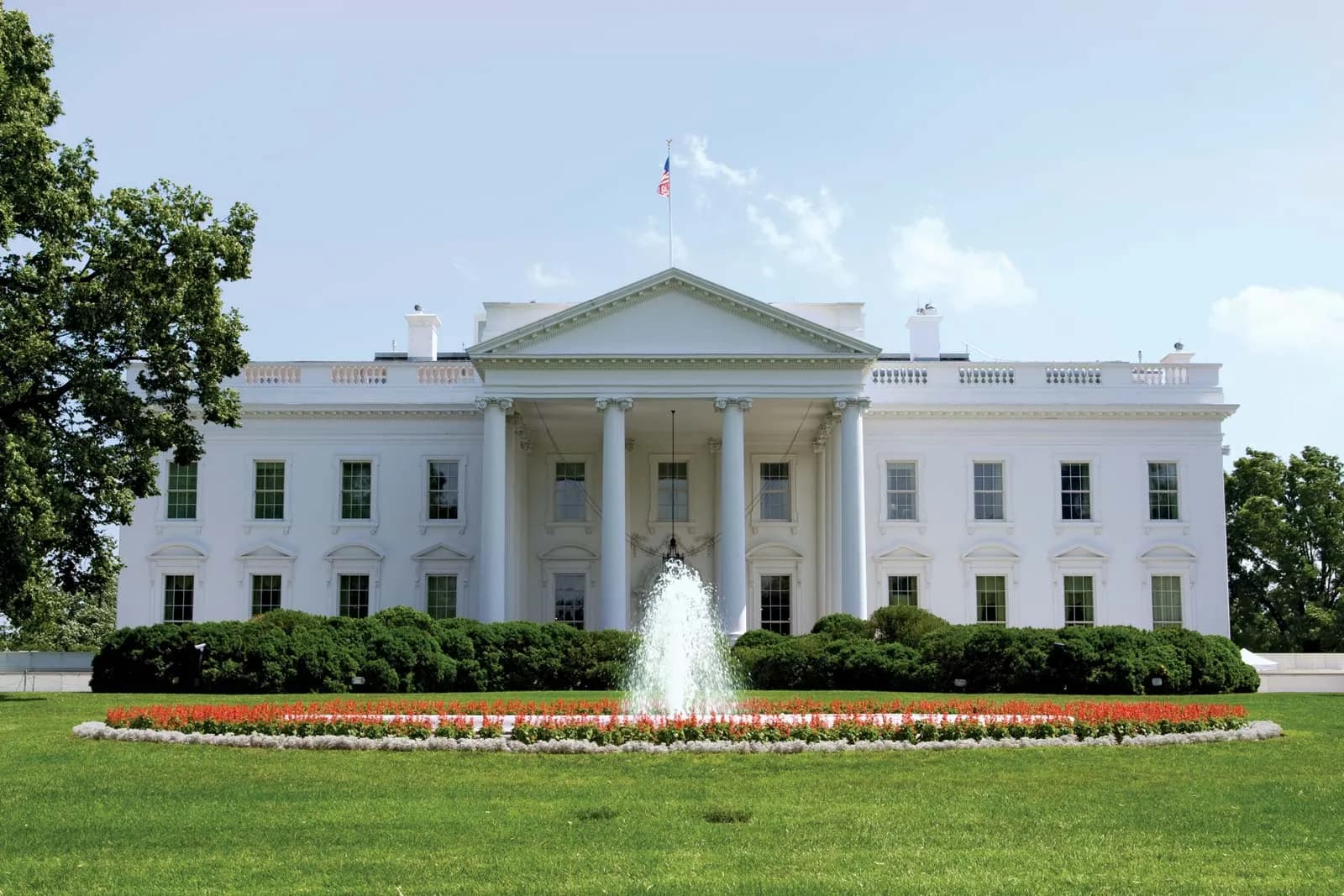
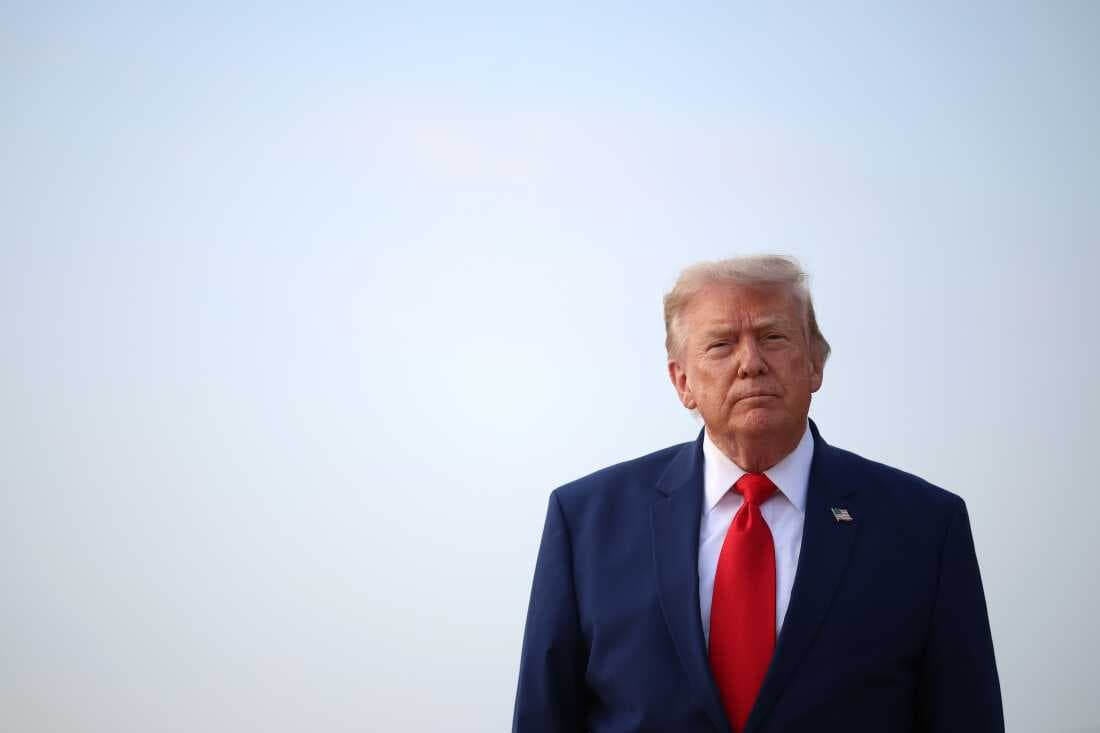
In a strategic effort to revive stalled regulatory progress, the White House convened a meeting with the leadership of major cryptocurrency firms, including executives from Coinbase, Ripple, Kraken, Robinhood, and ChainLink. During this assembly, President Donald Trump emphasized the necessity of passing a 'fair version' of the Clarity Act before the conclusion of the year. Trump positioned the legislation as a vital tool for maintaining American competitiveness, suggesting that the bill would ensure the United States remains ahead of rivals like China while fostering a new wave of innovation. This meeting occurred just before the Commodity Futures Trading Commission's inaugural Innovation Advisory Committee session, highlighting a coordinated effort to bring digital asset regulation to the forefront of the administration's policy agenda.
Regulatory Hurdles and Political Disagreements
Despite the momentum from the White House, the path forward for the Clarity Act remains complicated by persistent political friction. Negotiations have stalled due to a fundamental disagreement over ethics provisions. Democratic legislators have advocated for stringent rules that would prohibit public officials, including the president, from personally profiting from cryptocurrency investments. In contrast, Republican lawmakers have opposed these requirements, characterizing them as overly restrictive or unfairly targeted. This legislative deadlock had led many investors to conclude that the bill was effectively dead for the 2026 session, particularly after the Senate entered its August recess without taking a vote. The success of the legislation is now seen as contingent upon clearing a procedural hurdle in the Senate scheduled for mid-September, with time rapidly running out as political focus shifts toward the upcoming midterm elections.
Contextualizing the Crypto Winter
For many market participants, the potential passage of the Clarity Act is viewed as the primary catalyst required to officially conclude the 'crypto winter' that has persisted since late 2025. The period has been defined by market stagnation and regulatory uncertainty, which discouraged broad institutional adoption. By establishing a clear market structure, proponents argue the Clarity Act would provide the necessary legal framework to stabilize the industry and encourage sustained growth. However, the legislative window is narrow. Should the bill fail to navigate the Senate's procedural processes in September, the likelihood of its approval before the end of the year diminishes significantly, as other legislative priorities are expected to dominate the congressional calendar in the final months of the year.
⚖ The Balanced View
Supporting view
Supporters, including President Trump and industry CEOs, argue that the Clarity Act is essential to ensure the U.S. maintains a competitive edge in innovation against global rivals like China.
Concerns & criticism
Democratic lawmakers express concerns regarding potential conflicts of interest, insisting on ethics rules to prevent public officials from financially benefiting from their roles in crypto policy-making.
→What's next
The immediate future of the legislation depends on the outcome of a key procedural vote in the Senate scheduled for September 15. If the bill fails to pass this hurdle, it is expected to face significant challenges in receiving a floor vote before the midterm election cycle takes precedence.